
What’s the Ideal Size for a Custom Home?
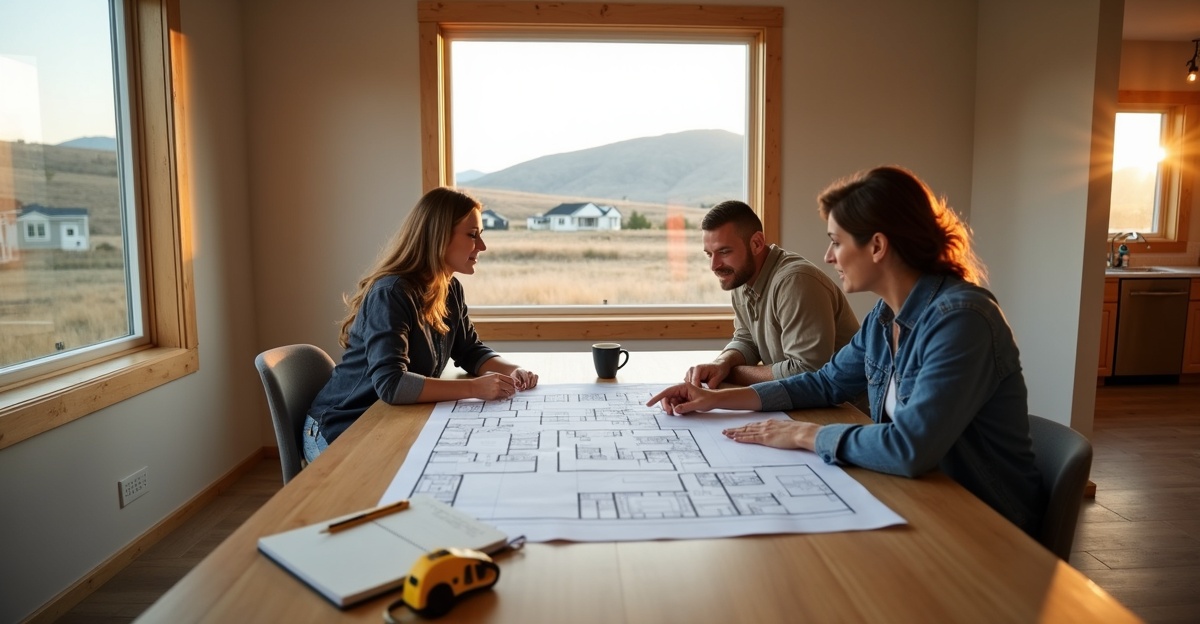
We approach square footage with strategy, not guesswork. This custom home square footage guide explains that no single ideal size fits every project, especially in markets like Idaho Falls where lot limits, neighborhood expectations, and build costs influence each decision. We find that the right square footage depends on lifestyle, budget, long-term plans, and layout efficiency—not national averages or pressure to build bigger.
Key Takeaways
- There is no universal ideal square footage; the right size depends on lifestyle, budget, land constraints, and five- to ten-year plans.
- In Idaho Falls, typical ranges run from 1,600–1,800 square feet for efficiency-focused households to 2,800+ square feet for larger lots or multigenerational living.
- Layout efficiency often delivers more value than added square footage, which reduces wasted space and lowers long-term utility and maintenance costs.
- Cost per square foot varies based on scope, site conditions, finishes, and structural complexity, so we avoid comparing it without context.
- Clear priorities—bedroom count, must-have spaces, budget range, and lot requirements—help define a realistic square footage range before we begin design.
Start With the Right Frame: There Is No “Ideal” Square Footage
There is no single ideal square footage for a custom home. The right size depends on lifestyle, budget, land constraints, and long-term plans.
This custom home square footage guide is meant to move us from “how big should I build my house” to a realistic range that fits how we actually live. National averages don’t tell the full story, especially when building a home in Idaho Falls. Lot layouts, neighborhood standards, and local construction costs shape what makes sense here.
Most homeowners want practical guidance, not pressure to build bigger. We agree. A larger home isn’t automatically better. Square footage affects cost, efficiency, upkeep, and long-term resale. Every increase in size influences construction budget, utility bills, and maintenance time.
The core trade-off stays the same: home size vs cost to build, efficiency, and long-term value all move together. The goal isn’t maximizing square footage. It’s finding the right range that supports daily life without adding unnecessary expense.
Square Footage Ranges Common in Idaho Falls
In Idaho Falls, we see several common size ranges. These are observations, not prescriptions.
Homes between 1,600 and 1,800 square feet often work well for downsizers, retirees, or smaller families who prioritize efficiency. Smart floor plans in this range can still offer three bedrooms and open living areas without wasted space.
The 2,000 to 2,500 square foot range is common for growing families. This size typically allows for three to four bedrooms, a functional mudroom, and flexible living space. It balances comfort and cost for many households.
Once homes reach 2,800 square feet and above, we’re often working with larger lots, multigenerational living needs, or higher levels of customization. These projects may include bonus rooms, expanded garages, or dedicated hobby areas.
State housing data on average home sizes in Idaho provides context, but local variation matters more than statewide or national numbers. Subdivision covenants can set minimum square footage. Lot width can limit footprint. Neighborhood standards may influence design and exterior scale.
For duplexes, townhomes, and small multifamily projects, total building size matters less than unit efficiency. In multifamily construction, rental demand, layout efficiency, and return per unit usually drive decisions more than headline square footage.
Lifestyle and Life Stage: Defining the Right Size Home for Your Family
The right size home for our family starts with honest planning.
Family size and age mix make a difference. Young children typically share spaces easily. Teenagers often need more separation. Empty nesters may not want unused bedrooms. Multigenerational households may need private suites and separate living areas.
Lifestyle fills in the gaps. A home office, hobby room, workshop, or fitness space adds square footage quickly. Frequent hosting may justify a larger dining area or guest suite. Infrequent entertaining rarely supports an oversized formal living room.
We consistently see two common patterns. Many homeowners overestimate how many rooms they’ll actively use. At the same time, they underestimate storage needs. Closets, pantries, and mudrooms often deliver more daily value than an extra bedroom.
Five- to ten-year plans should guide decisions. A career change, aging parents, or plans to age in place can shift space needs. If resale within a decade is likely, building far above neighborhood norms may limit future value.
Careful custom home planning helps define a range before drawings begin. Reviewing the steps to building a new home clarifies how early square footage decisions influence design, engineering, and final cost.
Why Layout Efficiency Often Matters More Than Total Size
Efficient home layout design often delivers better results than simply increasing square footage.
Two homes with identical square footage can feel completely different. One may have long hallways and underused formal rooms. The other may flow naturally, with open living areas and practical storage.
Smart Design Choices That Reduce Waste
Thoughtful layout decisions often eliminate unnecessary area:
- Open-concept living areas that reduce hallways and segmented spaces.
- Multi-use rooms, such as an office that doubles as a guest room.
- Well-planned mudrooms, built-ins, and pantry storage that reduce clutter.
- Strategic bedroom placement that balances privacy with efficient circulation.
These adjustments can remove hundreds of square feet without sacrificing comfort.
Oversizing “just to be safe” often creates rooms that stay unused. According to the U.S. Department of Energy’s guidance on home heating and cooling costs, larger homes cost more to heat, cool, clean, and maintain. Over time, those costs add up. A right-sized plan supported by strong structural framing delivers long-term value without unnecessary expansion.
Understanding Cost: More Than Just Cost Per Square Foot
Custom home cost per square foot in Idaho is one of the most common questions we hear. It’s also one of the most misunderstood.
Cost per square foot can vary widely depending on what’s included. Some calculations include basements and garages. Others don’t. Site work, excavation, utility connections, and finish levels may or may not be reflected in that number.
Several factors influence final cost:
- Site conditions and excavation requirements.
- Basement size and finish level.
- Garage configuration.
- Interior finishes and materials.
- Structural complexity and ceiling heights.
Increasing square footage affects total build cost directly. It also increases utility expenses, cleaning time, and long-term maintenance. Idaho property tax assessment guidelines explain that taxes are based on property value, which means property taxes may rise with increased value. Larger homes typically require longer construction timelines.
Home size vs cost to build is not linear. A smaller home with high-end finishes can cost more per square foot than a larger home with standard finishes. Complex rooflines or structural features also shift pricing.
Comparing one builder’s cost per square foot to another’s without understanding scope leads to confusion. A clearer picture comes from reviewing how contractors estimate custom home costs and aligning that information with our own priorities. Broader budgeting discussions, such as those covered in how to budget for a new home build, help set realistic expectations before drawings are finalized.
For clients weighing options, evaluating whether to build a custom home or buy existing also clarifies how square footage and cost interact differently in each path.
A Practical Checklist to Prepare for a Builder Conversation
Before meeting with a builder, narrowing down priorities makes the discussion productive.
We recommend preparing the following:
- Target bedroom and bathroom count.
- Must-have spaces such as an office, bonus room, shop, or covered patio.
- A comfortable budget range and financing plan.
- Lot dimensions and subdivision requirements.
- A realistic 5- to 10-year plan, including resale or rental considerations.
Using this checklist helps define a likely square footage range. That clarity keeps early design conversations focused and efficient.
A first meeting should center on goals, lot constraints, and budget realities. Reviewing what to expect in a custom home consultation can help us arrive prepared with the right questions.
We build homes through our custom home build services in Idaho Falls with a straightforward planning process. Clear conversations early prevent costly changes later.
For practical guidance specific to a lot, budget, and long-term goals, we encourage reaching out directly through our contact page. A brief discussion often brings immediate clarity on the right size home for our family and how to move forward with confidence.
Frequently Asked Questions
A good square footage for a custom home depends on lifestyle, household size, and budget. Many families find that homes between 2,000 and 2,500 square feet provide a balanced mix of comfort and cost efficiency. However, smaller homes around 1,600–1,800 square feet can work well with efficient layouts, while larger homes above 2,800 square feet often support multigenerational living or specialized spaces.
The right size for a custom home starts with identifying essential spaces such as bedrooms, bathrooms, and functional areas like offices or hobby rooms. Consider your family size, daily routines, and plans for the next five to ten years. Evaluating lot constraints and construction budget also helps narrow down a realistic square footage range before starting the design process.
A larger custom home is not always better because increased square footage raises construction costs, utilities, and maintenance. Many homeowners discover that efficient floor plans provide the same functionality without unnecessary space. Prioritizing layout efficiency, storage, and multi-purpose rooms often delivers greater comfort and long-term value than simply building a bigger house.
Layout efficiency matters because it determines how usable the space actually feels. Two homes with the same square footage can feel very different depending on hallway length, room placement, and storage design. Efficient layouts reduce wasted space, improve daily flow, and can eliminate the need for extra square footage while maintaining comfort and functionality.
Square footage directly affects the total cost of building a custom home because larger homes require more materials, labor, and construction time. However, cost per square foot varies widely depending on finishes, structural complexity, site conditions, and included spaces like garages or basements. A smaller home with high-end finishes may cost more per square foot than a larger home with standard materials.