
How Much Input Do I Have in Custom Home Design?
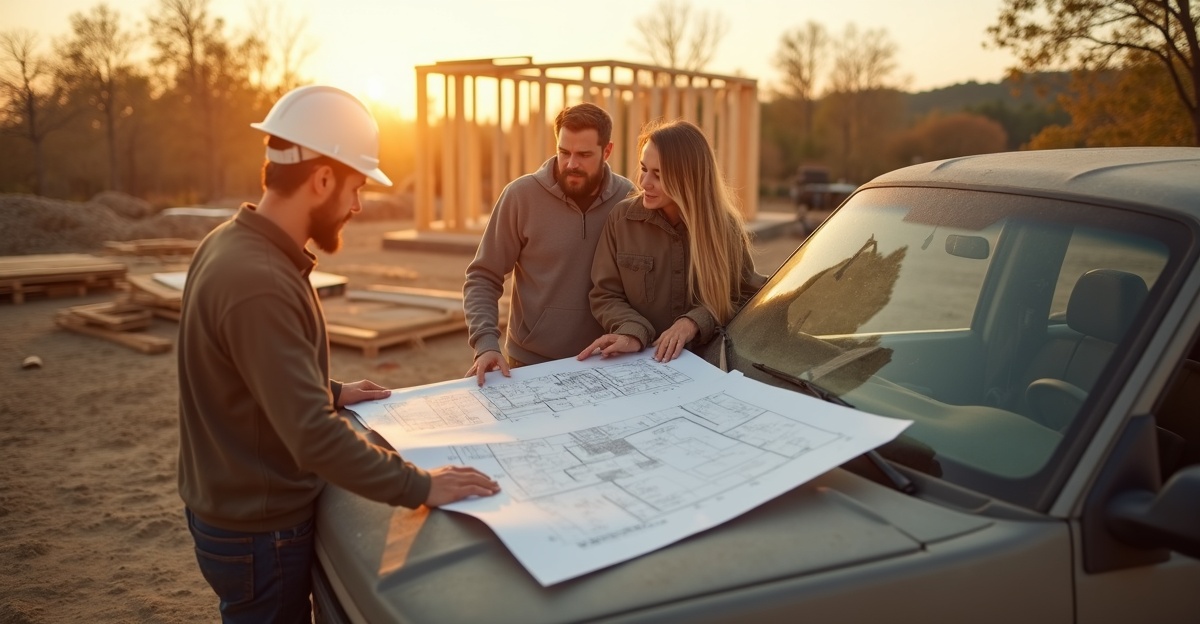
Homeowner input in custom design goes far beyond picking finishes. We shape the layout, set budget priorities, guide site planning, and define how the home works each day. In a structured custom build process, we lead the vision and major decisions while our builder evaluates feasibility, code compliance, engineering needs, and cost impact within clear boundaries.
Key Takeaways
- We direct the overall vision, floor plan adjustments, style preferences, and priority features early in the design process.
- We set a clear budget range and define must-have features upfront to reduce redesign and control costs.
- Structural engineering, local building codes, zoning requirements, and lot conditions create real limits on design freedom.
- A phased design-build process records decisions, aligns scope with budget, and prevents confusion during construction.
- We require written approval for changes during construction so the team addresses cost and schedule impacts before proceeding.
What “Homeowner Input” Really Means in a Custom Build
Homeowner input in custom design covers far more than picking paint colors. It includes layout decisions, floor plan adjustments, exterior style, materials, fixtures, energy features, site planning, and budget priorities.
In a true custom build, we expect clients to guide the vision. That means defining how the home functions day to day, how it looks from the street, and which features matter most. The client role in home design is active and ongoing, especially in the early custom home planning steps.
Control in a custom home is substantial, but it isn’t unlimited. Structural requirements, building codes, lot constraints, and budget all shape what’s possible. We help translate ideas into something that can be engineered, permitted, and built safely.
So how much control do we have in building a custom home? We lead the vision, aesthetics, functionality, and priorities. As the builder, we guide feasibility, cost implications, and compliance. The custom home design process is structured and documented. It isn’t improvised or decided on the fly.
Clients who want to understand what makes a project truly custom can explore what makes a project custom. Clear expectations at the start prevent confusion later.
Where We Lead the Direction: Vision, Layout, and Priorities
The greatest influence happens early. During the first round of discussions, we define the purpose of the project. That might be a primary residence, a second home, a townhome, or a small apartment development. We set a square footage range and outline how the space needs to function.
Style direction comes directly from us as homeowners. We choose between modern farmhouse, craftsman, mountain contemporary, or another look. Lifestyle priorities also begin here. That could include a dedicated home office, aging-in-place features, rental flexibility, or workshop space.
During concept and preliminary layout, we actively review and revise floor plans. We adjust room sizes. We refine traffic flow. We look at window placement and storage. We decide whether we want open living areas or more defined rooms. This stage shapes how the home actually lives.
Budget alignment plays a central role. We set the overall investment range and rank must-haves versus optional upgrades. Realistic budget considerations in custom homes depend on materials, labor costs, and local market conditions in Idaho. Early decisions have the biggest impact on controlling costs in the custom home design process.
Anyone comparing options should also review build custom or buy existing to clarify goals. For a detailed breakdown of pricing factors, see how much it costs to build.
Clear, early input streamlines the custom home planning steps and reduces redesign later.
Where Professional Structure and Limits Apply
Freedom in design operates within physical and legal boundaries. In Idaho Falls, structural engineering must account for snow loads, frost depth, and wind exposure. Foundation systems and framing plans reflect those realities. We can’t ignore them for aesthetic reasons.
Building codes and permitting requirements also shape decisions. Idaho residential energy codes set insulation and efficiency standards for new home construction. Local zoning establishes setbacks, height limits, and lot coverage. Egress and life-safety requirements dictate certain window and stair dimensions in residential construction. These standards protect occupants and property value.
The lot itself introduces limits. Grading challenges affect foundation design. Drainage requirements influence elevation and landscaping. Utility access can affect layout. These factors often shape the home before a single finish is selected.
Cost and feasibility also matter. Material availability and construction supply lead times can limit certain building selections. Labor capacity in the Idaho Falls market affects scheduling. Good collaboration means clear guidance, not control being taken away.
Many hesitate because they fear losing control of the design or facing unexpected cost increases. Some worry about being pressured into choices. A structured process addresses those concerns. We don’t promise complete freedom without constraints. We offer informed decisions within real boundaries.
How the Design-Build Process Structures Collaboration
A clear process keeps projects on track. Our approach to custom home building follows defined phases, each with specific responsibilities.
Initial vision and feasibility discussions focus on goals, budget range, and property conditions. We as homeowners outline expectations. The builder provides feedback on practicality and order-of-magnitude costs.
Budget alignment and scope definition turn ideas into a working framework. We confirm square footage targets and key features. The contractor identifies potential cost drivers and suggests adjustments where needed.
Concept and preliminary layout follow. We review plans, request revisions, and approve a direction. Structural and cost considerations are flagged early.
Design development includes detailed selections. We choose finishes, fixtures, cabinetry styles, exterior materials, and energy options. Allowances are documented. Engineers complete structural calculations and required mechanical, electrical, and plumbing plans.
Engineering, permitting, and compliance come next. The contractor manages submissions and revisions required by the city or county. We review final construction drawings before work begins.
Pre-construction planning locks in budgets and schedules. Written scopes of work outline what’s included. Budget updates reflect final plans. A clear change order process is established.
Construction includes ongoing communication. Some field decisions still arise. We clarify minor details while major changes follow a documented approval process.
Throughout the phases, communication protects both vision and investment. We rely on scheduled design meetings, written scopes, selection sheets, regular budget updates, and signed change orders before additional work proceeds. Anyone preparing for that first meeting can review what to expect in a consultation.
Working with an experienced Idaho Falls contractor involves documented decisions before construction starts. That reduces surprises and protects everyone involved.
Clarifying Roles: Who Makes Which Decisions
Clear roles prevent conflict and keep progress steady. In an Idaho Falls custom home builder relationship, responsibilities break down in practical ways.
Decision Responsibilities at a Glance
Here’s how roles typically divide on a custom project:
- Homeowner: Defines the vision, approves plans, selects finishes, and authorizes budget changes.
- General contractor: Oversees schedule, tracks budget, coordinates subcontractors, and manages quality control. Advises on constructability and cost implications.
- Architect or designer: Translates ideas into scaled drawings and elevations. Aligns aesthetics with structural needs.
- Engineers: Provide structural calculations for snow loads and foundation design. Complete mechanical, electrical, and plumbing designs where required.
- Subcontractors: Perform specialized work under contractor supervision.
Collaborating with architect and contractor early reduces redesign and disputes. Bringing everyone into the conversation during the custom home planning steps strengthens clarity and keeps the client role in home design central.
Clients evaluating partners should review what to look for in a custom home builder before committing.
Managing Changes, Costs, and Expectations During Construction
Homeowner input continues during construction, but it becomes more structured. Once framing, mechanical, and finish stages are underway, late changes carry greater impact.
Adjusting a cabinet layout after installation may require material replacement and added labor. Moving a window can involve structural changes and revised inspections. Each change can affect both budget and timeline.
A clear change order process protects the project:
- Document the proposed change in writing.
- Outline the cost adjustment and any credit or added expense.
- Explain the schedule impact before approval.
Work only proceeds after written authorization.
Steady communication reduces the risk of unexpected cost increases. Regular budget reviews keep spending aligned with priorities. This approach applies whether the project is a primary residence, a second home, or a small development under our multifamily construction services.
The right structure keeps homeowner input in custom design strong from concept through completion. For those ready to outline goals and property details, the next step is to schedule a planning consultation and review the custom home design process with an experienced Idaho Falls builder.
Frequently Asked Questions
Homeowners have significant control over the vision, layout, and major features of a custom home. They typically decide the floor plan direction, room functions, architectural style, and priority upgrades. Builders and designers then guide feasibility, structural requirements, and budget alignment. While homeowners shape how the home looks and functions, engineering standards, building codes, and site conditions ultimately determine what can be built safely.
Homeowners usually guide key design choices such as floor plan adjustments, exterior style, materials, finishes, and lifestyle features. They also set the overall budget range and prioritize must-have elements early in planning. These decisions help the design team create plans that match the homeowner’s goals. Builders and architects then refine those ideas into construction drawings that meet code, engineering, and cost requirements.
Yes, homeowners can request changes during construction, but modifications become more complex once building has begun. Late adjustments may require additional labor, new materials, or structural revisions, which can increase costs and extend timelines. Most builders manage these updates through a formal change order process so homeowners can review the price and schedule impact before approving the modification.
Several factors limit complete design freedom in custom home projects. Local building codes, zoning regulations, and engineering requirements dictate certain structural and safety standards. Site conditions such as slope, soil stability, drainage, and utility access also influence design possibilities. Budget constraints and material availability can further shape decisions, ensuring the final home remains practical, safe, and financially realistic.
Homeowner input should begin at the earliest planning stage of a custom build. Initial discussions about lifestyle needs, preferred layout, architectural style, and budget priorities guide the entire design direction. Early involvement helps architects and builders create plans that match expectations while avoiding costly redesigns later. Clear input during concept development typically leads to smoother design approval and more predictable construction costs.