
What’s the Cost to Frame a House?
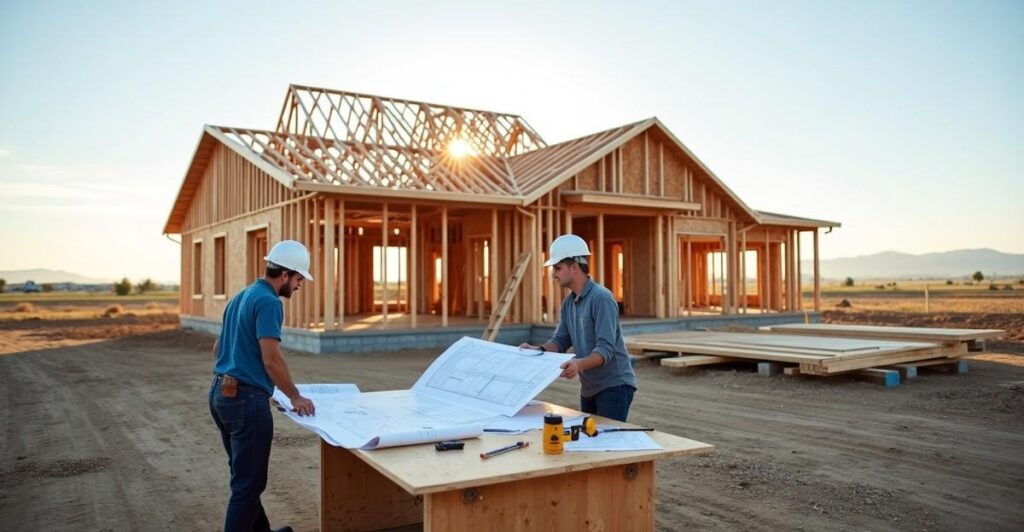
The cost to frame a house usually ranges from $7 to $16 per square foot for labor and materials. For a 2,000-square-foot home, the framing cost often falls between $14,000 and $32,000. In many projects, the total cost to frame a house can reach $40,000 to $45,000, since framing is often the most expensive stage of construction. The final price can change based on the home’s design, build complexity, and current lumber prices.
Homeowners planning a new build should understand the cost to frame a house before starting construction. At Curt Wells Construction, experienced builders help clients plan framing costs clearly so projects stay on budget and on schedule.
Average Cost to Frame a House
The average cost to frame a house can vary based on the size and design of the home. Most homeowners spend $7 to $16 per square foot for framing work. This price often includes both labor and basic materials.
For example, a 2,000-square-foot home may cost around $14,000 to $32,000 or more for the framing stage. Larger homes or complex designs may cost more. Simple layouts often cost less because they take less time and fewer materials.
What Framing Includes
Framing forms the main structure of the home. It creates the strong skeleton that supports the entire building.
Framing work usually includes:
• Walls – Wood frames shape each room and support the outer structure.
• Floors – Floor framing holds the weight of people, furniture, and interior finishes.
• Roof structure – Rafters or trusses support the roof and keep the home stable.
• Load-bearing supports – These beams carry the weight of the home and transfer it safely to the foundation.
A builder carefully plans these parts so the home stays strong, safe, and level for many years.
What Affects the Total Framing Cost
Several factors can change the final price of framing. The size of the home is the biggest factor. Larger homes need more lumber and more labor. The design of the roof and layout can also raise the price. Complex shapes or high ceilings require more time to build.
Material prices also matter. Lumber prices can rise or fall depending on the market. When wood costs more, the cost to build a frame house also increases. Some homeowners choose special designs like an A-frame. In that case, the frame house cost may differ because the structure uses a unique roof shape and framing style.
Framing in a Custom Home Build
Framing is one of the most important stages of a custom home build. It sets the shape of the entire house. Once the frame is complete, builders can begin the next steps such as roofing, insulation, and interior walls.
A strong frame helps the home last for many years. For this reason, builders focus on careful planning and precise work during this stage of construction.
Factors That Change the Cost to Frame a House
Many things can affect the cost to frame a house. Every home is different, so prices can change from one project to another. The size of the home, the design, and local labor all play a role in the final price.
Understanding these factors can help homeowners plan a better budget and avoid surprises during construction.
Home Size
The size of the home is one of the biggest factors in framing cost. Larger homes need more lumber and more labor. Builders also need more time to complete the frame.
Because of this, the average cost to frame a house increases as the home size grows. A small house may take only a few weeks to frame, while a large home can take longer.
Roof Complexity
Roof design can also change the framing cost. A simple roof shape is faster and easier to build. This often lowers the cost.
Complex roofs need more cuts, angles, and support beams. Builders must spend more time to complete the work. This can raise the cost of a frame house.
Lumber Prices
Lumber is one of the main materials used in framing. When wood prices rise, framing costs also increase. When lumber prices fall, the cost may become lower.
Market changes can happen quickly. Because of this, builders often check lumber prices before starting a project.
Custom Designs
Custom home designs can affect the framing price. Large windows, high ceilings, and unique layouts require extra planning and materials. These features can also affect the timeline for framing a house. More detailed designs often take longer to build.
Site Conditions
The land where the home is built can also affect framing work. Flat land is easier to build on. Uneven or rocky land may require extra preparation. When the building site is difficult to access, builders may need more equipment or labor. This can increase construction costs.
Local Labor Rates
Labor costs vary from one location to another. Some areas have higher wages for skilled carpenters and construction crews. Local demand for builders can also affect labor prices. When many homes are being built, labor costs may increase.
A Frame House Cost vs Traditional Framing
Home style can affect the cost to frame a house. Different designs use different framing methods. Two common styles are A-frame homes and traditional stick-built homes.
Both styles can create strong homes. However, they differ in structure, materials, and building methods. These differences can affect the total framing cost.
A-Frame Homes
An A-frame home has a steep roof that forms a triangle shape. The roof often runs close to the ground. In many cases, the roof also works as the outer wall. Builders use long beams that meet at the top to create the triangle shape. These beams must be placed with care so the structure stays strong.
Because of this design, the cost of a frame house with an A-frame style can vary. Some projects use fewer wall materials, but the angled roof requires careful work and planning. Builders must also follow local residential code rules when constructing this type of home. These rules help ensure the structure is safe and stable.
Traditional Stick-Built Homes
Traditional homes use a common method called stick framing. Builders create the frame using vertical studs, floor joists, and roof trusses. Each part connects to form the main structure of the house. This system is simple and widely used in residential construction.
Because many builders are familiar with this method, it often helps control labor time and materials. For many homeowners, the average cost to frame a house is easier to estimate with traditional framing.
Comparing Structure and Cost
A-frame homes rely heavily on the roof structure for support. The large angled beams carry much of the building’s weight. Traditional homes spread the load across walls, floors, and roof supports. This makes the framing process more flexible and easier to adjust during construction.
Both styles can work well for homes, cabins, or even small multifamily construction projects. However, the final cost depends on the size, design, and complexity of the build. Simple designs usually cost less to frame. Unique shapes or steep roofs may increase labor and material costs.
Why Professional Framing Matters?
Professional framing plays a key role in building a strong home. The cost to frame a house may seem high, but quality framing protects the safety and value of the property.
A skilled framing team builds the main structure of the home. This stage shapes the walls, floors, and roof. Strong framing helps the house stay stable for many years.
Structural Safety
Framing forms the skeleton of the home. Every wall, beam, and support must be placed correctly.
Professional builders follow clear plans and measurements. This careful work keeps the home safe and balanced. Proper structural framing also helps the house resist heavy loads, wind, and daily use. Poor framing can lead to cracks, uneven floors, and weak walls. A trained crew prevents these problems before they begin.
Building Code Compliance
Every home must follow local building rules. These rules protect homeowners and ensure safe construction.
A good framing contractor understands these requirements. They build the frame according to approved plans and safety standards. Inspectors review the work during construction. When framing meets the rules, the project moves forward without delays.
Long-Term Durability
Strong framing helps a home last for decades. Quality materials and skilled labor improve the life of the structure.
Homes with proper framing often require fewer repairs in the future. This makes the investment worthwhile, especially when planning the cost to build a frame house. Special designs may also affect durability. For example, a frame house cost may vary because this style uses a unique triangular structure.
Working With an Experienced Builder
Homeowners benefit from working with skilled builders who understand framing. Experienced teams know how to manage materials, labor, and timelines.
Builders like Curt Wells Construction help ensure the framing process is done safely and efficiently. Their experience helps homeowners build strong, reliable homes that stand the test of time.
Start Your Project With a Trusted Framing Team
If you are planning a new home and want a clear idea of the cost to frame a house, working with experienced builders can make the process easier. A skilled team can help you plan your framing budget, choose the right materials, and build a strong structure that will last for many years.
Contact us today to discuss your project and get expert guidance on framing costs and construction planning. Our team is ready to help you take the next step toward building your home with confidence.
Frequently Asked Questions
The average cost to frame a house usually ranges from $7 to $16 per square foot. For a 2,000-square-foot home, the price often falls between $14,000 and $32,000. The final cost depends on the home size, design, and current lumber prices.
Framing a house usually takes one to three weeks. Smaller homes may take less time. Larger homes or complex designs may take longer. Weather, crew size, and site conditions can also affect the timeline.
The cost to frame a house usually includes the materials and labor needed to build the main structure. This includes wall framing, floor framing, roof supports, and load-bearing beams. These parts create the skeleton of the home.
Framing uses a large amount of lumber and skilled labor. Builders must measure, cut, and assemble each structural part carefully. Because framing supports the entire house, the work must be done correctly and safely.
Yes, framing costs can change. Lumber prices may rise or fall. Changes in home design or layout can also affect the price. Working with an experienced builder helps homeowners plan better and control costs.