
How Long Does Framing a House Take?
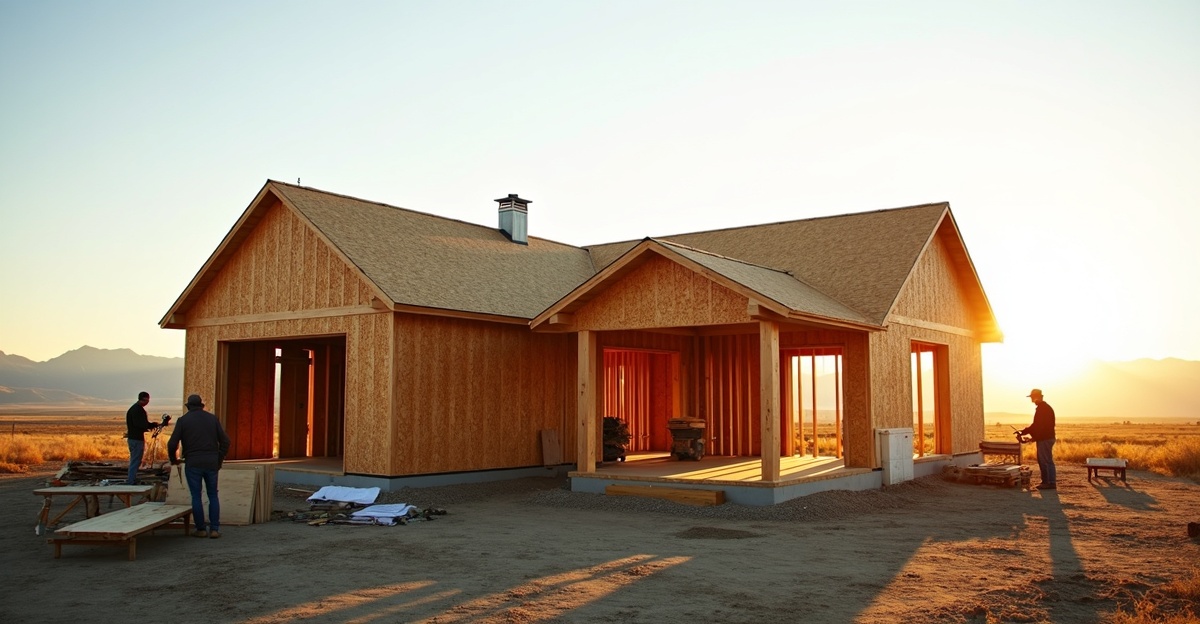
A realistic house framing time estimate in Eastern Idaho usually falls between 3 and 6 weeks for standard custom homes. We see square footage, architectural complexity, and seasonal conditions drive most of that timeline. When we evaluate how long it takes to frame a house, we factor in local inspections, weather shifts, material delivery schedules, and pre-construction planning, since each one directly affects the build pace.
Key Takeaways
- Most single-family custom homes in Eastern Idaho frame in 3–6 weeks, while multifamily projects typically run 4 to 12+ weeks based on size and repetition. We often complete repetitive floor plans faster once crews establish a rhythm on site.
- Architectural complexity—vaulted ceilings, multiple rooflines, structural steel, and detailed layouts—adds more time than square footage alone. We plan additional labor and sequencing for intricate designs to keep the schedule realistic.
- Framing starts after foundation completion and must pass inspection before rough-in trades begin, so delays at this stage push the entire construction timeline. We coordinate closely with inspectors to prevent unnecessary downtime.
- Weather, inspection scheduling, material delivery, site access, and mid-project change orders frequently extend framing schedules. We build buffer time into our projections, especially during winter months in Eastern Idaho.
- Clear plans, early material ordering, coordinated crew scheduling, and consistent communication improve timeline accuracy and reduce avoidable delays. We set expectations early and stay proactive to keep projects moving efficiently.
A Realistic House Framing Time Estimate in Eastern Idaho
Framing moves quickly once it starts, but it still requires a clear and realistic house framing time estimate. In Idaho Falls and the surrounding Eastern Idaho communities, most standard custom single-family homes take 3 to 6 weeks to frame once the crew begins.
For common project sizes, we typically see the following ranges during normal building conditions:
- 1,800–2,500 sq ft custom home: approximately 3–4 weeks
- 2,500–3,500 sq ft custom home: approximately 4–5 weeks
- 3,500+ sq ft or architecturally detailed custom homes: 5–8+ weeks depending on complexity
- Duplex: typically 4–6 weeks
- 4–8 unit multifamily building: approximately 6–10 weeks
- 8–12 unit building: 8–12+ weeks depending on repetition, access, and crew size
These timeframes reflect Eastern Idaho building realities, including local inspection pacing, crew availability, and seasonal weather patterns. They are not national averages. Conditions in this region matter.
Homeowners often ask how long does framing a house take in general. The better question is how long it takes here, with this design, and during this season. That’s where an accurate custom home framing timeline or multifamily framing timeline begins to take shape.
How Project Type and Size Directly Impact the Framing Schedule
Square footage provides a starting point, but complexity drives the schedule. A simple rectangular footprint with a standard truss roof can move significantly faster than a home with multiple architectural features.
Framing slows down as details increase. Projects requiring vaulted ceilings, multiple rooflines and dormers, steep-pitch roofs, large window walls, or structural beams demand added layout care and installation time. Structural steel or engineered beams require coordination and inspections that extend the custom home framing timeline.
Larger homes aren’t just “more of the same.” They often include specialized framing methods and additional load paths that require closer sequencing. Even experienced crews need more time to complete these properly.
Multifamily projects work differently. Repetition improves efficiency. Once a crew frames the first unit in a duplex or townhome building, the process tightens up. Layouts repeat. Material staging improves. Productivity increases. That’s why a well-planned multifamily construction project can move steadily once systems are in place.
Custom homes require more adjustments. Owners may refine window placements or adjust interior walls during framing. Architects may clarify details as the structure goes vertical. Those decisions add time and demand coordination to avoid compounding delays.
Where Framing Fits in the Overall House Construction Timeline in Idaho
Framing begins only after site work and foundation are fully complete. Excavation must be done. The foundation must be poured, cured, and backfilled. Anchor bolts and layout must be verified before walls go up.
The typical sequence in a house construction timeline in Idaho looks like this:
- Foundation completion
- Framing
- Dry-in (roofing underlayment, exterior sheathing wrap, windows)
- Framing inspection approval
- MEP rough-ins (mechanical, electrical, plumbing)
Framing is one of the most visible phases in the project. It creates rapid progress above ground, but it depends entirely on the groundwork beneath it. Any delay before framing pushes everything else back.
Inspections also play a role. In Idaho Falls, scheduling a framing inspection can add several days or up to a week depending on Idaho Falls Building Department inspection scheduling procedures. If corrections are required, that extends the schedule further.
As outlined in Prime 1 Builders residential construction phase sequencing guidance, every trade follows framing, so delays at this stage ripple into mechanical rough-ins, insulation, drywall, and finish work. This impact also carries into the broader timeline. For perspective on the full build duration, we often recommend reviewing how long it takes to build a custom home so expectations stay aligned.
Construction Schedule Factors That Commonly Extend Framing
Weather affects framing in Eastern Idaho more than many people expect. Snow accumulation and high winds—well documented in National Weather Service climate data for Eastern Idaho—slow floor deck work, truss setting, and exterior sheathing. Freezing temperatures reduce productivity and raise safety concerns.
Late spring through early fall remains the most efficient building season. Winter framing is possible with proper planning, but crews must manage conditions carefully.
Material timing also matters. Lumber packages, trusses, and engineered products must arrive on schedule. Delays at the supplier level can add days or weeks before a crew can proceed.
Permit approvals and inspections can pause work if corrections are required. Site conditions also affect production speed. Limited access for equipment, tight urban lots, or sloped sites require extended layout and handling time.
Change orders during framing are one of the biggest schedule disruptors. Moving walls, resizing windows, or altering rooflines often requires reframing completed sections. Those revisions can add days or several weeks depending on the scope.
Crew size and coordination across multiple projects also influence speed. A well-scheduled framing operation with material staged and equipment ready performs far differently than one reacting day by day.
What Causes Delays—and What Is Preventable Through Planning
Some delays are preventable. Others aren’t.
Preventable issues usually stem from planning gaps. Waiting to order lumber or truss packages leaves crews idle. Incomplete plans or unresolved structural engineering details stop progress midstream. Poor coordination between foundation completion and framing crew scheduling creates downtime.
Clear pre-construction planning narrows the range of any house framing time estimate. Finalized plans, confirmed structural calculations, and locked material orders create stability before the first wall stands. We advise clients to review how to avoid delays in home construction early in the process, since many framing issues begin well before framing day.
Less controllable delays include severe weather events, city or county inspection backlogs, and broader supply chain disruptions. Those factors require flexibility in scheduling and steady communication across all parties.
Consistent communication during framing helps prevent mid-project design changes. Early decisions protect schedules. Once walls are up, revisions become expensive in both time and labor.
How Experienced Idaho Falls Framing Contractors Keep Projects on Track
A seasoned Idaho Falls framing contractor focuses on preparation before the first board is set. That work happens behind the scenes.
We pre-order lumber and confirm truss schedules before the foundation is poured. Engineered drawings and load calculations are reviewed and verified in advance. Crews are sequenced based on confirmed foundation completion dates, not estimates.
Inspection coordination also matters. Direct communication with local inspectors helps manage the framing inspection timeline efficiently. Preparing the site for equipment access, material staging, and safety compliance ensures work starts cleanly on day one.
Clear expectations define strong partnerships. We emphasize steady updates with owners and developers regarding milestone dates. Accurate forecasting matters more than optimistic guesses. For those evaluating partners, understanding what makes a good framing contractor helps clarify what to look for in scheduling discipline and field management.
In some cases, clients want framing services independently of full construction management. That option is available, and details are outlined in hiring a contractor for framing only.
Local experience shapes realistic timelines. Familiarity with Eastern Idaho weather patterns, inspection flow, and crew availability produces far more reliable projections than national averages. At structural framing services focused on this region, we base scheduling on actual conditions, clear scope, and build season timing.
Every project differs in size, design, and complexity. A direct conversation allows us to define a specific framing timeline based on square footage, structural details, and the time of year construction begins. When plans are ready, we’re always available through our contact page to review the schedule and provide a straightforward projection.
Frequently Asked Questions
A house framing time estimate is most accurate when plans, engineering, and material orders are finalized before construction starts. Clear architectural drawings and confirmed structural details reduce guesswork. However, weather conditions, inspection scheduling, and supplier timelines can still shift the schedule slightly. Estimates become more precise when pre-construction planning is thorough and site conditions are known.
The most common delays in a house framing schedule include weather interruptions, late material deliveries, and mid-project design changes. Snow, high winds, or freezing temperatures can slow productivity. Unresolved structural details or change orders during framing often add days or weeks. Inspection backlogs may also pause progress until required approvals are completed.
Framing is typically faster for production homes because floor plans repeat and crews follow standardized layouts. Repetition improves efficiency and reduces layout time. Custom homes often involve unique rooflines, vaulted ceilings, and structural variations that require additional measurement and sequencing. As a result, custom projects usually require a longer framing timeline.
Framing can continue during winter, but productivity often decreases in colder climates. Snow removal, icy surfaces, and shorter daylight hours affect crew efficiency and safety. Extreme cold may also slow certain installation processes. Builders usually add buffer time to the house framing time estimate when construction begins during winter months.
After framing is completed, the project moves into the dry-in and rough-in phases. Roofing underlayment, exterior sheathing wrap, and window installation typically occur first to protect the structure. Once the framing inspection passes, mechanical, electrical, and plumbing systems are installed. These steps prepare the home for insulation, drywall, and interior finishes.