
Can I Hire a Contractor for Framing Only?
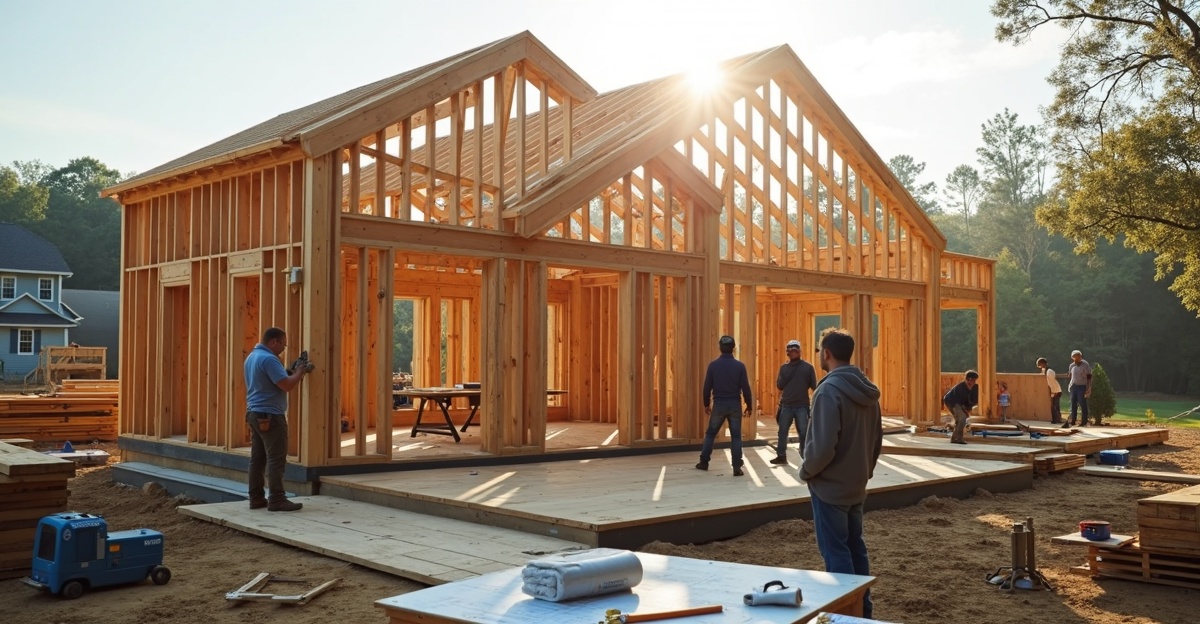
We can hire a contractor for framing only, and framing-only construction services focus strictly on building the structural shell according to approved plans. We leave permits, trade coordination, and full project management to another party. This structure gives us direct cost control and flexible oversight. At the same time, we take on scheduling, inspections, and site liability as the owner or acting general contractor.
Key Takeaways
- Framing-only contractors build the structural skeleton, including layout, floor systems, load-bearing walls, roof systems, and sheathing.
- Permits, inspections, subcontractor scheduling, and overall project coordination usually stay outside the scope unless we define them clearly in writing.
- Owners who choose framing-only services take responsibility for sequencing trades, managing inspections, and maintaining broader site oversight.
- Labor-only framing can lower upfront costs, yet coordination gaps and delays can quickly reduce those savings.
- Framing-only arrangements work best for experienced owners or developers with established trade networks and a clear project management plan.
What Framing-Only Construction Services Actually Include
Framing-only construction services focus strictly on building the structural skeleton of a home or multifamily project. We take approved plans and turn them into a standing structure that’s ready for mechanical, electrical, and plumbing trades to begin their work.
A framing contractor Idaho Falls property owners hire for this scope is responsible for core structural framing services, which typically include:
- Layout from approved architectural and engineered plans
- Floor systems and subfloor installation
- Exterior and interior load-bearing walls
- Roof systems, including rafters or trusses
- Wall and roof sheathing
- Structural components required by engineered drawings
With custom home framing services, we often coordinate closely with foundation crews and truss manufacturers to ensure measurements align with approved plans. Precision matters at this stage. Framing errors compound quickly and affect everything that follows. Our article on how framing impacts build quality explains why structural accuracy sets the standard for the entire project.
Framing-only work can be structured in two primary ways:
- Labor-only framing means the owner or developer supplies the full lumber package, hardware, and engineered components. We provide crew, supervision, layout, and installation.
- Labor plus materials means we source and install framing materials. That approach reduces procurement stress for the owner and helps manage material takeoffs and jobsite delivery timing.
The key in either case is a clearly written framing scope of work. That document defines what’s included, what’s excluded, and how changes are handled. Without it, misunderstandings are common.
In Southeast Idaho, weather also plays a role. Snow loads, wind exposure, and seasonal temperature swings affect scheduling and roof system requirements. Structural framing services must account for local engineering standards, truss design, and inspection timing. When we provide structural framing services, we coordinate these elements upfront so the build progresses without unnecessary rework.
What Framing-Only Services Typically Do Not Cover
Framing-only construction services have a defined boundary. Many issues arise when that boundary isn’t clear.
Common exclusions include:
- Idaho Falls building permits and inspections unless agreed in writing
- Managing subcontractors such as electrical, plumbing, or HVAC
- Scheduling downstream trades
- Site utilities and excavation
- Interior and exterior finishes
- Builder’s risk insurance
- Warranty coverage outside the framing scope
In most cases, framing contractors do not automatically pull permits or schedule inspections required by the City of Idaho Falls Building Division for the entire project. Those responsibilities fall to the general contractor or the owner acting as builder. Some framing contractors will pull a limited permit related only to their scope, but that must be documented.
Construction project coordination is another major gap. A framing contractor generally completes the structure and demobilizes. If another trade later damages framing members, responsibility depends on contracts, supervision, and insurance arrangements. Without defined oversight, disputes between trades can stall progress.
That’s why we stress a written framing scope of work that addresses responsibility after framing is complete. It protects the crew, the owner, and the project schedule.
Coordination and Liability: What Shifts to the Owner
When hiring a contractor for framing only, overall construction project coordination often shifts to the owner or developer unless a general contractor remains in charge.
Those coordination tasks typically include:
- Pulling permits
- Scheduling Idaho Falls building permits and inspections
- Sequencing trades in the correct order—foundation → framing → MEP rough-ins → insulation → drywall—follows the Cretin Townsend Homes residential construction phase standards.
- Confirming truss engineering matches field conditions
- Managing corrections required after inspections
Each of these steps affects schedule and financing. Gaps between trades create exposure to weather and increase the chance of material damage. Delays often extend beyond the framing phase. Our overview of the typical timeline for framing a home shows how framing fits into the larger build schedule.
Insurance responsibilities also become more complex. Who carries builder’s risk insurance coverage during residential construction becomes a critical contract question. Who assumes liability for jobsite safety outside the framing crew? If we bring our crew for framing-only work, we carry coverage for our team and scope. Oversight of the entire site falls elsewhere unless defined differently in a broader contract.
Complexity increases significantly for larger custom homes and any multifamily framing contractor project. For investors planning a multifamily construction project, trade sequencing and inspection timing demand tighter oversight. A minor coordination error on a single-family build can multiply quickly in townhome or apartment layouts.
Owners considering framing-only construction services must account for that shift in responsibility before moving forward.
Budget Implications: Cost Savings vs Management Burden
Many property owners ask whether hiring a framing contractor alone is cheaper than hiring a general contractor.
On the surface, labor-only framing can reduce upfront costs. Owners gain:
- Direct cost control over trade contracts
- Transparent labor-only pricing for the structural phase
- The ability to bid each trade separately
However, savings depend on experience and availability. Increased owner time commitment has a real cost. Delays between trades often erase projected savings. Rework due to coordination gaps can quickly exceed the margin saved on a framing bid.
Financing adds another variable. Lenders typically release funds based on inspection milestones. If inspections stall because paperwork, sequencing, or corrections aren’t handled promptly, draw schedules slip. That affects interest carrying costs and overall timeline, especially in custom projects. Our breakdown of how long it takes to build a custom home illustrates how coordination influences total duration.
The comparison between a general contractor vs framing contractor should account for full oversight, warranty coverage, and risk management. Pricing the framing phase alone does not reflect total project exposure.
Custom home framing services for complex designs, vaulted ceilings, large spans, or structural steel coordination require tighter supervision. As design complexity grows, management demands grow with it.
Framing-Only vs Full-Service General Contractor vs Owner-Builder
Clear distinctions help property owners choose the right path.
A framing-only contractor focuses strictly on the structural shell. We execute layout, build the structure, and complete the agreed scope.
A full-service general contractor manages permits, subcontractors, scheduling, inspections, and often warranty service. Our article explaining what’s included in general contracting services outlines how that oversight extends beyond structure into complete project delivery.
An owner-builder assumes full responsibility for coordination, contracts, compliance, and dispute resolution.
Decision factors include:
- The owner’s construction experience
- Existing relationships with reliable trades
- Availability to manage daily site activity
- Lender requirements for licensed oversight
Framing-only construction services work well for experienced investors and developers with established subcontractor networks. They also fit phased build strategies where control over trade contracts is a priority.
This approach may not suit first-time custom home clients or projects operating under tight financing timelines. Without consistent supervision, scheduling and inspection challenges increase.
For anyone evaluating a framing contractor Idaho Falls project, we recommend reviewing what makes a strong framing partner. Our discussion on what makes a good framing contractor outlines the standards we believe matter most.
Common Questions Property Owners Ask Before Hiring
Property owners often ask whether they can legally hire a contractor just for framing. In most cases, the answer is yes, provided Idaho Falls building permits and inspections are handled correctly and a clear party is identified as the general contractor of record.
Another frequent concern involves permits. Framing contractors may pull permits tied directly to their scope if agreed in contract. Full building permit packages and inspection scheduling usually remain the responsibility of the general contractor or owner-builder.
Responsibility for damage caused by another trade depends on contract terms and insurance. Without centralized construction project coordination, resolving those issues can take time.
Framing-only arrangements are possible for multifamily builds. However, risk and coordination demands rise significantly, especially for apartment building projects or multi-unit developments.
Each project has different goals, timelines, and supervision needs. We work with owners to clarify their level of involvement and determine whether framing-only construction services or a broader construction arrangement makes better sense. Owners who want to review their options can contact our team to discuss scope, schedule, and oversight expectations in detail.
Frequently Asked Questions
Framing-only construction services usually do not include full permit management or inspection scheduling unless clearly written into the contract. Most framing contractors focus strictly on building the structural shell. The owner or general contractor typically handles building permits, inspection coordination, and compliance documentation. Clarifying responsibility in writing prevents delays and failed inspections.
Labor-only framing can reduce upfront costs because the owner supplies materials and manages other trades. However, savings depend on strong project coordination and scheduling. Delays between subcontractors, inspection setbacks, or material miscalculations can quickly offset cost advantages. Comparing total project oversight, risk exposure, and time commitment gives a more accurate cost picture.
Responsibility for jobsite safety depends on the contract structure. Framing contractors typically carry insurance for their crew and scope of work. However, overall site supervision, builder’s risk insurance, and safety compliance often remain with the owner or acting general contractor. Clear agreements are essential to define liability and avoid disputes if accidents or damage occur.
Framing-only construction services can be used for multifamily construction, but coordination demands increase significantly. Multi-unit builds require precise sequencing, engineering compliance, and inspection timing. Without centralized oversight, small scheduling errors can affect multiple units. Experienced developers with established trade networks are better positioned to manage these complexities successfully.
Hiring a framing-only contractor works best for experienced owners or investors who can manage permits, subcontractors, and inspections. It suits projects where direct cost control and trade flexibility are priorities. This approach is less ideal for first-time builders or projects with tight lender timelines, where full-service project management may reduce overall risk.