
How Long Does It Take to Build a Custom Home?
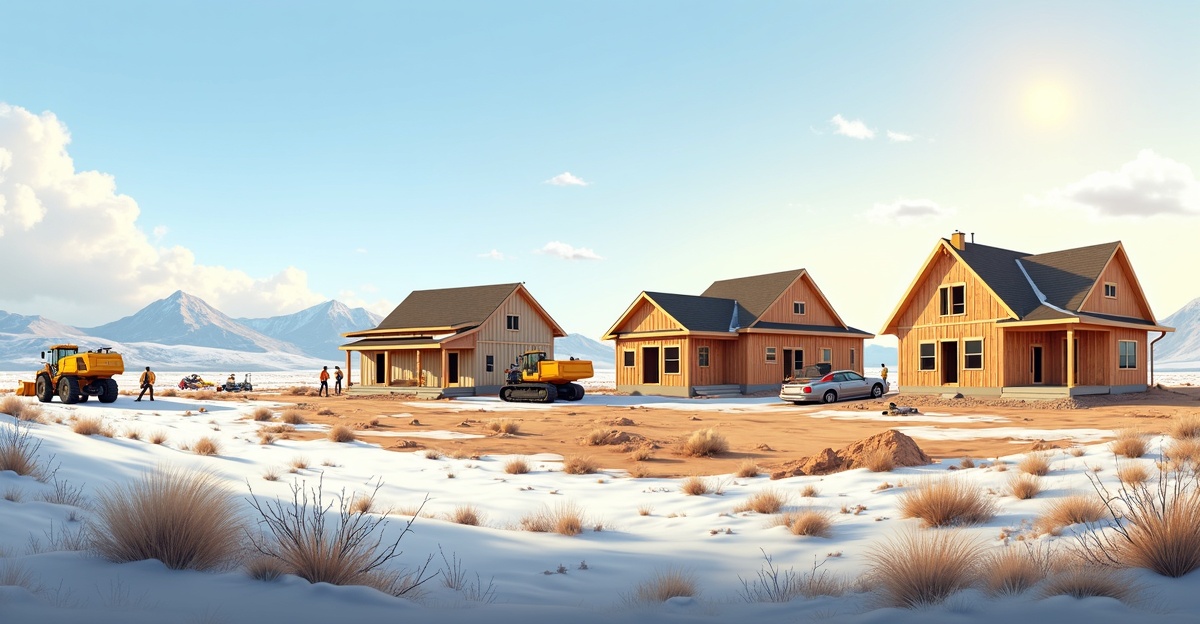
A standard timeline for building a custom home in Idaho Falls falls between 9 and 18 months. The length depends on how involved the design is, how quickly permits are approved, and what seasonal factors come into play. While the actual build phase usually takes 8 to 12 months, most delays come from early planning activities—especially design choices and permit processing.
Key Takeaways
- Pre-construction usually takes 2 to 6 months. This phase covers design planning, securing permits, and coordinating utilities.
- The main construction phase runs for 8 to 12 months. Progress depends on the weather, how fast inspections happen, and how easily crews can access the site.
- Complex designs and late-stage change requests often trigger delays, adding time and cost.
- Remote build sites—especially in rural areas—demand longer timeframes for utility hookups and site prep.
- Beginning construction in early spring or late summer works best with Idaho’s seasonal patterns and inspection scheduling.
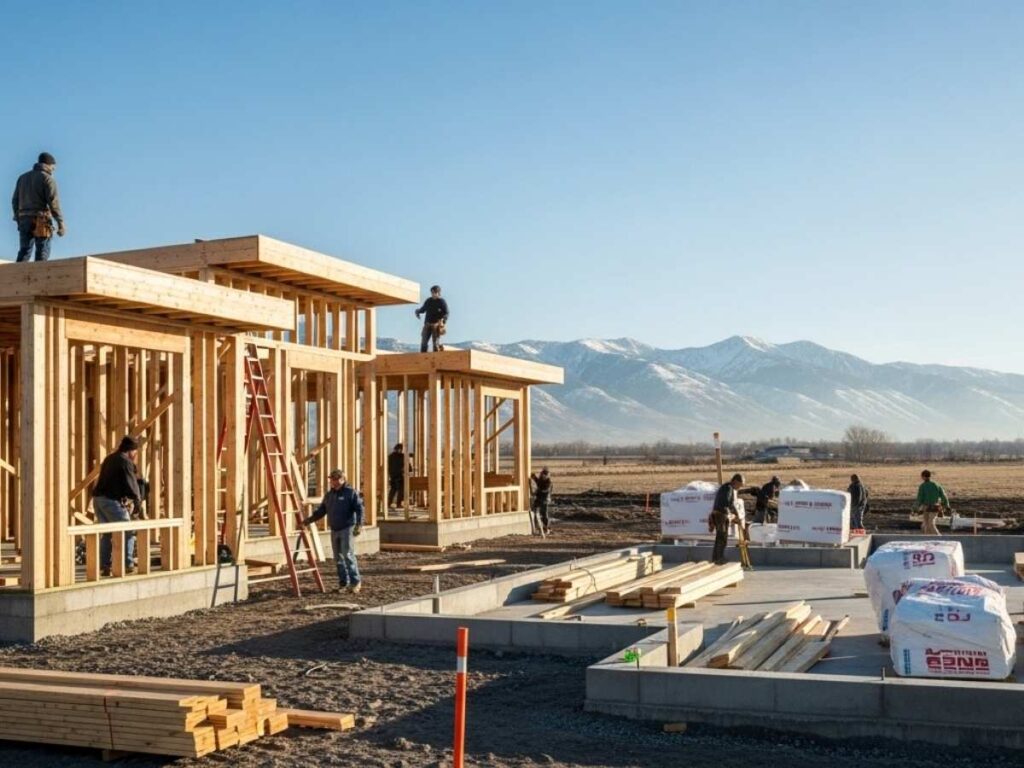
What to Expect: A Realistic Timeline for Building a Custom Home in Idaho Falls
Most custom home construction in Southeast Idaho spans anywhere from 9 to 18 months. That estimate includes everything from early planning through the final walkthrough. Your specific custom home construction timeline depends on several factors, including design decisions, weather conditions, and how quickly we can secure permits.
At a high level, the process breaks down like this:
- Pre-construction: 2 to 6 months
- Construction (foundation through interior finishes): 8 to 12 months
- Final walkthroughs and punch list: 1 to 2 weeks
Shorter schedules tend to apply to smaller, more straightforward designs built on accessible lots. Larger custom homes on rural properties usually push toward the longer end. For more context on how timing can shift based on season, see our post on the best time to start building in Idaho.
Every phase of the custom build process has moving parts, so steady communication and clear planning are essential. That’s where a reliable Idaho contractor can make the most difference.
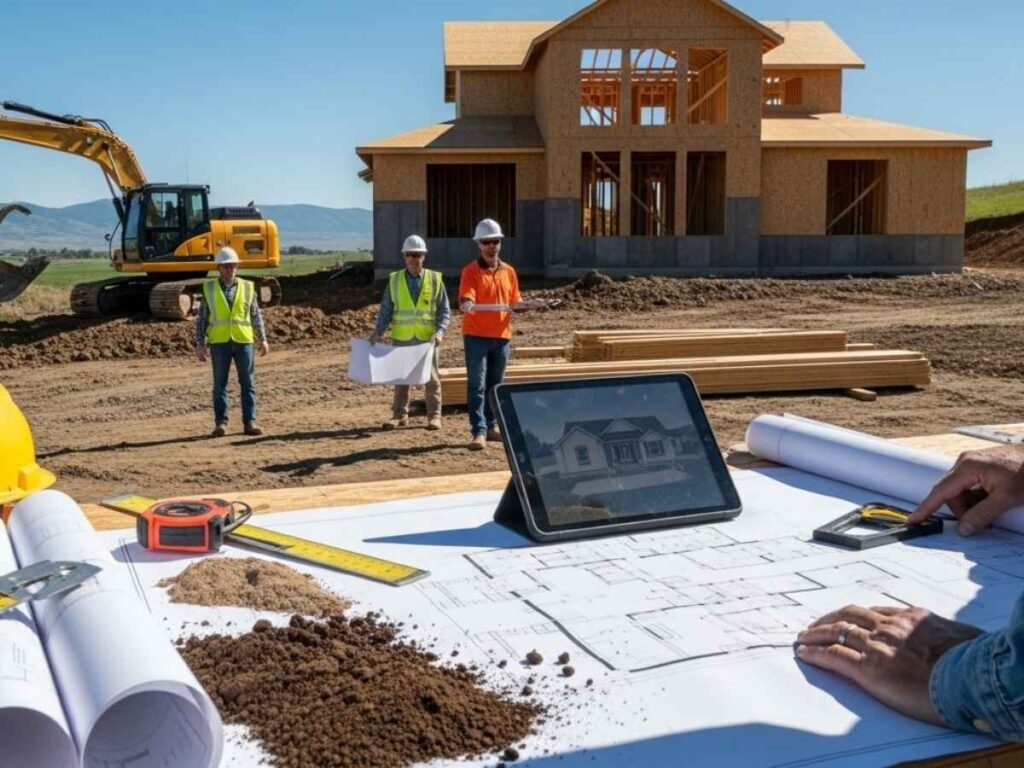
Key Influences on Your Custom Home Timeline
Several factors influence how quickly—or slowly—your new custom home takes shape. We see timeline shifts most often in these areas:
Main Elements That Affect Your Build
Each job carries its own set of conditions. The most common factors that affect home building timeline include:
- Design complexity: Homes with multi-wing layouts, vaulted ceilings, large window walls, or high-end architectural detailing tend to require more design, engineering, and build time.
- Lot conditions: Sites with steep slopes, clay-heavy soil, or insufficient utility access require added prep. We may need to bring in excavation, drill for wells, or engineer foundations accordingly.
- Location logistics: Remote sites typically face longer utility trenching times and less frequent delivery schedules, which add days or weeks to the Idaho home construction schedule.
- Buyer changes: If selections are changed mid-project, or if additional features are added after framing begins, the schedule usually stretches. These change orders are a leading cause of controllable delays, as documented in Construction Industry Institute research on change order impacts.
Understanding these risk points helps homeowners better manage expectations and avoid common slowdowns. We walk our clients through each one during the planning stage.
The Pre-Construction Phase: Where Most Delays Begin
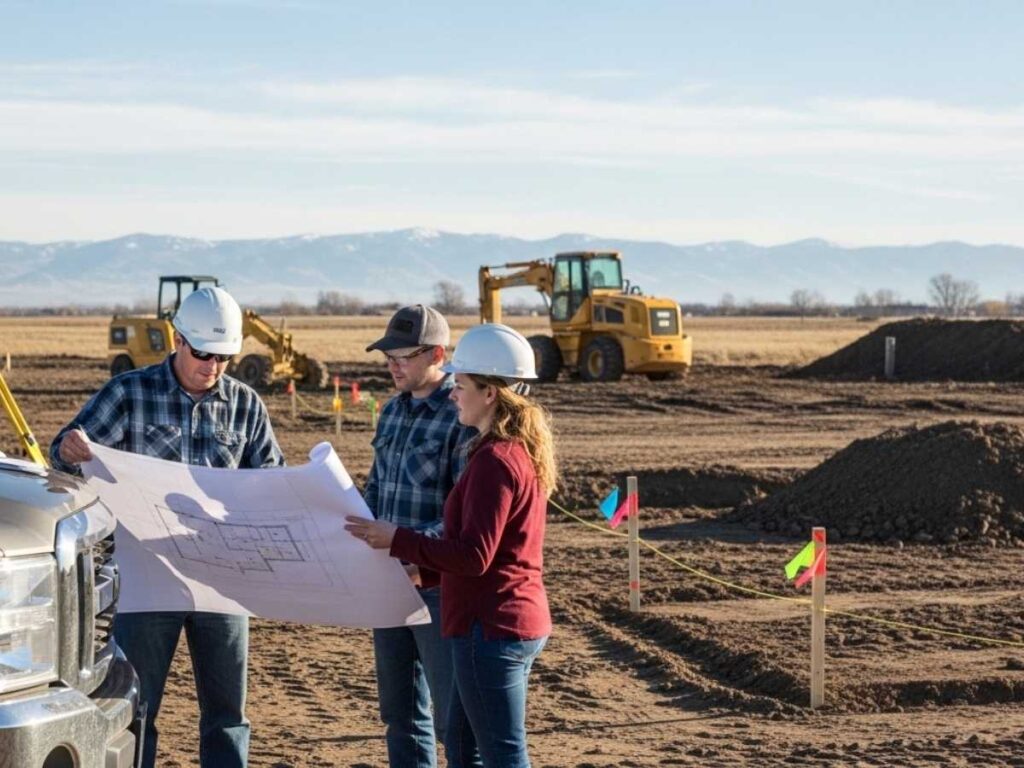
Pre-construction involves several critical early decisions and approval processes. This is a phase where the most controllable delays occur and where preparation has the biggest impact.
The typical pre-construction scope includes:
- Lot selection and purchase
- Coordination between architect, engineer, and builder
- Planning and submitting for permits
- Site scraping, grading, and utility layout
The permitting process in Idaho Falls can stretch between 3 and 12 weeks, depending on review volume and zoning requirements outlined by the City of Idaho Falls Building Department. It varies depending on property zoning, engineering complexity, and seasonal workloads in the local office. In counties like Bonneville or Jefferson, backlogs quickly build up in spring and fall as outlined by the Jefferson County Planning & Zoning Department.
During winter—December through February—groundwork often stalls. Frozen soil makes site excavation difficult or impossible, which slows the seasonal construction Idaho builders can carry out, particularly during periods when University of Idaho Extension guidance on frost depth in Idaho soils indicates deeper ground freeze.
Starting the custom home process in Idaho Falls with realistic scheduling helps align everyone’s expectations and limit costly downtime. See this breakdown on how to avoid delays in home construction for practical tips.
Main Construction Phases and How Long They Take
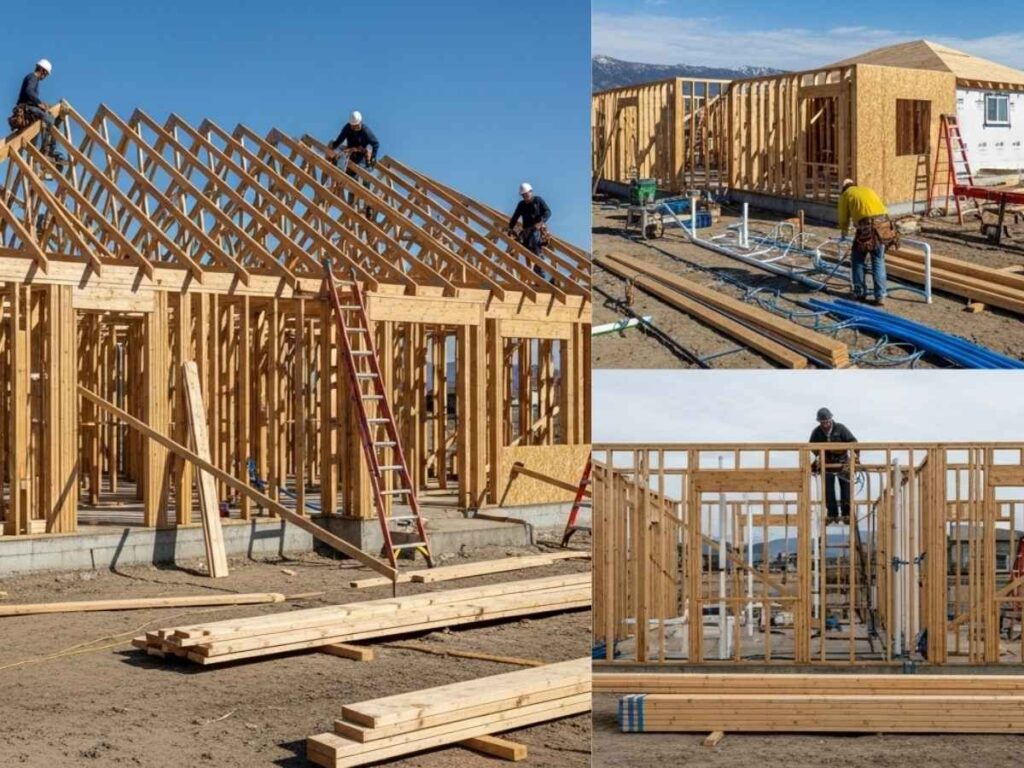
Once we’ve secured permits and broken ground, the main construction process begins. While jobsite activity feels more visible here, unexpected slowdowns still occur—especially during wet or cold weather.
Below is the general construction sequence we follow, along with typical timelines:
- Foundation and underground utility work: 2–4 weeks
- Structural framing and roof installation: 4–8 weeks
- Rough-in (plumbing, HVAC, electrical): 3–5 weeks
- Inspections: varies by phase, generally adds 1–3 weeks depending on availability
- Interior finish work (flooring, cabinets, paint, trim): 4–8 weeks
- Final walkthrough and punch list: 1–2 weeks
Framing and roofing are the most weather-sensitive tasks, a scheduling factor frequently discussed in National Association of Home Builders guidance on weather-related construction delays. A stretch of snow or wind delays both labor and material deliveries. During peak months (April through August), inspection bottlenecks in Eastern Idaho can add time even when the jobsite itself is on track.
For more detail on how we pace work during changing conditions, look at our post about efficient home construction strategies that apply across Idaho.
Understanding this construction timeline gives you a clearer idea of what to expect building a home in Idaho. We keep our milestones flexible but always push to maintain progress.
How Curt Wells Construction Helps Limit Delays
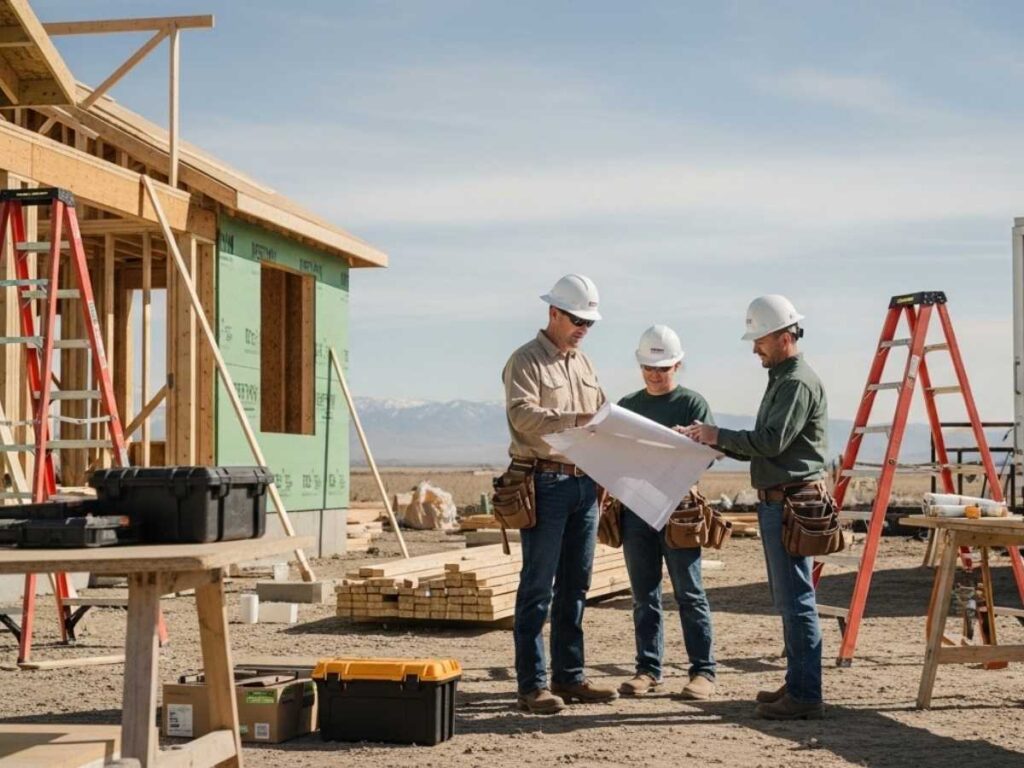
We’ve built across Eastern Idaho for years and know how to manage schedule pressures that can derail other projects. Several practices help us maintain a consistent home building timeline in Idaho:
- We schedule subcontractors in sync with lead times on ordered materials, so labor matches delivery.
- Our team explains how change orders affect downstream tasks, helping clients make faster, more informed choices.
- We hold milestone check-ins, bringing our crews, vendors, and homeowners into alignment at key stages.
- We schedule weather-sensitive phases based on long-range outlooks instead of fixed calendar dates.
On a recent project outside Rigby, we accelerated trenching for electric in early fall, to avoid frost delays common in November. That planning saved nearly three weeks on the back end.
Our approach isn’t about overpromising—it’s about taking small, repeatable steps to safeguard each custom home schedule. Visit our company page to learn more about how we build.
Planning Tips: Visualize Your Own Build Timeline
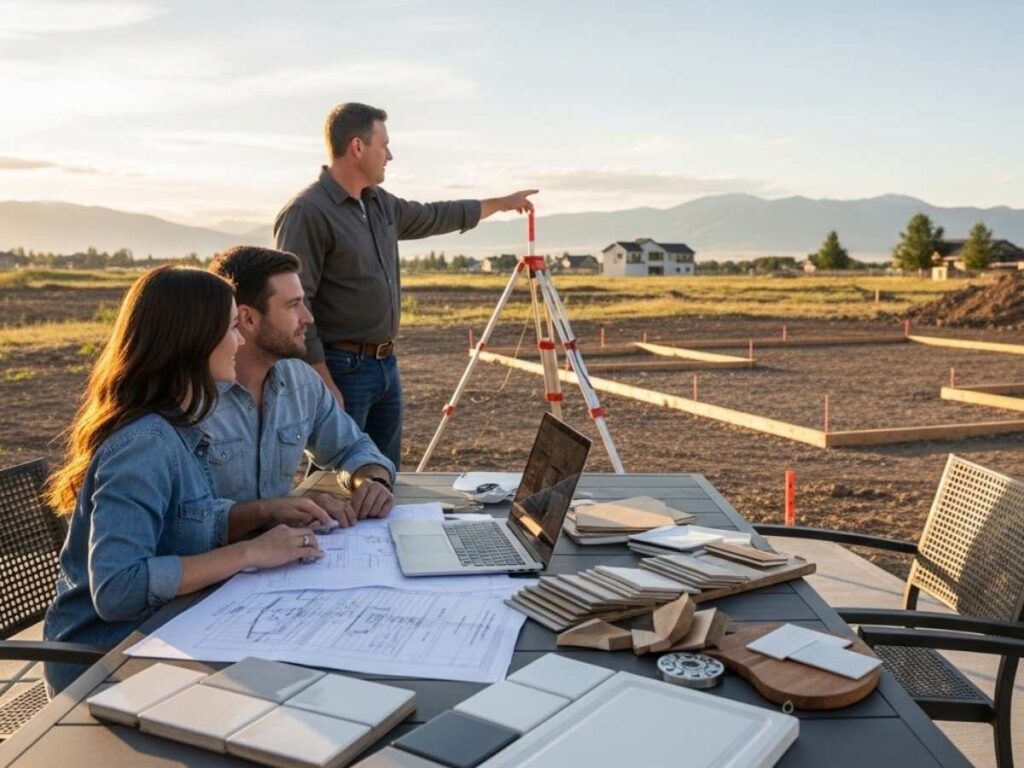
You can take a few early steps that help manage how long to build a house in Idaho. Thoughtful preparation cuts back on rework, rescheduling, and gaps between trades.
Steps to Help Stay on Schedule
Consider these strategies during your own early-stage planning:
- Choose a strong project start window: Early spring and late summer tend to allow smooth phasing around typical Idaho weather cycles.
- Confirm your financing calendar: Know if your lender releases funds at benchmark stages. Delays here often affect framing and finish starts.
- Make material decisions early: Cabinet styles, appliance models, and tile selections all influence bigger timelines than many expect when left undecided.
- Select your builder carefully: Builders who clearly define each project phase up front can reduce errors, conflicts, and guesswork.
Even small adjustments early on can keep your Idaho home construction schedule on track. Whether you’re already working through designs or just starting the conversation, browsing our construction blog offers more guidance at each stage.
For direct estimates based on your lot or layout preferences, don’t hesitate to reach out to our team. We’ve built everything from straightforward ranches to multi-structure family homes, and we’re ready to walk your project forward—with clarity and steady pacing.
Frequently Asked Questions
A custom home construction timeline typically ranges from 9 to 18 months from initial planning to final walkthrough. Pre-construction, including design and permits, often takes 2 to 6 months. The main building phase generally lasts 8 to 12 months. Factors like weather, design complexity, and inspection scheduling can extend or shorten the overall timeframe.
The biggest delays in a custom home construction timeline usually happen during pre-construction and from mid-project changes. Permit approvals, engineering revisions, and utility coordination often take longer than expected. Change orders after framing begins can also push back multiple trades. Weather conditions and inspection backlogs further contribute to schedule extensions.
Building in town is often faster than on a rural lot. Rural properties may require additional site preparation, well drilling, septic installation, and extended utility trenching. These added steps lengthen the custom home construction timeline. In-town lots typically have easier access to utilities and inspections, helping keep the schedule more predictable.
Early spring and late summer are generally the best times to start a custom home build in Idaho. These seasons allow groundwork and framing to progress before extreme winter conditions. Starting at the right time helps avoid frozen soil delays and inspection backlogs. Proper seasonal timing can keep your custom home construction timeline on track.
Yes, you can shorten a custom home construction timeline with thorough planning and early decision-making. Finalizing design details, material selections, and financing before construction begins prevents costly pauses. Clear communication with your builder and minimizing change orders also helps maintain momentum. Efficient scheduling improves timing without reducing construction standards.