
How to Avoid Delays in Home Construction
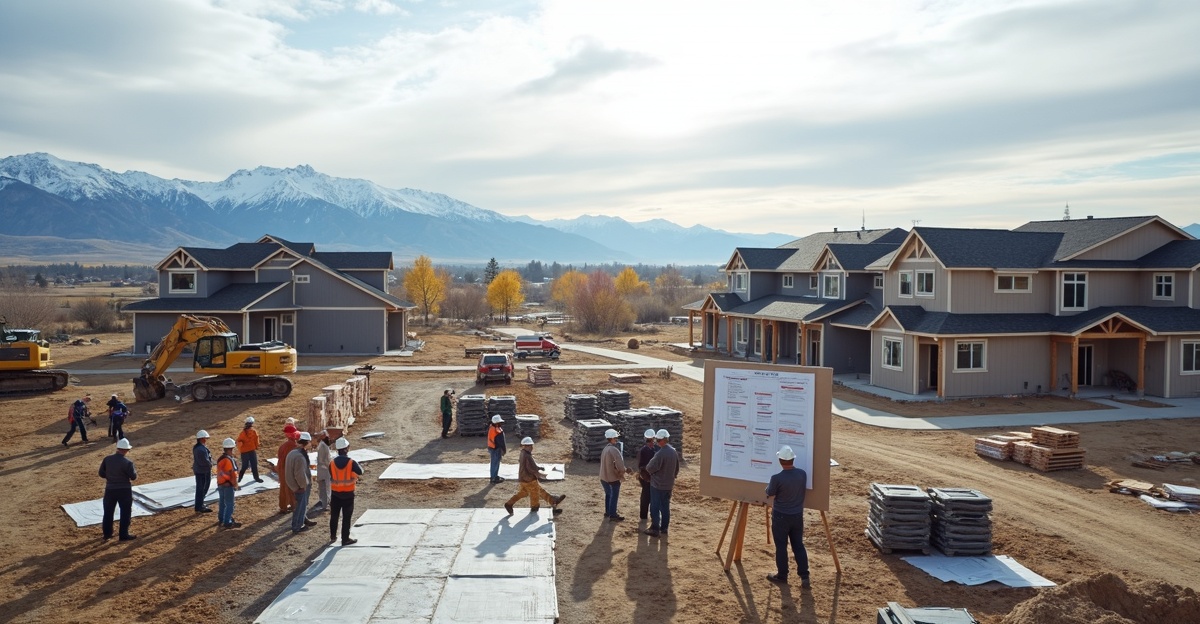
Avoiding construction delays in Idaho Falls means focusing on practical planning from day one. We need to account for local permit processes, seasonal weather conditions, and timely decisions that shape the construction timeline. By clearly setting project expectations, aligning subcontractors early, and planning for supply availability, we can keep the build on track and avoid common setbacks.
Key Takeaways
- Permit approvals in Idaho may take as long as 8 weeks depending on review volume and submission completeness, as outlined by the City of Idaho Falls Building Department. Submitting a complete application from the beginning helps avoid unnecessary delays.
- A well-defined project scope lowers the chance of design changes mid-build, which can drive up costs and extend timelines.
- Early coordination with trades and scheduling subcontractors in advance keeps work continuous across phases.
- Choosing and approving materials, especially custom options, early in the process helps us stay ahead of supply disruptions.
- Working with a contractor who uses proven scheduling tools and communicates clearly gives us better control over progress and deadlines.
What Causes Most Home Construction Delays in Idaho?
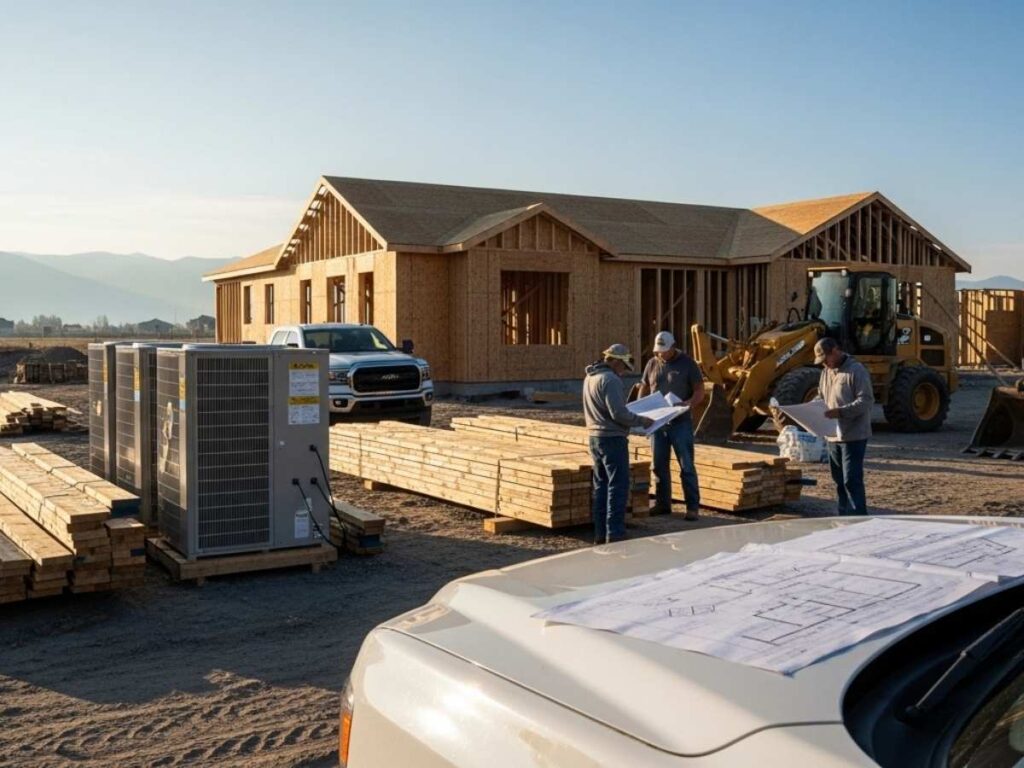
In Idaho Falls and nearby counties, high demand for new builds has increased permit activity, consistent with trends reported by the U.S. Census Bureau’s Building Permits Survey. Local departments routinely face backlogs, which can delay initial excavation by weeks. Especially during peak seasons, approvals can drift past the 8-week mark depending on application volume.
There are also several preventable causes of construction project delays. These include:
- Vague or shifting project scope
- Late-stage design changes
- Conflicts between trade schedules
- Interrupted material sourcing
In eastern Idaho, we often see hold-ups related to lumber supply, HVAC equipment, and skilled trade availability. Shortfalls in these specific areas regularly impact both single-family and multifamily construction timelines.
Communication breakdowns further compound delays. When general contractors, subcontractors, and homeowners aren’t clearly aligned, it leads to errors, rework, and idle periods on site.
How to Keep a Construction Project on Schedule
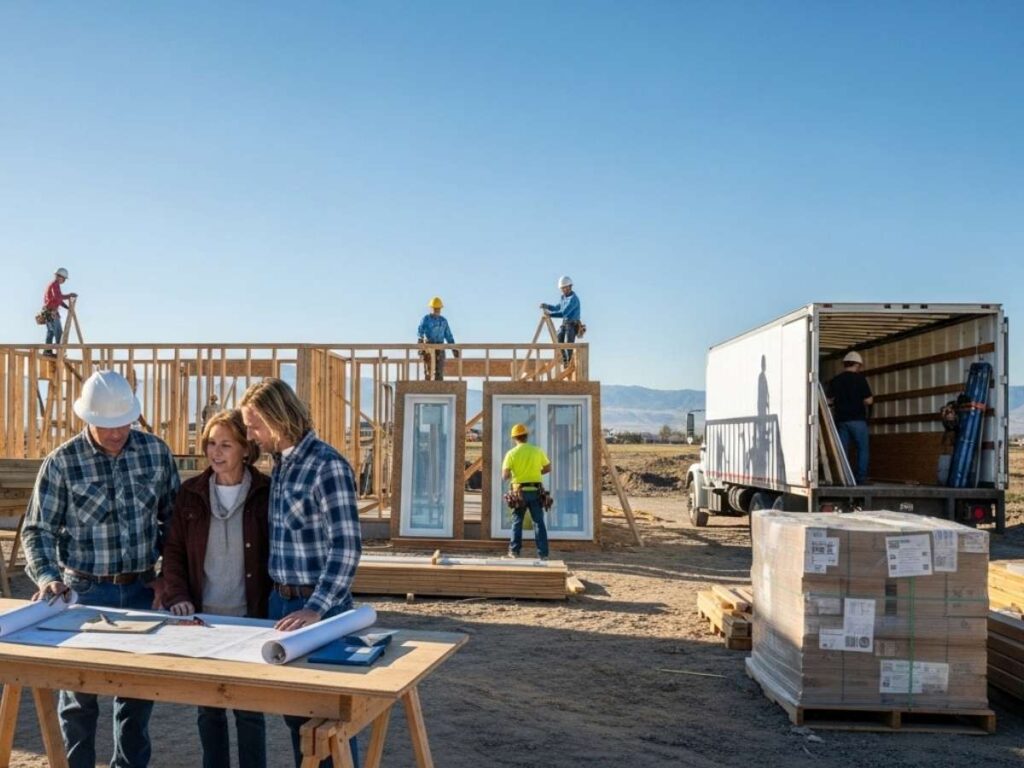
It’s important to start with a solid plan. A clear, fully defined scope is the most practical way to avoid mid-project disruptions. Once ground is broken, changes can ripple through the schedule and budget quickly.
A reliable Idaho Falls construction timeline also requires a regional understanding. Builders should factor in:
- Common weather-related downtime—snow, freezes, and mud seasons—are consistent with historical climate patterns documented by the National Oceanic and Atmospheric Administration (NOAA).
- Local inspection wait periods
- Subcontractor scheduling lead times
Approving all materials early can prevent shortages from affecting the flow. This is especially true for anything custom—doors, windows, cabinetry, tile, or fixtures. Delays in finishes are common but largely preventable.
For practical details on energy code timelines and sourcing, refer to Idaho’s current residential standards published by the Idaho Division of Building Safety before reviewing our insights on efficient home construction.
Choosing a Contractor with Strong Scheduling Practices
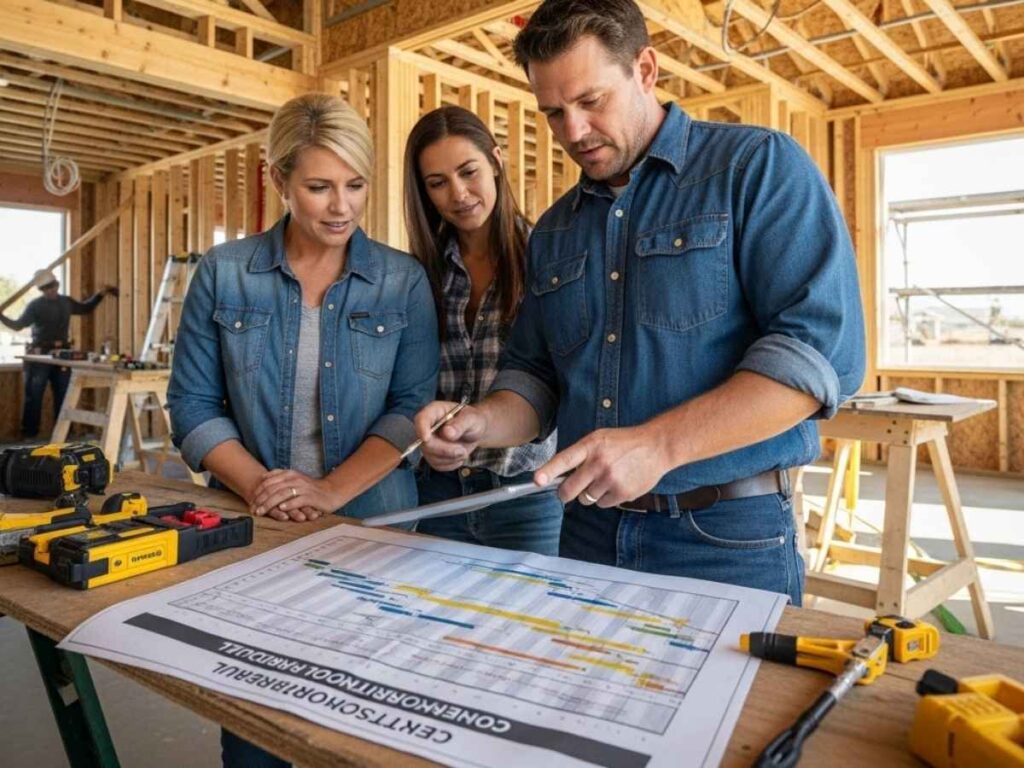
Builders with disciplined scheduling habits set the tone for the entire project. Look for a contractor who uses structured tools like Gantt charts or task management software, following scheduling best practices promoted by the Project Management Institute (PMI). Regular milestone updates are a good sign they stay organized. Ask direct questions about how they manage sequencing and subcontractor planning. In townhome or apartment building construction, overlapping trades can create bottlenecks if not coordinated well.
Experienced builders in Idaho Falls typically show signs of scheduling reliability, such as:
- Consistent delivery times across prior projects
- Clear change order procedures
- References who can confirm prompt completion
Discuss your preferred level of update frequency early—whether it’s weekly notes or biweekly site walkthroughs—and ensure they’re equipped for that cadence.
Permitting, Approvals, and Local Realities: What to Expect
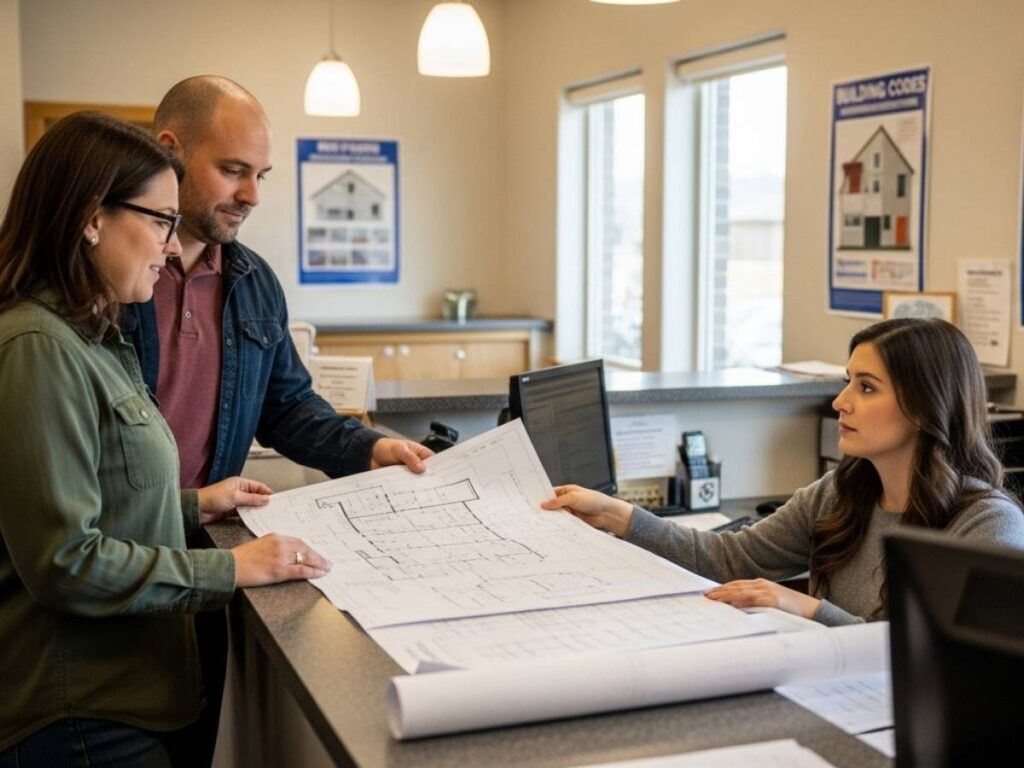
In Bonneville County and surrounding areas, permit approval usually takes 4–8 weeks. The timeline depends on project scale, permit office load, and how complete your submission is at intake.
We recommend submitting a full plan set with all forms attached. Missing forms or incomplete details are the number one reason for early delays.
Some builds may require additional agency reviews. In parts of Bonneville County, for example, utility extensions or flood zone verifications can extend the review phase. We plan for these early to stay aligned with the overall Idaho Falls construction timeline.

The Role of Homeowners and Developers in Staying on Schedule
We rely on owners and developers for timely decisions. Delays in approving finishes, revising design features, or submitting change orders can cascade through the schedule.
Strong builds happen when the client stays involved but doesn’t overcrowd day-to-day operations. Weekly or biweekly communication rhythms keep things moving without getting in the way of site productivity.
To prevent construction delays, we encourage:
- Prompt decisions on product selections
- Clear communication around changes
- Trusting the general contractor to manage sequencing
Misunderstandings around design, scope, or budget can quietly erode the timeline. Early alignment helps prevent issues later.

Checklist: Vetting a Builder and Preparing for a Smooth Build
Builder Selection and Planning Checklist
Ask these key questions during proposal or selection stages:
- Do they provide a detailed start-to-finish schedule before contract signing?
- What communication tools will they use—email, software, site meetings?
- What’s their average timeline for similar projects in Idaho Falls?
- Can they explain how they process and price change orders?
Getting these answers early helps eliminate surprises—one of the top causes of construction project delays.
Time invested upfront in planning, vetting, and scope clarity directly shortens the build phase. For more guidance on schedule-minded construction, browse our project planning resources or talk with our team.
Frequently Asked Questions
The best way to avoiding construction delays is to finalize your plans, budget, and material selections before construction begins. Clear scope definition reduces mid-project changes that disrupt timelines. Early coordination with subcontractors and submitting complete permit applications also prevent administrative and scheduling setbacks that commonly slow down residential builds.
Residential building permits in Idaho Falls typically take four to eight weeks for approval. The timeline depends on application completeness, project complexity, and department workload. Submitting full construction drawings, required forms, and accurate site details at the start helps avoid review resubmissions that can significantly extend approval times.
Yes, seasonal weather can significantly impact construction schedules in Idaho. Snow, frozen ground, and spring mud can delay excavation, foundation work, and inspections. Builders who account for regional climate patterns when creating the project schedule are better positioned to minimize downtime and maintain steady progress.
Change orders often extend construction timelines because they interrupt the planned sequence of work. Even small design revisions can require material reorders, subcontractor rescheduling, and updated inspections. Limiting changes after construction begins and approving selections early helps maintain schedule consistency and control overall project duration.
Subcontractor scheduling is critical because each trade depends on the previous phase being completed on time. Poor coordination can create gaps between framing, electrical, plumbing, and finishing stages. Builders who plan trade sequencing in advance and confirm availability early reduce idle time and keep the construction process moving efficiently.