
What Is Efficient Home Construction?
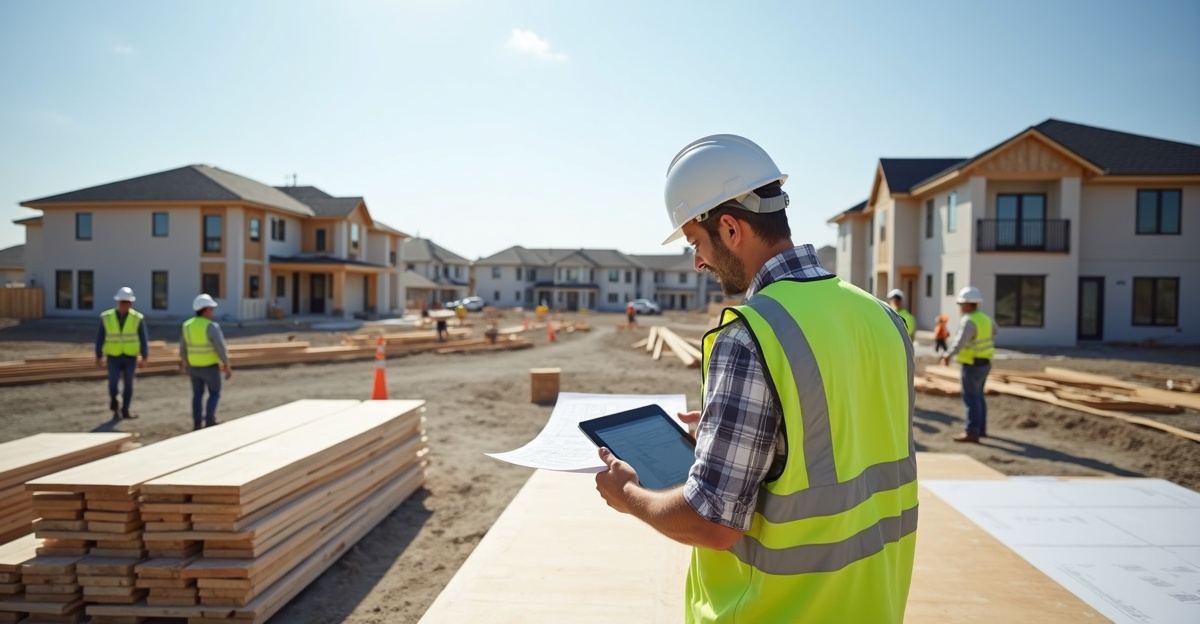
Efficient homebuilding starts with clear planning, dependable timelines, and open communication. We don’t believe in shortcuts—just smart processes that save time, manage costs, and deliver lasting quality. This strategy supports both homeowners and developers, ensuring every build stands the test of time.
Key Takeaways
- Successful home construction depends on early permit approvals, defined schedules, and steady communication. Together, these steps reduce delays.
- Ordering materials ahead and teaming up with suppliers we trust helps prevent hold-ups.
- Coordinating trades is critical. Each task must follow a clear order to avoid rework and downtime.
- Tracking the budget in real time lets us spot problems fast and keep expenses under control.
- Solid project management supports both single-family and multifamily builds. It keeps progress on course and protects quality at every stage.
Why Efficiency Matters in Construction: More Than Just Speed
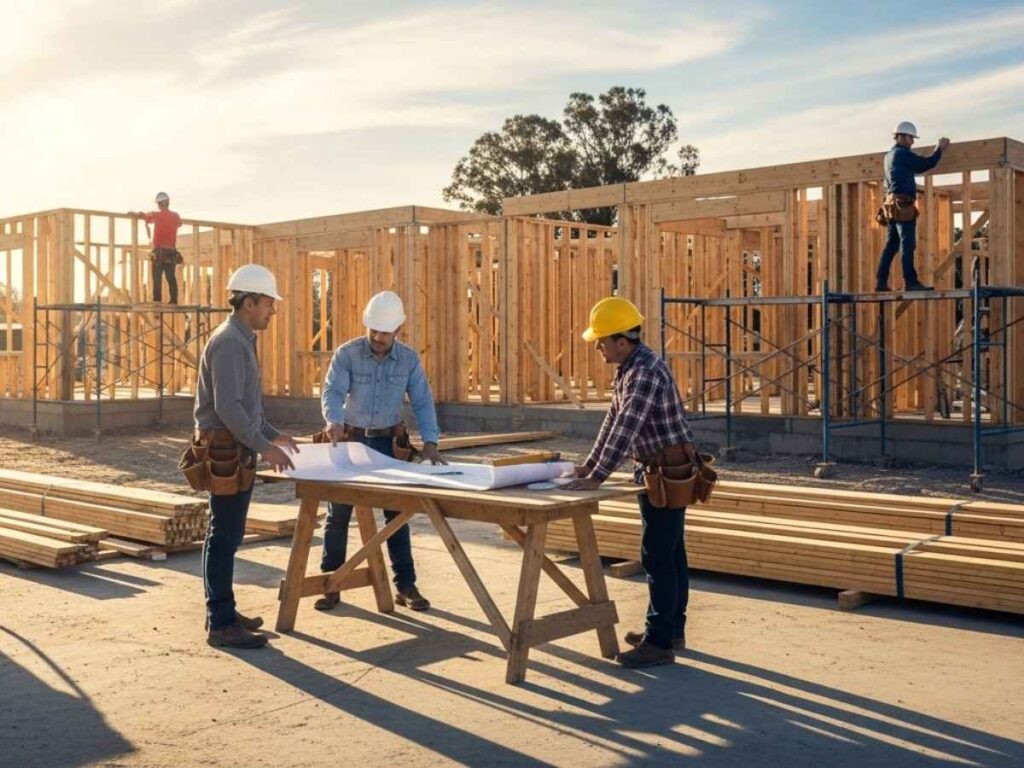
Efficient home construction isn’t about rushing—it’s about tight planning and smooth execution. Cutting corners only sets up bigger issues later. True efficiency delivers stronger ROI, fewer delays, controlled budgets, and a more predictable experience from start to finish.
Clients often ask, “Can we stick to the original budget?” or “How do we avoid weeks of delays?” Efficiency helps answer both. A well-managed build reduces stress by trimming uncertainty at each stage. It also strengthens resale value. When real estate appraisers and future buyers see clean work, consistent craftsmanship, and no signs of last-minute fixes, pricing reflects that confidence.
On both custom home builds and larger developments, efficient construction supports better building timelines and costs. It keeps resources aligned with long-term value—not short-term speed.
What Efficient Construction Actually Looks Like
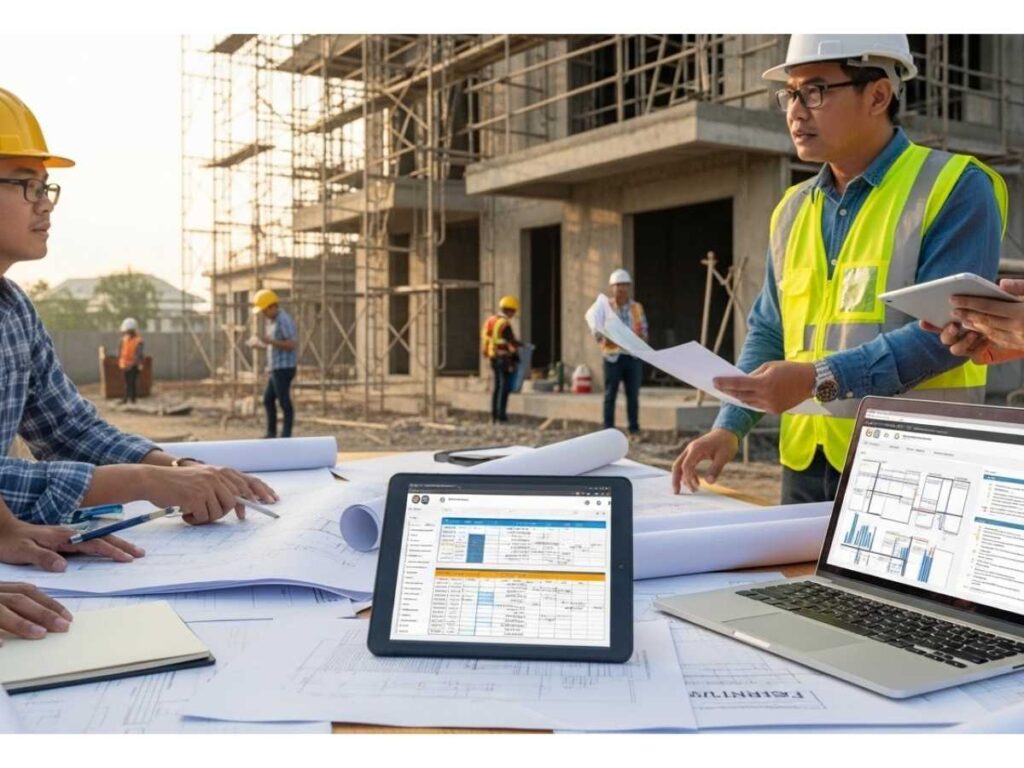
Efficient construction practices rest on reliable systems. They’re not the result of trial and error. We build smart by focusing on five key areas:
1. Planning and Permitting
Every construction project starts at the permit desk. Jurisdictional requirements vary widely, and local building permit requirements outlined by the City of Idaho Falls can delay entire timelines if not handled early. We address this upfront, reviewing zoning, engineering specs, and timeline impacts before crews ever arrive on site.
2. Material Procurement
Supply issues still affect many sectors of construction, as National Association of Home Builders industry reports have documented in recent years. Waiting to order materials risks backorders and delays. Instead, we source early, confirm inventory through established suppliers, and lock in delivery windows with realistic lead times.
3. Trade Coordination and Scheduling
Delays often come from misaligned trade work. If drywallers show up before electrical is complete, work stalls. We stage tasks in the right sequence and communicate daily with subcontractors to avoid idle time and rework.
4. Communication and Updates
Keeping project owners informed reduces back-and-forth and prevents misunderstandings. Our lead superintendent maintains consistent updates with owners and coordinates clearly between teams, smoothing handoffs during construction transitions.
5. Budget Monitoring and Issue Resolution
Tracking costs against the original estimate reduces surprises, a practice supported by research on construction cost overruns in residential projects. We use practical tools to watch expenditures and flag issues promptly. Adjustments can be made early—before they balloon into budget overruns.
These efficient construction practices support stronger outcomes across both simple and complex builds. That’s real construction project management in action.
How Efficient Construction Prevents Cost Overruns and Schedule Drift
Without solid systems, construction can veer off track quickly. Permitting delays, unavailable trades, last-minute material runs, and lack of accountability all stack up. One issue leads to another, and projects slip weeks behind schedule.
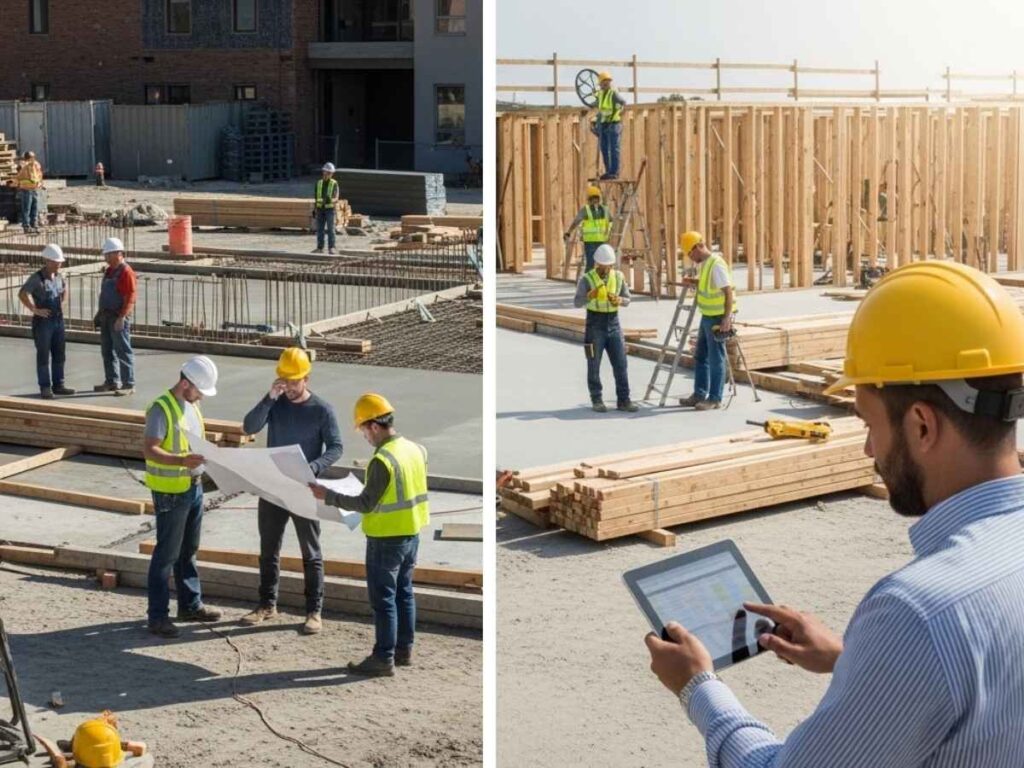
Now compare that to a well-managed build. We finalize permitting early and line up trade availability months in advance. Supplier agreements are confirmed before framing starts. Subcontractors follow a coordinated schedule, each step confirmed and communicated.
Let’s look at a realistic example. On a typical build without strong oversight, the framing crew shows up to find the slab hasn’t cured properly—causing a two-week delay. With proper project management, site inspections and concrete pours happen on time, so framing starts as scheduled.
Efficiency reduces the friction that turns minor issues into major delays. It protects both building timelines and costs by giving every phase of the project a clear next step.
How Good Project Management Supports Residential and Multifamily Builds
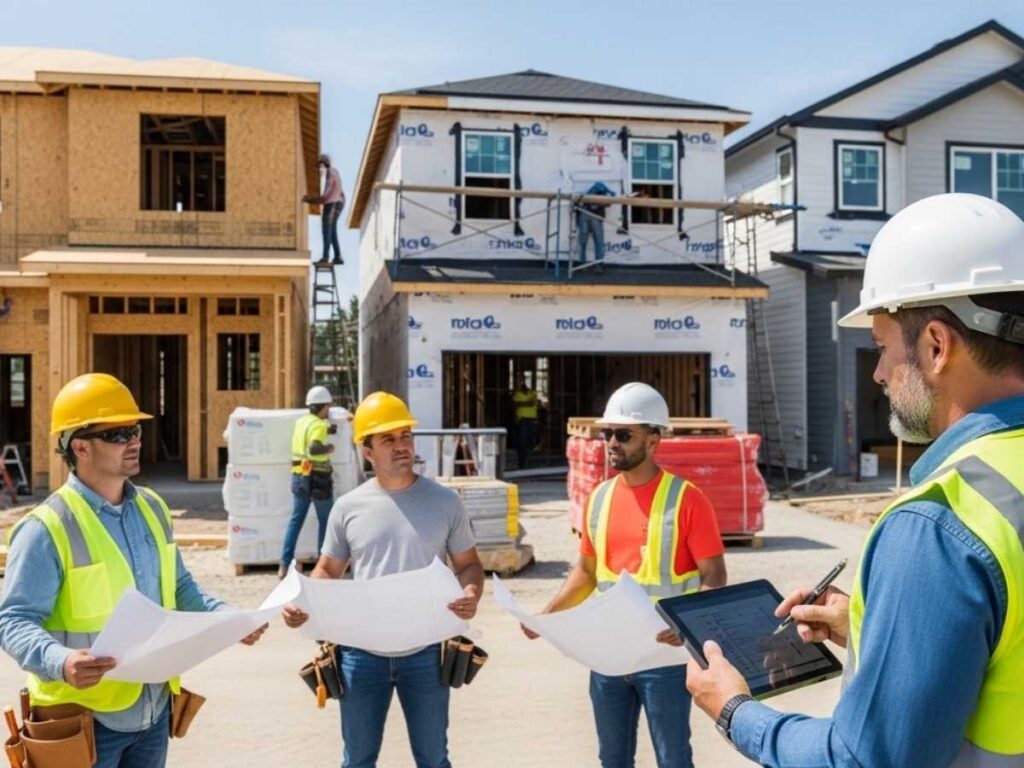
Both single-family and multifamily projects benefit from dependable project management. In a custom home, there’s no room to rush decisions or rework mistakes. In a multifamily build, the scale demands even tighter coordination.
From inspection readiness to workflow continuity, efficient multifamily construction process comes down to repeatable routines. We use weekly site check-ins, shared calendars with our subcontractors, and review steps ahead of each phase to avoid overlap.
For developers planning townhomes or an apartment building, it’s essential to stick to inspection cycles defined in the International Residential Code inspection framework and avoid schedule gaps across multiple units. We coordinate across crews so that trades work in parallel when appropriate and sequentially when required—no time lost, no tasks missed.
As a trusted Idaho Falls custom home builder, we apply the same systems to residential jobs. That includes vendor coordination, clear punch lists, and builder accountability for quality checks throughout the job.
Smart Decisions at Every Stage: Materials, Trades, and Timing
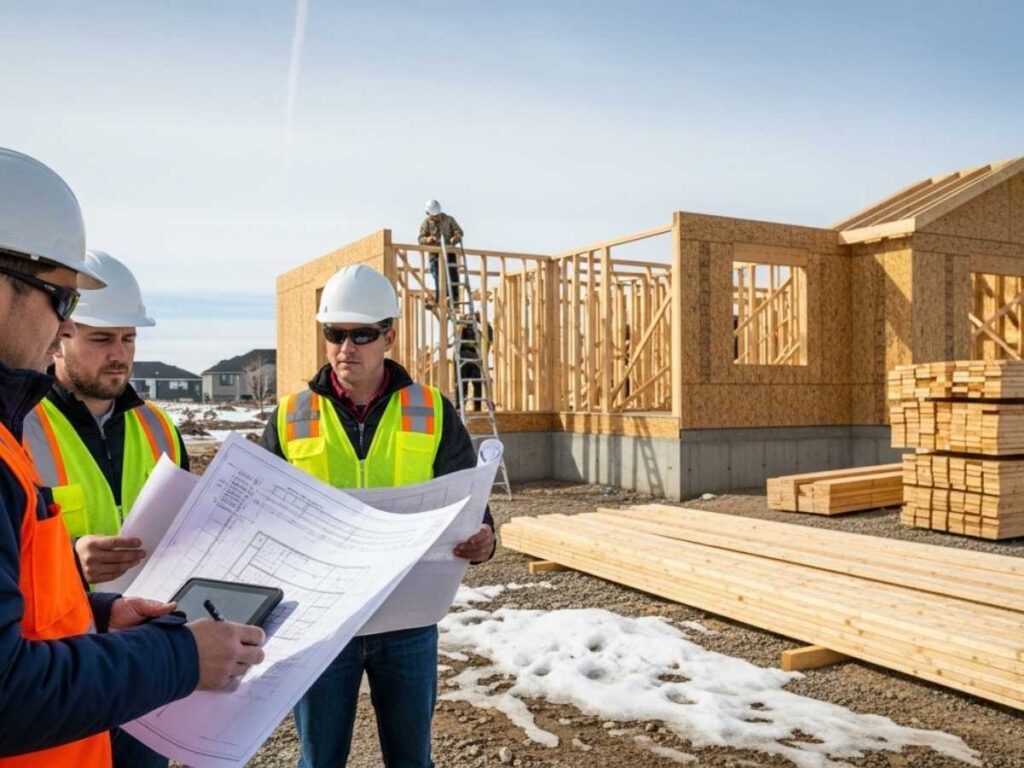
In efficient home building, timing affects everything—from inspections to weather readiness. Material delays, missed subcontractor windows, or out-of-order tasks derail progress and lead to bloated budgets.
We make decisions based on practical experience. Our strong supplier relationships allow us to secure materials early. With trades, we collaborate long before crews show up, so everyone’s scope and timing are understood.
Timing matters especially in Idaho Falls. With seasonal shifts bringing subzero conditions and rapid thaws—conditions reflected in historical climate data for Idaho Falls from the National Weather Service—a delay in framing can push work into bad weather. That’s why framing schedules are locked in weeks in advance. If the framing crew arrives before concrete sets properly, you lose two weeks and momentum.
These smart, experienced decisions reflect quality construction practices—choices that maintain pace, preserve quality, and avoid costly resets. As a dependable residential contractor in Idaho Falls, we manage those decisions daily for both individual homeowners and investment builders.

What Homeowners and Developers Should Ask Their Contractor
Asking the right questions sets a strong foundation. Whether you’re building a forever home or developing a multifamily property, use this practical checklist when comparing contractors:
- What’s your process for scheduling trades?
- How do you handle material shortages or delivery delays?
- What tools or methods do you use to track the schedule and budget?
- How often will I get updates on my project—and who provides them?
These questions help gauge whether your contractor has a repeatable system or just plans to figure it out on the fly. At Curt Wells Construction, we welcome these conversations. Our approach to efficient construction practices is clear, structured, and proven across project types.
A steady hand improves your home building process start to finish. Let’s get the planning right—and keep the build efficient every step of the way. Reach out through our contact page if you’re ready to talk through your next project.
Frequently Asked Questions
Efficient construction practices are structured methods that improve planning, scheduling, budgeting, and coordination throughout a build. They focus on early permitting, organized trade sequencing, and proactive material ordering. These systems reduce delays, prevent rework, and control costs. Instead of rushing work, efficiency ensures every phase follows a clear process to maintain quality and long-term durability.
Efficient construction practices lower costs by preventing delays, minimizing waste, and improving budget tracking. When materials are ordered early and subcontractors are properly scheduled, downtime decreases. Real-time cost monitoring also helps catch overruns before they escalate. By avoiding mistakes and last-minute changes, projects stay aligned with the original financial plan and timeline.
Trade coordination ensures each subcontractor completes work in the correct order. If tasks overlap incorrectly, crews may redo finished work, causing delays and added expense. Efficient scheduling aligns electricians, plumbers, framers, and drywall installers in sequence. Clear communication between teams keeps workflows smooth and prevents gaps that slow overall project progress.
Materials should be sourced and confirmed as early as possible—often before major phases like framing begin. Locking in supplier availability and delivery windows reduces the risk of backorders or shipping disruptions. Early procurement supports accurate scheduling and keeps crews productive without waiting for critical building components.
Efficient construction focuses on organization, accuracy, and long-term quality, while fast construction prioritizes speed alone. Speed without planning can lead to errors, inspection failures, and budget overruns. Efficiency, on the other hand, uses structured systems to maintain steady progress. The goal is predictable timelines and durable results—not rushed workmanship.