
What Are the Benefits of Investing in Multifamily Construction?
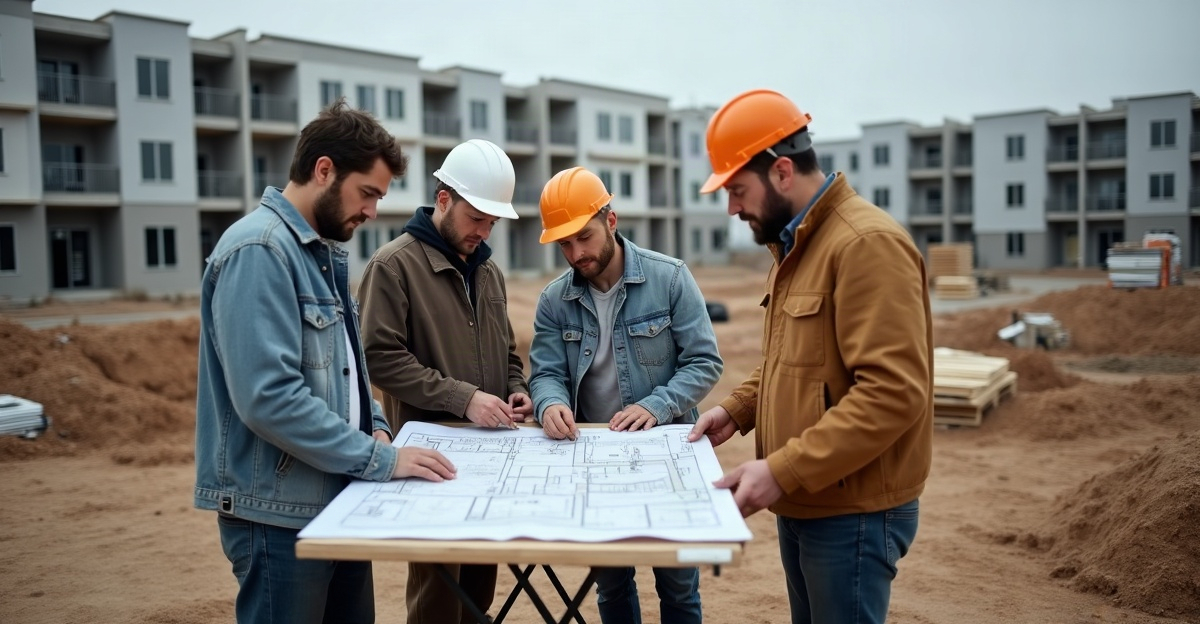
Multifamily investments can generate income from several rental units, streamline shared operations, and build long-term property value through strategic development. New multifamily construction also gives us control over unit layouts, durable materials, parking, utilities, and maintenance access before operations begin.
Key Takeaways
- Multiple occupied units can support income when vacancies or tenant turnover affect individual units.
- Shared maintenance, management, and site systems can improve efficiency over separate single-family rentals.
- New construction allows us to plan unit mix, amenities, accessibility, parking, and building systems for the target market.
- Local rental demand, zoning, site conditions, utility capacity, financing, construction costs, and operating expenses determine project viability.
- Early contractor involvement helps us identify constructability, budgets, schedules, durability, and maintenance needs before construction begins.
Core Investment Benefits of Multifamily Construction
Multifamily construction can create several rental income streams from one property. Apartments, townhomes, duplexes, and similar rental units allow owners to collect rent from multiple households rather than depend on a single lease.
This structure is one of the central multifamily investment benefits. If one unit becomes vacant, income from occupied units may continue to support operating costs. Vacancy and tenant turnover still affect cash flow, so a rental property investment needs realistic occupancy assumptions and reserves.
Shared systems can also improve operating efficiency. One multifamily site may combine maintenance for roofing, parking areas, landscaping, common utilities where applicable, and property management. That can be more efficient than maintaining several separate single-family homes across different locations. The savings depend on the property’s layout, condition, management approach, and local service costs.
Well-located, well-managed multifamily real estate may also support long-term property value and portfolio growth. Owners can add units, develop another site, or reinvest cash flow as their plans and market conditions allow. Appreciation, occupancy, and returns are never guaranteed, but a sound project can provide a practical foundation for long-term ownership. Our overview of multifamily construction explains the building types and project structure involved.
Why Building Multifamily Can Offer More Control Than Buying an Existing Property
Investing in multifamily construction gives owners greater influence over the property before operations begin. Instead of inheriting old layouts, deferred maintenance, limited parking, or inefficient mechanical systems, we can plan the building around the intended tenants and management model.
A new project allows owners to set the unit mix, room layouts, storage, parking, accessibility features, amenities, utility systems, and maintenance access. Quality construction, durable materials, and thoughtful multifamily building design can support tenant appeal and reduce avoidable maintenance concerns over time. Those decisions do not independently guarantee profitability, but they can help create a property that is easier to operate.
Design efficiency affects both construction and long-term operations. Repeatable unit layouts can simplify framing, mechanical work, and finish installation. Practical hallways, stair locations, service areas, and access to equipment can also reduce labor during construction and future repairs. Material selections should match the expected level of use, cleaning needs, and replacement costs.
Project type matters. Duplex construction has different site requirements, costs, financing options, and management needs than townhome development or a larger apartment development. Small apartment buildings may use simpler site plans and systems, while larger projects often require more extensive utility coordination, fire protection, parking, stormwater controls, and phasing. We provide townhome construction and apartment building construction services based on the practical needs of each project type.
For owners who want construction choices to support lower operating demands, our guide to efficient home construction covers useful principles that can also inform multifamily planning.
The Conditions That Make a Multifamily Project Viable
A viable project depends on far more than projected rent. Multifamily development feasibility requires a close review of local rental housing demand, land cost, zoning, utilities, road access, parking, code requirements, financing, construction costs, and long-term operations.
Idaho Falls multifamily construction should be evaluated site by site and neighborhood by neighborhood. National housing trends may provide broad context, but they do not confirm demand, supported rents, infrastructure capacity, or approval requirements for a specific Idaho Falls property. Any assessment of Idaho Falls apartment development opportunities should use current, credible local data and identify the date of that information.
Early feasibility work should establish the unit types needed in the area and the rents supported by comparable properties. It should also confirm whether multifamily zoning allows the intended density and building form. Water, sewer, power, road improvements, fire access, landscaping, parking, and stormwater requirements can change the project scope substantially.
A clear development plan connects market demand with a buildable site and a realistic operating model. Our resource on planning a multifamily project outlines the early coordination needed before construction begins.
Costs, Operations, and Risks to Evaluate Before Building
Multiple units can create multiple revenue sources, but they also create more operational responsibility. Multifamily construction costs extend beyond the building itself. Land acquisition, financing terms, site work, permitting, utility extensions, insurance, property taxes, and construction costs all affect the capital required to open the property.
After completion, rental property operating expenses continue. Owners need to account for utilities, repairs, common-area maintenance, property management, advertising, turnover work, vacancy, insurance, taxes, and reserves for future capital improvements. Roof replacement, paving repairs, mechanical equipment, exterior finishes, and interior updates can require significant funding over the life of the property.
Apartment development costs also vary widely by site conditions, building height, unit count, finish level, utility needs, code requirements, and labor availability. A project that appears workable with optimistic rent and occupancy assumptions may perform very differently under conservative assumptions.
We recommend building an operating plan that includes realistic management costs, maintenance reserves, expected turnover, conservative vacancy allowances, and future capital needs. Multifamily property management can be handled by the owner or a professional firm, but either approach requires clear responsibilities, timely maintenance, and consistent tenant communication.
Multifamily investment risks include changes in demand, interest rates, operating expenses, taxes, insurance costs, construction pricing, and local regulations. Rental income, expenses, occupancy, and financing terms vary by location and property. Apartments and townhomes are not guaranteed passive income or guaranteed investment returns.
This information identifies planning questions, not financial, legal, tax, lending, or real estate advice. Project-specific decisions should involve qualified financial, legal, tax, lending, and real estate professionals. A clear understanding of general contracting services can also help owners define where construction responsibility begins and ends.
How Early Contractor Involvement Supports Better Planning
An experienced multifamily general contractor can add practical value before final plans are complete. Early involvement supports constructability review, preliminary apartment construction budgeting, scheduling, site-condition review, and coordination with architects, engineers, and other design professionals.
We review how the proposed design fits the site and construction process. That includes site access, utility coordination, building code requirements, material selection, structural framing, parking layout, construction phasing, and long-lead items. Early input can identify tradeoffs between scope, budget, schedule, durability, and maintenance needs before they become costly changes in the field.
A contractor cannot guarantee financing approval, permit outcomes, rental demand, or project profitability. However, practical multifamily construction planning can give owners a clearer view of what the project requires and where decisions need further review.
Productive early discussions cover the project type, planned unit count, site location, desired timeline, preliminary plans, target budget, utility conditions, parking needs, anticipated finishes, and whether the property will be owner-managed or professionally managed. Our multifamily construction team can discuss a specific Idaho Falls-area project after market, financing, and operational considerations have been reviewed. For broader guidance on the value of contractor coordination, see the benefits of a general contractor.