
What Causes Cost Overruns in Construction Projects?
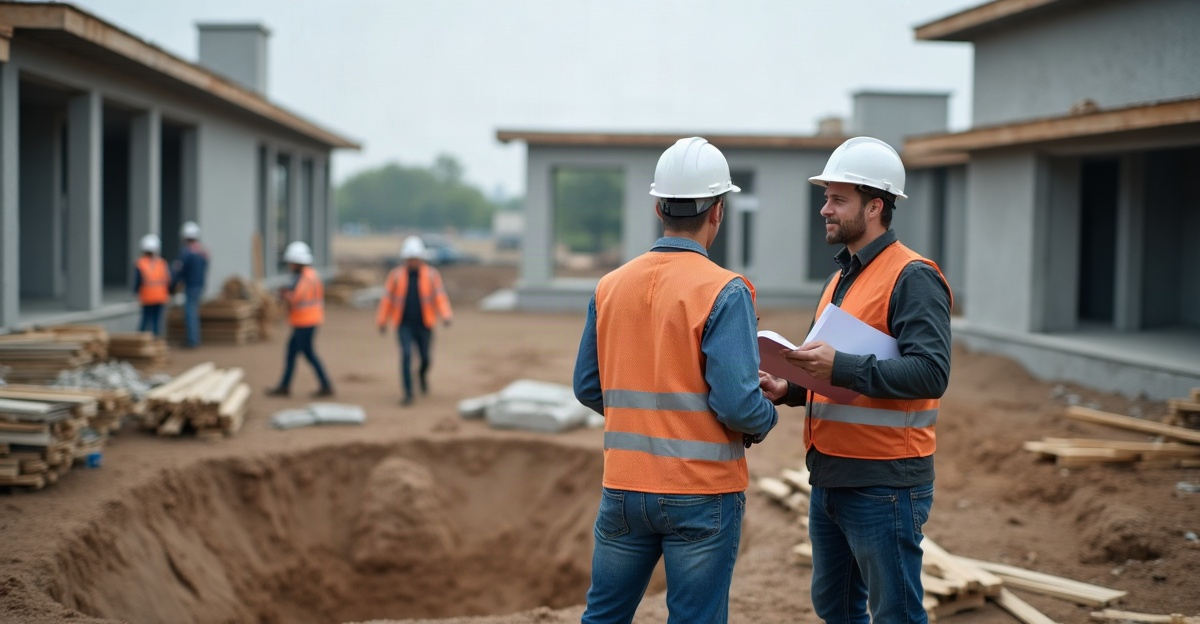
Construction cost overruns arise when final expenses exceed the original estimate, contract amount, or working budget. Incomplete scope, owner changes, site conditions, market shifts, and schedule disruptions often drive these increases. We help project teams control risks through clear plans, realistic allowances, early site reviews, and documented change orders.
Key Takeaways
- Incomplete drawings, vague scope, unclear exclusions, and unresolved design decisions often require additional pricing after construction starts.
- Allowances fund known items that remain unselected, while contingencies reserve funds for unknown conditions and identified risks.
- Owner-requested changes, delayed selections, and financing delays can raise labor, material, and scheduling costs.
- Hidden site conditions, utility requirements, code updates, permit delays, weather, and material shortages can cause valid budget increases.
- Detailed bid comparisons, early selections, site due diligence, regular budget reviews, and written change orders help prevent avoidable cost increases.
The Main Reasons Construction Budgets Exceed Initial Estimates
Construction cost overruns occur when the final project cost exceeds the original estimate, contract amount, or working budget. An initial estimate is a pricing forecast based on the information available at that time, not an automatic guarantee of the final price.
The reliability of a construction budget depends on complete plans, confirmed design decisions, site information, contract terms, allowances, exclusions, market conditions, and the change-order process. Actual costs also vary by project size, location, site conditions, design complexity, finish level, and market timing.
Some project cost increases are legitimate and difficult to predict. Concealed soil or drainage problems, unknown utility conditions, newly identified code requirements, material market shifts, and documented owner-requested changes can all affect the final cost.
Other construction budget issues are often preventable or can be reduced through early planning. Vague scope, incomplete drawings, unclear exclusions, unrealistic allowances, delayed selections, poor bid comparisons, and undocumented changes create avoidable uncertainty.
Cost control is a shared process. We get better results when the owner, designer, contractor, and key trades work from clear information, document decisions, and communicate changes promptly. Strong new home budgeting begins before construction starts and continues through closeout.
Incomplete Scope, Design Decisions, and Owner Changes
An incomplete scope of work is one of the most common causes of construction cost overruns. Plans and specifications may leave out important details involving labor, materials, engineering, finishes, utility work, permits, or site preparation. If those details are unresolved when pricing begins, the contractor may need to price them later after construction is underway.
Exclusions also matter. An exclusion identifies work, materials, fees, or services that are not included in a proposal or contract. Excluded work is not necessarily an error. It must be clearly identified so all parties understand where responsibility and cost fall.
Late design decisions can produce project cost increases even when the change seems small. A revised layout, upgraded flooring, different appliance package, fixture change, or new finish preference can require material substitutions, added labor, demolition of completed work, or schedule adjustments. These changes are often reasonable. They simply need prompt pricing and written approval.
Financing delays or financing changes can also affect timing, selections, and scope. A delayed decision can hold up a trade, extend material lead times, or require a product substitution. Those effects can become more significant once crews and deliveries are scheduled.
A lower construction estimate does not always represent better total value. It may reflect lower allowances, omitted work, incomplete scope, different material assumptions, or unresolved details. We recommend comparing bids on an apples-to-apples basis that considers scope, assumptions, exclusions, allowances, schedule expectations, quality standards, and communication practices.
Clear custom home cost estimates make those comparisons easier. Before signing, we should understand what each proposal includes and what may require additional pricing later.
Budget Terms That Affect Your Final Construction Cost
The following terms should appear clearly in project pricing and contract documents.
| Term | What It Means | Why It Matters | What the Owner Should Ask |
|---|---|---|---|
| Estimate | A projected project cost based on currently available plans, specifications, pricing, and assumptions. | An estimate becomes more reliable as plans, selections, and site information become more complete. | What assumptions, details, and site information support this construction estimate? |
| Allowance | A budget placeholder for a known item that is not fully selected or priced at contract time, such as fixtures, flooring, appliances, or landscaping. | Allowances in construction can cause cost overruns if selections exceed the stated amount or do not match the intended finish level. | What product quality and price range does this allowance cover? |
| Contingency | A planned reserve for unknowns or identified risks, often used when site conditions or design details are not fully known. | A construction contingency helps address uncertainty without changing the base scope. | What risks does this reserve address, and how will its use be documented? |
| Change order | A documented adjustment to scope, cost, and potentially schedule after the original agreement. | A change order protects all parties by recording what changed and what the change requires. | Will the change order identify scope, price, and schedule impacts before work proceeds? |
| Exclusion | Work, materials, fees, or services specifically not included in the proposal or contract. | Exclusions identify costs that may fall outside the original contract amount. | Who is responsible for each excluded item, and when will it be priced? |
An allowance and a contingency serve different purposes. An allowance covers a known item that has not been fully selected. A contingency addresses unknown conditions or identified risks. Treating one as the other can lead to misunderstandings about the available budget.
We recommend documented change orders whenever practical before related work starts. For a closer look at the process, review how change orders affect projects. A clear record should show the revised scope, added or reduced cost, and any schedule effect.
Site Conditions, Permits, Materials, and Scheduling Disruptions
Unforeseen site conditions can affect a budget after excavation, demolition, or construction begins. Soil conditions, drainage, rock, site access, buried utilities, demolition discoveries, and existing structural conditions may remain concealed despite careful planning. Early evaluations reduce risk, but they cannot identify every condition below grade or behind finished surfaces.
For residential work, site work costs deserve close review before final pricing. Utility extensions, excavation depth, drainage requirements, septic systems, wells, and access improvements may significantly affect the work required.
Permitting delays, inspections, design revisions, and newly identified code requirements can also add work or interrupt the planned sequence. A revision may require updated drawings, new approvals, additional materials, or rescheduled trades.
Material price changes and product availability remain important factors. If a specified product becomes unavailable, a substitution may affect price, delivery timing, appearance, or installation requirements. Labor availability and subcontractor schedules can produce similar effects. Construction scheduling delays can increase costs when trades need to be rescheduled, materials require storage, or work cannot proceed in the planned order.
Idaho Falls construction and projects across eastern Idaho can face local conditions that affect timing and cost. Winter weather, rural access, excavation conditions, septic or well requirements, utility extension needs, seasonal scheduling, trade availability, and local permitting requirements may influence a project. These factors do not affect every site, but they should be reviewed early. We also plan for how weather affects construction when establishing realistic schedules.
How to Reduce the Risk of Construction Cost Overruns
We reduce construction cost overruns through complete information, early decisions, and consistent documentation. Finalize plans and key specifications before requesting final pricing whenever possible. Major layout, finish, appliance, and fixture selections should be made early enough to confirm price and availability.
Site due diligence should cover utilities, drainage, access, excavation, septic or well needs, and permitting assumptions. We should also review each allowance to confirm its quality level and understand how an overage or credit will be handled.
At Curt Wells Construction, we use detailed scopes, early project-assumption reviews, transparent allowances and exclusions, documented change orders, and ongoing communication to support informed budget management. This approach serves custom home construction and multifamily construction projects where coordination and clear cost tracking matter throughout the work.
A contingency reserve should reflect the project’s complexity and known risks. There is no universal amount that fits every project. Regular budget, schedule, and progress reviews help identify construction budget issues before they become larger project cost increases.
Questions to Ask a Contractor Before Signing
Use these questions to clarify the proposal before work begins:
- What is included in the base price, and what is excluded?
- Which line items are allowances, and what products or quality levels do those allowances assume?
- What site conditions or utility work could affect the price?
- How are material-price changes and substitutions handled?
- What is the process for approving a change order?
- Will change orders identify both cost and schedule impacts?
- How often will we receive budget, schedule, and progress updates?
- What assumptions were used to prepare this estimate?
For a custom home or multifamily project in Idaho Falls or surrounding areas, we can review the scope, site considerations, budget assumptions, and preconstruction planning needs during a project consultation.
Construction Cost Overruns: Frequently Asked Questions
What Is Considered a Construction Cost Overrun?
A construction cost overrun is any final project cost that exceeds the original estimate, contract amount, or approved budget. Scope changes, allowances, unforeseen conditions, market shifts, delays, and other factors can cause the increase.
Are Construction Cost Overruns Always the Contractor’s Fault?
No. Project cost increases can result from hidden site conditions, code requirements, owner-requested changes, supply-market shifts, or factors outside any one party’s direct control. Clear planning, pricing, and communication reduce avoidable issues.
How Can We Tell Whether an Estimate Is Realistic?
Review the completeness of plans, specifications, assumptions, allowances, exclusions, site information, schedule expectations, and change-order process. Compare contractor proposals on matching scope rather than bottom-line price alone.
What Is the Difference Between an Allowance and a Contingency?
An allowance is a placeholder for a known item that has not been fully selected or priced. A contingency is a planned reserve for unknowns or identified risks.
Can Change Orders Increase Both the Budget and Project Timeline?
Yes. A change order may require added labor, different materials, revised sequencing, new permits, or longer lead times. Each of these can affect cost and schedule.
Why Can Two Contractors Provide Very Different Prices for the Same Project?
Proposals may vary in included scope, allowances, exclusions, labor assumptions, material quality, site assumptions, schedule expectations, and unresolved details. A careful comparison identifies these differences before they become construction budget issues.
How Can We Reduce the Risk of Cost Increases Before Construction Begins?
Finalize plans and major selections early, evaluate the site, clarify allowances and exclusions, compare bids carefully, establish a written change-order process, and maintain a contingency reserve that fits the project’s known risks and unknown conditions.