
What Is the Difference Between Spec Homes and Custom Homes?
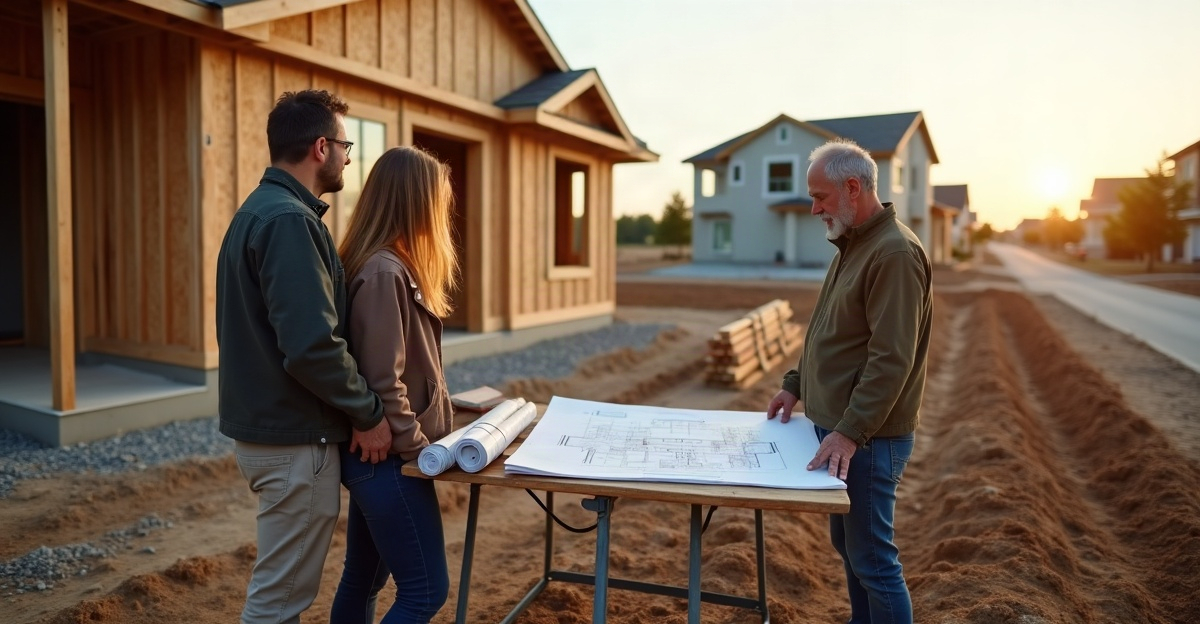
A spec home vs. custom home comparison centers on when we enter the process and how much control we have over the lot, floor plan, materials, finishes, and site work. Builders usually start spec homes without a committed buyer. They can support a faster move-in. We plan custom homes around our land, layout needs, selections, and long-term priorities.
Key Takeaways
- A spec home usually includes a builder-selected lot, plan, and finish package. We create a custom home for a specific buyer and property.
- Spec homes often offer a clearer purchase price and require fewer decisions because builders have already completed many construction choices.
- Custom home costs and timelines vary with land conditions, site development, engineering, permits, allowances, selections, and approved changes.
- A semi-custom home offers a middle option. We can use an established plan with limited layout changes, upgrades, or finish selections.
- Construction quality doesn’t depend on whether we choose a spec or custom home. Builder standards, materials, supervision, trade coordination, and inspections determine quality.
The Short Answer: How Spec, Production, Semi-Custom, and Custom Homes Differ
A spec home is generally built before a specific buyer has signed a contract, while a custom home is planned and built around a particular owner’s property, needs, and selections. The main difference in a spec home vs. custom home decision is when the buyer enters the process and how much control they have over the home’s location, design, materials, and final details.
These terms are not always used the same way. Builders and markets may define spec, production, semi-custom, and custom homes differently, so we recommend asking each builder how its process works before comparing options.
A spec home is a home a builder begins or completes without a committed buyer. The builder usually selects the plan, lot, materials, and finish package. A production home uses repeatable plans and standard options, often in a planned community. It may be built for a buyer or started as a spec home. A semi-custom home starts with an established plan and allows limited changes, upgrades, or finish selections. A custom home is planned around a specific buyer’s site, layout needs, materials, finishes, and priorities. The degree of flexibility still varies by builder.
| Consideration | Spec Home | Custom Home |
|---|---|---|
| Buyer involvement | Usually after construction has started or finished | Starts during land review, planning, and design |
| Move-in timing | Often quicker if complete or near completion | Includes planning, permitting, and construction stages |
| Floor-plan control | Builder-selected plan | High level of control, based on builder process |
| Lot selection | Usually builder-selected lot | Can use owned land or a selected lot |
| Materials and finishes | Mostly selected by the builder | Selected during the planning process |
| Budget structure | Generally a defined purchase price | Built through scope, allowances, site work, and selections |
| Change orders | Limited once work is complete | Possible, though changes can affect cost and schedule |
| Site-development work | Often already addressed by the builder | Must be defined for the specific property |
| Decision-making workload | Lower | Higher |
| Best fit | Buyers who value speed and fewer decisions | Buyers who need location, layout, or material control |
A spec home is not necessarily lower quality, and a custom home is not automatically higher quality. Construction quality depends on the builder’s standards, supervision, trade coordination, materials, and inspection practices.
Choosing the Right Path Based on Timing, Control, and Long-Term Needs
The best path depends on practical priorities. A completed home can simplify the purchase process. A custom build can solve location, layout, and long-term use requirements that an existing home or builder-selected plan may not address.
A spec home may be a better fit when a firm move-in deadline matters, fewer design decisions are preferred, and the selected lot, plan, materials, and finishes already meet the buyer’s needs. It can provide a more predictable purchase process because many construction decisions have already been made.
A custom home may be a better fit when a buyer owns land, wants a particular lot, or needs a specific garage configuration, shop, accessible feature, floor plan, or property layout. It also makes sense when material durability, energy performance, finishes, and future use require early planning. Our custom home building process helps establish these priorities before construction begins.
A semi-custom home may be the right middle option for buyers who want an established plan and a structured process but still want control over selected finishes, upgrades, or limited layout changes. It offers more input than a completed spec home without requiring a fully custom design.
A Practical Self-Assessment Checklist
Before choosing a path, consider these questions:
- Do we already own land, or do we need help evaluating a lot?
- How soon do we need to move?
- Do we need a specific floor plan, garage configuration, shop, accessible feature, or layout?
- How much time do we want to spend selecting finishes and materials?
- How much pricing flexibility can we accommodate if site conditions or selections change?
- Do we prefer a completed home with fewer decisions, or more involvement throughout planning?
- What are our non-negotiables for location, durability, layout, and long-term use?
For buyers weighing an existing home against a new build, our guide on building or buying a home can help frame the decision.
Budget, Price Certainty, and Change Orders: What Actually Affects Cost
Spec homes are not always cheaper, and custom homes are not always more expensive. Total cost depends on the property, scope, materials, builder process, financing, and current market conditions.
A completed spec home often has a more defined purchase price because the builder has already made key construction and selection decisions. Custom home pricing develops through planning, engineering, allowances, selected finishes, site work, and contract terms. The price can become more variable if site conditions change, allowances are exceeded, upgrades are added, or changes occur after work begins.
Before comparing a spec home with a custom home, we recommend reviewing land cost and availability; whether the property is developed; grading, excavation, drainage, soil, and retaining needs; utility access; well or septic requirements where applicable; road access; square footage; plan complexity; structural engineering; energy requirements; finishes; appliances; allowances; financing contingencies; and change-order procedures.
In Idaho Falls and across Eastern Idaho, rural and developing properties often need more early review. Access, grading, drainage, utility availability, septic or well requirements, soil conditions, and permitting can all affect the scope. Requirements vary by property and jurisdiction, so general information cannot replace a site-specific review.
Clear allowances, early scope review, and documented change orders help create realistic expectations. A buyer should understand what the contract includes, what remains an allowance, and how changes are approved before construction moves forward. The level of custom home design input should also be clear from the start.
Timelines, Land, and Buyer Involvement Throughout the Build
A completed or near-complete spec home may allow a quicker purchase and move-in process because design, permitting, and much of the construction work are already complete. A custom home usually includes added preconstruction stages: land review, design, pricing, engineering, selections, permitting, and construction.
Weather, inspections, material availability, trade scheduling, site conditions, and buyer changes can affect either timeline. No builder should present a timeline as a guarantee without accounting for these factors.
Spec homes are commonly built on lots selected by the builder or within established developments. Custom homes can be built on land a buyer already owns or plans to purchase. Whenever possible, the lot should be reviewed before the purchase is final. Access, utilities, permits, excavation, drainage, and engineering responsibilities should be assigned clearly in the builder agreement.
Greater buyer involvement provides greater control, but it also creates more decisions. That workload does not determine construction quality by itself. It simply reflects the added planning required to build around a specific property and household. Reviewing what to expect in a consultation can help buyers prepare for those early decisions.
Production Homes vs. Custom Homes: Where Semi-Custom Options Fit
In production homes vs. custom homes comparisons, production construction generally uses established plans, repeatable processes, standard features, and a streamlined selection process. It often takes place in planned communities where builders work from a limited set of approved plans and options.
Production homes may be sold to a specific buyer before construction starts, or they may be started as spec homes. The categories can overlap. A production builder can offer a buyer-selected home from an existing plan, while a spec home may be nearly complete before it reaches the market.
Custom homes generally provide more flexibility in plan development, site response, materials, and selections. Custom home advantages often include greater control over the lot, layout, finishes, durability, and long-term needs. Those advantages also commonly require more time for planning and more decisions during the process.
Semi-custom construction sits between these options. It usually begins with a predefined plan, then permits limited plan changes, upgrade choices, or finish selections. This approach can offer a practical balance between the structure of production construction and the flexibility of a fully custom build.
Neither production nor custom construction is categorically better built. Quality depends on the builder’s workmanship standards, project management, materials, inspections, and ability to coordinate the work. Our structural framing services reflect the importance of getting the building structure right before finishes are installed.
Questions to Ask a Builder Before You Decide
Quality should be evaluated through builder standards, completed work, trade coordination, materials, inspection practices, warranty terms, communication, and project management. The number of selections available to a buyer is only one part of the picture.
During a builder conversation, ask how the company defines spec, production, semi-custom, and custom homes. Confirm what the base price includes and what is treated as an allowance or upgrade. Ask whether the builder will review a buyer-owned lot before purchase, and clarify responsibility for site work, utilities, permits, and engineering.
Buyers should also ask when selections are due, what happens if changes are made after those deadlines, and how change orders are documented and approved. Discuss timeline assumptions, factors that could affect the schedule, quality-control steps, inspections, communication expectations, and warranty terms. Our article on choosing a custom builder covers these evaluation points in greater detail.
Is a Spec Home the Same as a Production Home?
Not always. A spec home describes when the builder starts the home without a committed buyer. A production home describes a repeatable building model. A production home can be built as a spec home.
Are Custom Homes Always More Expensive Than Spec Homes?
No. Cost depends on the land, site conditions, size, design, materials, selections, financing, and builder process.
Can a Spec Home Be Customized?
Sometimes, if construction has not progressed too far. Available changes depend on the builder’s schedule, purchasing, and completed work.
How Long Does It Take to Build a Custom Home?
The timeline depends on land review, design, permitting, site conditions, material availability, trade scheduling, weather, and changes made during construction.
Can a Custom Home Be Built on Owned Land?
Yes. We recommend reviewing the lot early to identify access, utilities, drainage, soil, permitting, and site-development needs.
What Is a Semi-Custom Home?
It is usually an established plan that allows selected upgrades, finishes, or limited layout changes.
Readers comparing a lot, home plan, spec opportunity, or custom-build scope in the Idaho Falls area can schedule a conversation with Curt Wells Construction to discuss land, plans, budget priorities, and realistic next steps.