
What Are the Benefits of Hiring a General Contractor for New Construction?
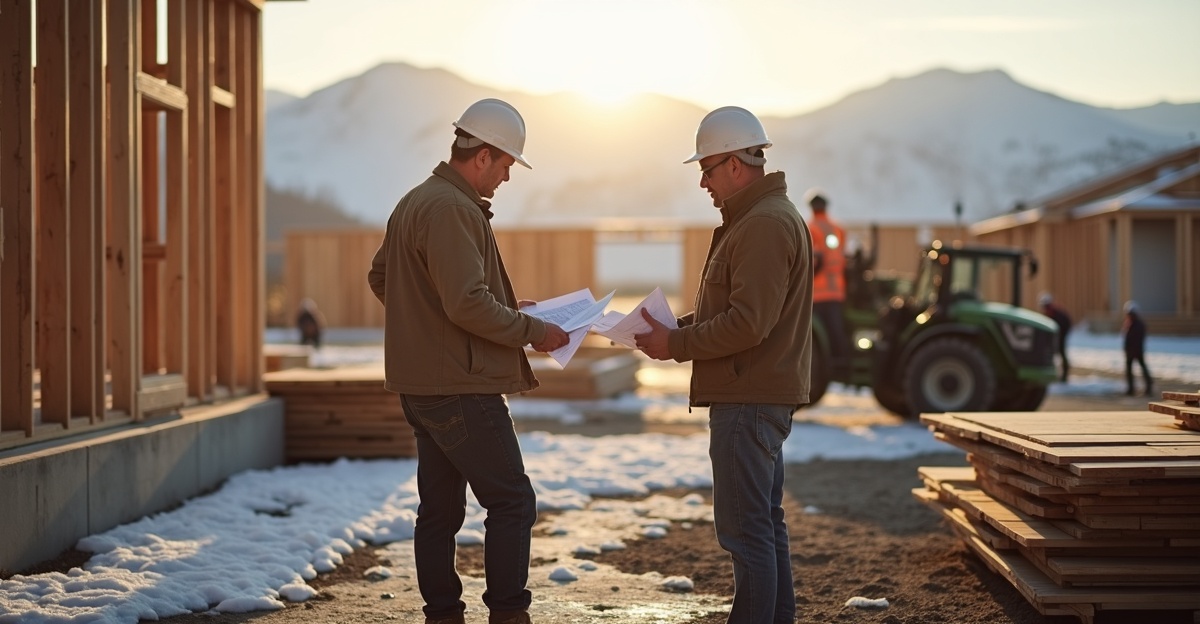
The benefits of hiring a general contractor for new construction include structured project oversight, disciplined budget control, and coordinated trade management from pre-construction through final inspection. In Idaho Falls and throughout Eastern Idaho, we account for permitting requirements, seasonal scheduling constraints, inspection sequencing, and long-lead material planning to keep custom homes and multifamily projects moving forward without unnecessary setbacks.
Key Takeaways
- We provide one clear point of responsibility for scheduling, subcontractors, budgeting, inspections, and overall execution. Clients avoid finger-pointing and confusion because we own the process from start to finish.
- We join projects early to improve constructability reviews, strengthen cost forecasting, and build realistic timelines based on current labor and material conditions. Early planning prevents expensive redesigns and change orders later.
- We apply structured budget management with clearly documented scopes and formal change orders to control costs and prevent mid-project misunderstandings. Clear paperwork protects both the investment and the schedule.
- We coordinate trade sequencing and manage inspections to prevent delays caused by missed milestones, weather disruptions, or extended material lead times. Tight scheduling keeps crews productive and reduces downtime.
- We oversee quality control, code compliance, and risk management to support long-term durability and performance in Eastern Idaho’s freeze-thaw climate. Proper installation methods and material selection protect homes from moisture intrusion, foundation movement, and seasonal stress.
The Benefits of Hiring a General Contractor for New Construction: What Property Owners Gain Up Front
The benefits of hiring a general contractor start with structure and accountability from day one. New construction involves dozens of moving parts, and centralized oversight keeps those parts aligned.
We provide one clear point of responsibility. That means coordinated scheduling, organized subcontractors, controlled budgeting, and consistent quality standards across every phase. Instead of juggling multiple trades, suppliers, and inspectors, we manage the entire operation under a single plan.
In Idaho Falls and throughout Eastern Idaho, local conditions matter. Permitting processes vary by jurisdiction. Subcontractor availability shifts with the season. Freeze-thaw cycles affect foundation schedules and exterior work. We account for these realities early so projects do not stall once construction begins.
Residential construction management brings order to each stage:
- Pre-construction planning and feasibility review
- Permit preparation and coordination with city or county building departments
- Trade scheduling and material procurement
- On-site supervision and code compliance
- Inspection scheduling and documentation
- Final walkthrough and project closeout
Property owners planning custom homes or multifamily projects within the next 6 to 12 months value predictability. We focus on timeline reliability and cost visibility rather than unrealistic promises. That approach keeps expectations aligned with actual construction conditions in Eastern Idaho.
What a General Contractor Actually Does in New Construction
A general contractor oversees the entire project from concept through completion. We start before the first shovel hits the ground.
During pre-construction, we review plans for constructability. We look for design details that may cause cost overruns or sequencing problems. We then develop preliminary budgets and cost projections based on current labor and material pricing in Idaho Falls.
Next comes scheduling. We build a detailed timeline and sequence trades in the correct order:
- Excavation
- Foundation
- Framing
- Plumbing and electrical rough-ins
- HVAC installation
- Insulation
- Drywall
- Interior and exterior finishes
Each step depends on the one before it. A missed inspection or delayed material order can disrupt the entire schedule. We monitor those milestones daily.
Beyond scheduling, we coordinate and vet subcontractors. That includes verifying licensing, insurance, and scope clarity. We order materials with realistic lead times and adjust timelines if suppliers report delays. In Eastern Idaho, long-lead items like trusses, specialty windows, or custom finishes require early action.
Inspection management is another core responsibility. We schedule required city and county inspections in Idaho Falls and confirm each phase meets code before moving forward. We also oversee jobsite safety and ensure trades follow approved plans.
A general contractor does more than manage subcontractors. We accept overall responsibility for execution and outcome. That accountability protects property owners from conflicts between trades and shifting blame if issues arise.
Stronger Budget Control and Financial Clarity
Clear budgets create stable projects. One of the central benefits of hiring a general contractor is disciplined financial management from the beginning.
We develop structured budgets with defined scopes of work. Each trade’s responsibilities are documented. Material selections are outlined with allowances where needed. When allowances apply, we explain how product selections can increase or decrease the final cost.
Transparent cost breakdowns help property owners see where funds are allocated. That clarity prevents misunderstandings mid-project. It also reduces the risk of gaps in scope that later become expensive change orders.
Change orders are sometimes necessary, especially in custom homes. We document each one in writing. We explain how it affects both the budget and the schedule before proceeding. That process keeps decisions informed rather than reactive.
We also track material costs, labor hours, and contingency usage throughout the build. If costs shift due to market conditions, we address them early. The goal is controlled movement, not surprises at the end.
For financed projects, we manage draw documentation and coordinate with lenders. Lien waivers, inspection confirmations, and cost summaries are prepared in time for scheduled funding releases.
Cost control does not mean pursuing the lowest bid. It means managing scope, tracking expenses, and making disciplined adjustments as conditions change. That level of structure is one of the most practical benefits of hiring a general contractor for new construction in Eastern Idaho.
Schedule Management and Trade Coordination That Prevent Delays
Construction timing depends on proper sequencing. Framing must finish before mechanical rough-ins begin. Inspections must pass before insulation and drywall installation. Exterior finishes must consider freezing temperatures and moisture risks during Idaho winters.
We develop schedules that reflect these dependencies. If excavation runs long due to soil conditions, we adjust downstream trades immediately. If weather affects concrete curing times, we recalibrate the plan.
Long-lead materials receive special attention. Windows, roof trusses, specialty fixtures, and custom cabinetry require advance ordering. We confirm delivery timelines before work reaches those stages.
Residential construction management reduces idle time between trades. We communicate upcoming start dates clearly. We confirm readiness before scheduling subcontractors on site. Where appropriate, we overlap tasks safely, such as beginning exterior work while interior rough-ins continue, without compromising inspections or quality.
In Idaho Falls, subcontractor demand shifts with the building season. Spring and summer schedules fill quickly. Established working relationships help secure reliable crews at the right time. That predictability keeps momentum consistent through framing, mechanical work, and finish phases.
Well-managed sequencing shortens overall project duration without cutting corners. It also protects budgets by limiting standby costs and unnecessary extended financing.
Quality Control, Code Compliance, and Risk Management
Quality control does not happen by accident. We check workmanship at each phase rather than waiting until final inspection.
During framing, we verify alignment, fastening patterns, and structural details before mechanical installation begins. After rough-ins, we confirm penetrations are sealed and work meets plan specifications before insulation covers walls. Each stage builds on verified work below it.
We coordinate inspections with local building departments in Idaho Falls and address corrections quickly if required. Staying proactive avoids compounding problems later in the project.
Risk management also plays a central role. We maintain proper licensing and insurance coverage. We structure agreements with subcontractors in writing. We enforce jobsite safety standards and monitor compliance.
Unforeseen site conditions can arise, especially in Eastern Idaho soil conditions or during unpredictable weather. If we encounter unsuitable soil, drainage concerns, or weather delays, we document the issue and propose corrective action with cost implications clearly explained.
A custom home contractor protects long-term durability by enforcing installation standards. Proper flashing, insulation placement, vapor control, and structural fastening reduce future maintenance and warranty issues. Those details directly affect resale value and long-term ownership costs.
Consistent oversight produces homes and multifamily buildings that perform well in Idaho’s freeze-thaw environment. That durability matters just as much as appearance.
Working With a General Contractor vs. Managing the Build Yourself
Managing a build independently requires direct coordination of every trade, permit, inspection, and material order. It demands daily site presence and familiarity with sequencing. Owners must also negotiate contracts, track invoices, and handle disputes between trades if conflicts arise.
An owner-managed project increases exposure to scheduling errors, incomplete scopes, and costly delays. One missed inspection or delayed material delivery can affect multiple downstream trades.
When working with a custom home contractor, the process follows a defined structure:
- Initial consultation and feasibility discussion
- Budget development and scope alignment
- Scheduling and subcontractor engagement
- Regular progress updates with documented communication
- Final walkthrough and completion documentation
That structure reduces uncertainty while keeping the owner informed.
Frequently Asked Questions
Is a general contractor required for new construction in Idaho?
Requirements vary by project type and jurisdiction. In many cases, owners can act as their own contractor, but they assume full responsibility for code compliance, permits, inspections, and subcontractor oversight.
How does a general contractor get paid?
Common payment structures include fixed-price contracts, cost-plus agreements with a defined fee, or a percentage of total project cost. The right format depends on project scope and design clarity.
Can we act as our own general contractor in Idaho Falls?
It is possible in certain situations. However, owners must manage all scheduling, inspections, subcontractor agreements, and safety compliance. The time commitment and risk level are significant.
How early should we hire a general contractor?
We recommend engaging a general contractor during early design or shortly after preliminary plans are complete. Early involvement improves budgeting accuracy, scheduling strategy, and material planning.