
What Is the Difference Between a General Contractor and a Custom Home Builder?
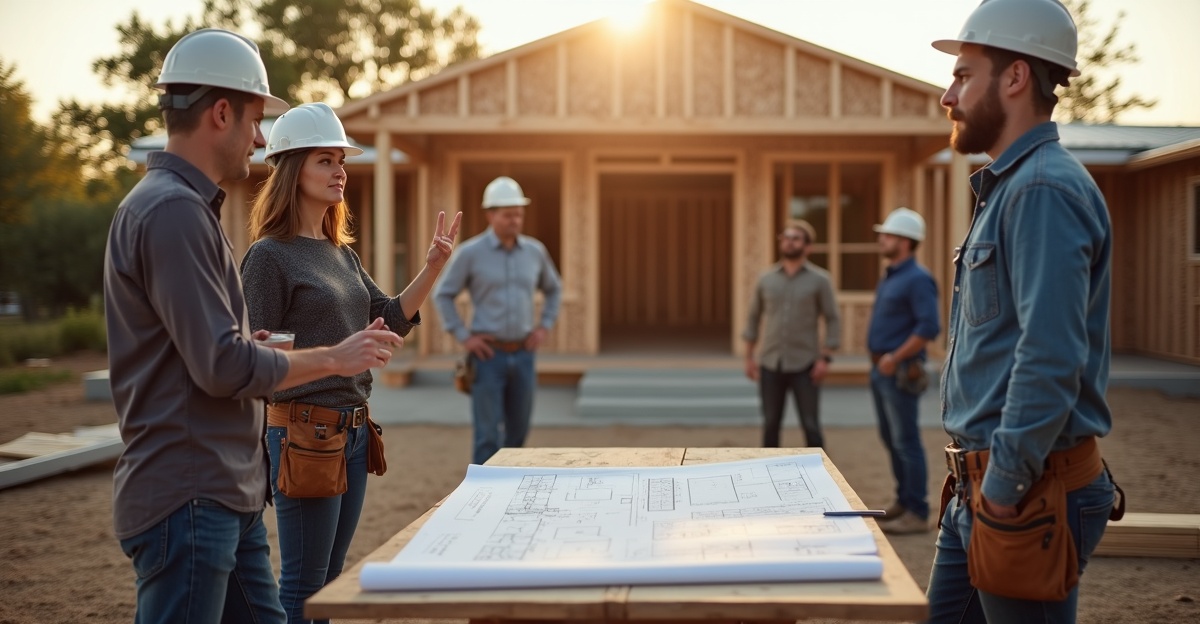
Understanding the difference between a general contractor vs custom home builder helps property owners choose the right structure for managing design, budgeting, and construction. We see this decision shape the entire experience of a project. Both roles oversee permits, subcontractors, schedules, and code compliance. A general contractor usually focuses on executing completed plans, while a custom home builder often works from early design coordination through final completion.
Key Takeaways
- A residential general contractor primarily manages construction execution after plans and specifications are finalized.
- A custom home builder is typically involved from concept through construction, coordinating with designers and architects during planning.
- Both roles manage subcontractors, inspections, budgets, and schedules, but their design involvement differs significantly.
- General contractors are often a strong fit for remodels, multifamily, or investor-driven projects with defined plans.
- Custom home builders are commonly better suited for fully custom homes that require detailed collaboration and ongoing client input.
Key Differences Between a Residential General Contractor and a Custom Home Builder
General contractor vs custom home builder is a comparison we hear often from Idaho Falls property owners planning a build within the next 6–12 months. The distinction matters because the structure of the working relationship directly affects cost control, communication, and how smoothly a project moves from idea to completion.
At the core, a residential general contractor typically manages the execution of construction. A custom home builder is often involved from concept through completion, including coordination with designers and architects during the planning phase.
In many markets, including Idaho Falls, some companies operate as both a residential general contractor and a custom home builder. The title may shift depending on the type of project and the level of involvement required.
Neither role is better by default. The right choice depends on the scope of work, the amount of customization involved, and how much guidance is needed during design. Comparing home builder vs contractor carefully helps avoid delays, miscommunication, and costly hiring mistakes.
What a Residential General Contractor Does
A residential general contractor is responsible for managing and overseeing the construction phase of a home or residential project. The role centers on execution. Once plans are complete, the general contractor brings the project to life in the field.
Core responsibilities typically include:
- Hiring and managing subcontractors such as excavation crews, framers, electricians, plumbers, HVAC installers, and finish trades.
- Coordinating the construction schedule and sequencing trades correctly.
- Pulling permits and coordinating required inspections in Idaho Falls.
- Overseeing jobsite safety and ensuring code compliance.
- Managing materials deliveries and on-site logistics.
Most residential general contractors work from completed architectural plans provided by the owner, architect, or developer. In investment or spec projects, they often receive predefined specifications and budgets.
Common project types in Idaho Falls include large remodels and additions, multifamily construction, and investor-driven builds. In these cases, the design decisions are usually made before the contractor mobilizes crews.
Compensation structures often fall into two models: fixed-price contracts or cost-plus agreements. In a fixed-price structure, the scope is clearly defined upfront. In cost-plus, the owner pays actual costs plus a fee for management.
Client involvement during early design tends to be limited unless pre-construction services are specifically included. The general contractor’s primary focus is delivering the agreed-upon plans efficiently, safely, and according to code.
What a Custom Home Builder Does
A custom home builder focuses specifically on designing and constructing one-of-a-kind homes for individual clients. The scope typically begins well before ground is broken.
Custom builders often engage during lot selection, feasibility analysis, and preliminary budgeting. We coordinate with architects and designers early, offering input on layout efficiency, structural considerations, material options, and long-term performance.
This role places strong emphasis on personalization. Floor plans, elevations, finishes, cabinetry details, and mechanical systems are often shaped through ongoing discussions between the builder and homeowner.
Fully custom homes built from scratch are the most common project type. High-end or detail-intensive residential builds also fall into this category. These projects require consistent communication and detailed documentation.
Quality is influenced by process, not claims. Effective custom home builders rely on:
- Structured project management systems
- Transparent budgeting
- Documented change orders
- Defined scheduling milestones
- Regular client meetings
These systems help maintain clarity as decisions evolve.
Again, some companies function as both a custom home builder and a residential general contractor. The distinction depends on how early they become involved and how much responsibility they carry during design and planning.
Home Builder vs Contractor: Scope, Involvement, and Best Fit
Understanding home builder vs contractor requires looking at scope and level of involvement side by side. While both roles overlap in execution, their starting point and depth of design participation differ.
| Category | Residential General Contractor | Custom Home Builder |
|---|---|---|
| Scope of Work | Construction management and execution | Design coordination through construction |
| Design Involvement | Minimal unless contracted for pre-construction | Collaborative and ongoing throughout planning |
| Best For | Remodels, multifamily, investor projects | Fully custom homes and detail-driven builds |
| Typical Client | Developers, investors, property owners with completed plans | Individual homeowners building a long-term residence |
| Contract Structure | Fixed bid or cost-plus | Cost-plus, fixed price, or design-build models |
There is meaningful overlap. Both manage subcontractors, permits, inspections, budgets, and timelines. Both are responsible for delivering a completed, code-compliant structure.
In Idaho Falls, successful projects depend heavily on coordination with local inspectors and reliable trade partners. Scheduling can shift due to weather, subcontractor availability, and material lead times. Whether operating as a general contractor or a custom home builder, strong local relationships help keep projects on track.
Clarifying general contractor vs custom home builder at the start aligns expectations. It defines who manages design decisions, who controls the budget during planning, and how changes are handled once construction begins.
How to Decide Which One Is Right for Your Project
Choosing the right structure starts with a realistic assessment of project goals.
If fully engineered architectural plans are already in hand and the primary need is build execution, a residential general contractor may be appropriate. This structure works well for owners comfortable with finalized drawings and defined specifications.
If guidance is needed from concept through completion on a fully custom home, a custom home builder may be a better fit. Early involvement allows better alignment between design goals and construction realities.
For multifamily or investor-driven developments, a GC-led structure is common. Speed, defined scope, and cost control during the build phase are often priorities.
If one point of accountability is preferred from design through the final walkthrough, consider a builder operating under a design-build model. That approach can reduce communication gaps between designer and contractor.
Before signing any agreement, we recommend asking clear questions:
- When do you typically get involved in the process?
- How do you handle budgeting and cost changes?
- What is your scheduling process?
- Who will be the primary point of contact during construction?
Property owners ages 30–65 building a primary residence or investment property usually value predictable timelines, clear documentation, transparent communication, and long-term durability. Those priorities should drive the selection process.
For those planning a project in Idaho Falls within the next year, a direct conversation helps clarify the right approach. Scheduling a consultation to review goals, budget expectations, and desired level of involvement often reveals whether a residential general contractor or a custom home builder structure makes the most sense for the build ahead.