
What Are the Benefits of Building a Custom Home Instead of Buying Existing?
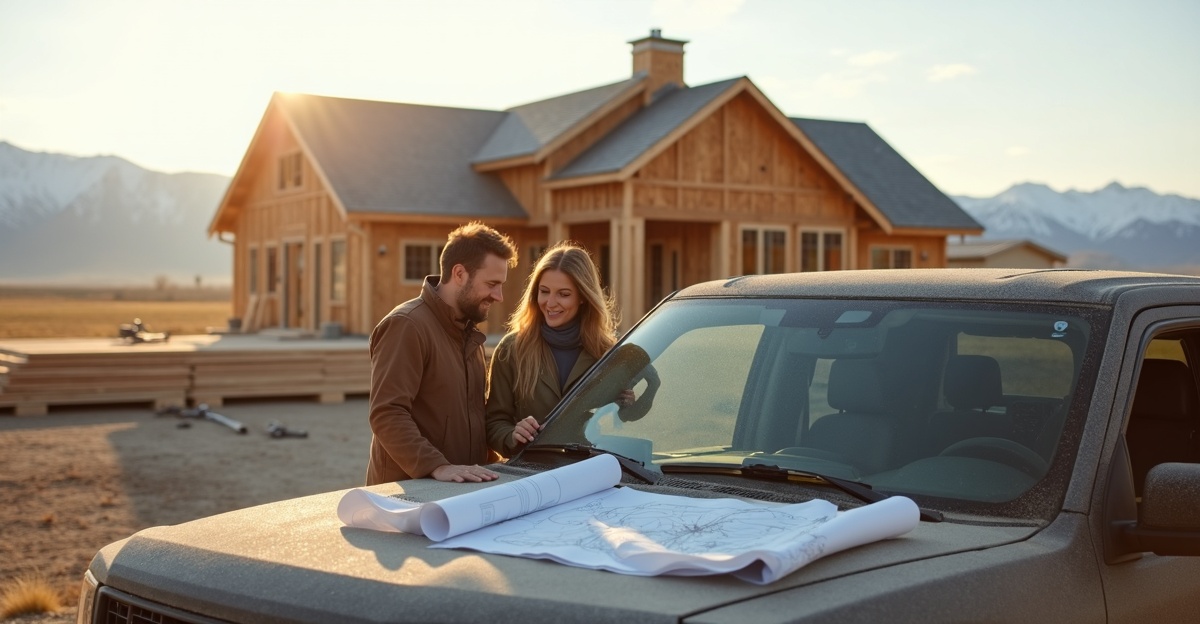
We see the difference between building custom and buying existing in three areas: control, performance, and long-term cost. We design and build homes that respond to Eastern Idaho’s climate, meet today’s building codes, reduce early repair risks, and match our land, budget, and long-range plans.
Key Takeaways
- Custom homes give us full control over layout, materials, energy performance, and lot orientation, which reduces the need for future renovations.
- New construction meets current structural, insulation, and safety codes, which lowers maintenance risks and improves efficiency.
- While upfront costs may run higher, predictable budgeting, warranties, and fewer repair expenses help balance long-term ownership costs.
- Building lets us plan for acreage, multi-generational living, larger garages, or outbuildings without the limitations of an existing structure.
- The trade-off for customization involves time and participation, since building requires a longer timeline than the faster move-in process of purchasing an existing home.
Building a Custom Home: Greater Control Over Design, Performance, and Long-Term Value
Building a custom home gives us full control over how the house looks, feels, and performs. We decide the layout, materials, finishes, ceiling heights, storage, window placement, and how the home sits on the lot. That control shapes how the house functions every day.
One of the primary benefits of building a custom home is freedom from compromise. Existing homes come with fixed floor plans. If we want an open-concept kitchen, larger mudroom, higher ceilings, or better traffic flow, we often have to renovate. Renovations add cost, time, and sometimes structural limits that cannot be changed without major work.
Custom construction also allows us to build for Eastern Idaho’s climate from the ground up. Winters are cold and long. A well-built custom home includes modern insulation standards, high-performance windows, efficient HVAC systems, and a tight building envelope. That translates to lower energy bills and more consistent indoor comfort.
Current building codes also matter. New construction meets today’s structural, insulation, and safety requirements. In an older home, we often do not know what is behind the walls. Wiring, plumbing, and framing may have been updated — or may still reflect standards from decades ago.
The decision between a custom home vs existing home should align with long-term plans. Customization is not about luxury for its own sake. It is about building a house that fits our lifestyle now and still works 15 or 20 years from now. That alignment supports long-term value and daily functionality.
Lower Long-Term Maintenance and Greater Cost Predictability
The purchase price tells only part of the story. Buying vs building a house involves looking at total cost of ownership, not just the initial number on paper.
Existing homes sometimes come with deferred maintenance. Roofs may be near the end of their service life. Plumbing and electrical systems may be outdated. Foundations can shift over time. Windows may draft. Each item adds potential repair costs shortly after move-in.
New construction reduces those early surprises. Major systems, appliances, roofing, and structural components are new and typically under warranty. That means fewer immediate repair expenses and greater confidence in performance.
Budget clarity also improves during a custom build when the project is structured correctly. We outline the scope of work. We review allowances for finishes. We coordinate subcontractors in advance. We document any change orders clearly. That process gives us predictable cost tracking throughout construction.
Upfront costs for new construction can be higher. Land, materials, labor, and permitting all factor in. However, older homes in competitive Idaho Falls neighborhoods sometimes involve appraisal gaps, unexpected inspection findings, and repair negotiations that shift the final cost. Those variables can narrow the price difference quickly.
Over a 10–20 year period, lower maintenance, improved efficiency, and fewer major system replacements often offset part of the initial investment in a custom home.
Building Around Your Land, Location, and Long-Term Goals in Idaho Falls
Idaho Falls and surrounding Eastern Idaho communities offer a mix of established neighborhoods and newer subdivisions. Each option provides advantages, but building gives us greater control over how we use the land.
Newer subdivisions often provide uniform infrastructure and modern layouts. Established neighborhoods typically offer mature landscaping and larger trees. When we build, we choose based on long-term priorities instead of accepting what is attached to an existing house.
Lot orientation significantly affects performance in Eastern Idaho. We can position the home for optimal winter sunlight. We can plan for snow management on driveways and walkways. We can account for prevailing winds and garage placement for daily convenience.
Custom construction also allows flexibility for:
- Acreage properties with outbuildings or shops
- Small-to-midsize multifamily development
- Homes designed for multi-generational living
- Larger garages or RV storage
When purchasing an existing home, compromises are common. The lot may be smaller than desired. The garage may lack capacity. Exterior layout limitations can restrict additions.
Property decisions should support long-term investment strategy. If we plan to stay for decades, building around our land and goals often makes more sense than choosing short-term convenience.
Realistic Timeline Comparison: Planning and Building vs Immediate Move-In
A custom home requires time and steady decision-making. The process typically follows a structured path:
- Pre-construction: Define goals, set a budget, and evaluate lots.
- Design and selections: Finalize floor plans, materials, and finishes.
- Permitting: Submit plans through local Eastern Idaho jurisdictions.
- Site preparation and foundation: Begin work after permit approval.
- Framing and mechanical systems: Move into structure, plumbing, electrical, and HVAC installation.
- Insulation, drywall, and finishes: Shape the interior and exterior details.
- Final inspections and walkthroughs: Complete the project.
From planning to completion, a custom home often takes several months to over a year depending on size, complexity, and weather conditions.
Buying an existing home allows faster occupancy. Once financing and inspections are complete, move-in can happen within weeks.
Building requires more involvement. We make material selections. We review plans. We approve changes. That responsibility demands attention and clear communication with the contractor. In return, we gain alignment between the finished product and our goals.
Patience plays a role. A longer timeline delivers a home configured for our lifestyle rather than one adapted after purchase.
Side-by-Side Comparison: Custom Home vs Existing Home
Key differences between custom home vs existing home decisions become clear when evaluated directly.
- Design control: A custom home allows full personalization of layout and finishes. An existing home offers a fixed structure that may require remodeling.
- Energy efficiency: New construction meets current building codes with updated insulation and mechanical systems. Older homes may include outdated infrastructure.
- Maintenance: New systems and warranties reduce early repair costs. Existing homes can involve immediate upgrades or replacements.
- Timeline: Building takes longer due to design, permitting, and construction phases. Buying offers quicker move-in.
- Upfront costs: Custom homes may require a higher initial investment. Existing homes can present lower purchase prices but may require renovation funds.
- Neighborhood factors: Building may place us in newer subdivisions or on raw land. Buying often positions us in established neighborhoods with mature landscaping.
Resale value depends on quality, layout efficiency, and market demand. Well-built custom homes with practical designs and strong energy performance generally compete well in the Idaho Falls market.
Building is not always the better option. For some, speed and lower upfront costs matter most. For others, long-term fit and performance carry more weight.
Common Questions About Buying vs Building a House in Idaho Falls
Cost differences often lead the discussion. Whether it is cheaper to build or buy depends on land prices, material costs, labor availability, interest rates, and the condition of available homes. In periods of low housing inventory, building can compare favorably. In other market cycles, existing homes may offer short-term savings.
Timeline also factors into the decision. A custom home in Eastern Idaho typically takes several months to complete after planning and design are finalized. Weather conditions and project size influence that schedule.
Resale value concerns are common. Custom homes built with practical layouts, efficient systems, and durable materials generally hold value well. Overimproving for the neighborhood or building highly specialized layouts can limit resale appeal. Balanced design choices help protect long-term equity.
Financing differs between options. Buying an existing home uses a traditional mortgage. Building often requires a construction loan that converts to a permanent mortgage after completion. That structure involves staged draws and additional documentation.
Every property decision depends on goals, budget, and timeline. A clear conversation with an experienced local contractor helps clarify trade-offs and define the right path based on specific circumstances.