
What Is a Turnkey General Contracting Service?
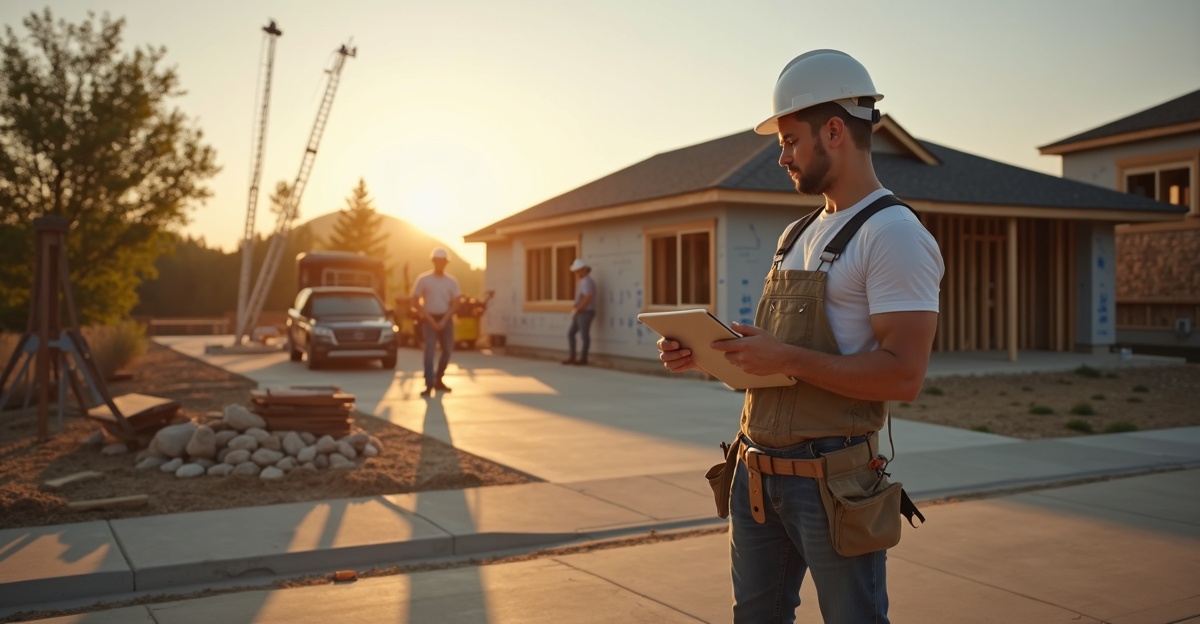
A turnkey general contractor means we operate under one contract, accept full accountability, and oversee every phase from pre-construction planning through final occupancy. In active projects, we control budgeting, permitting, subcontractor coordination, scheduling, inspections, documentation, and final handoff so we deliver a completed home or multifamily property ready for immediate use.
Key Takeaways
- A turnkey general contracting service centralizes responsibility under one contract from planning through final occupancy.
- We manage budgeting, permits, subcontractors, material procurement, inspections, scheduling, and documentation.
- Clear accountability reduces confusion because we assign one party full ownership of scope, coordination, and results.
- Structured communication, written change orders, and draw schedules create cost and timeline transparency.
- Local factors such as Idaho Falls permitting timelines, climate conditions, and subcontractor availability directly influence planning and sequencing.
What “Turnkey” Means in Real-World Construction Projects
A turnkey general contracting service means one contract and one accountable party managing the entire build from early planning through final handoff. We deliver a completed home or multifamily building that is ready for occupancy at the end of the process.
In day-to-day terms, turnkey construction means we coordinate the moving parts. That can include design input when needed, budgeting, permitting, subcontractor management, material procurement, inspections, scheduling, and the final walkthrough.
As a full-service general contractor, we act as the central point of communication. We don’t just coordinate labor. We manage project scope, documentation, cost tracking, sequencing, and execution. Those responsibilities are outlined in more detail in this overview of general contracting services.
General contractor responsibilities include:
- Pre-construction planning and feasibility review
- Cost estimating and budget alignment
- Subcontractor oversight and coordination
- Quality control and safety management
- Managing the draw schedule with lenders
- Scheduling inspections and closing out permits
In Idaho Falls, turnkey services must reflect local building codes, climate demands, and established subcontractor networks. Winter conditions, soil types, and regional inspection timelines all affect how we plan and sequence work.
Most important, turnkey creates clear accountability. If an issue arises, there is no confusion about who is responsible. We own the coordination and the outcome from start to finish.
How a Turnkey Project Works from Planning to Handoff
A turnkey structure reduces uncertainty early. We follow a defined sequence so owners understand what happens next and why.
Pre-Construction Planning and Budget Alignment
We start with site evaluation and feasibility. That includes reviewing lot conditions, utility access, zoning requirements, and access for equipment. In Idaho Falls, weather windows for excavation and concrete are part of that early planning.
Next comes preliminary budgeting. We align the scope with investment goals. That applies whether we are building a custom home or managing a multifamily construction project.
We develop a working budget that includes allowances. Construction allowances are set dollar amounts for items not yet selected, such as flooring, cabinets, or lighting. They give structure to the budget while allowing flexibility for final selections.
Transparency at this stage matters. We outline how material costs, labor rates, site conditions, and finish selections influence final pricing. If plans are already complete, we review them for cost efficiency. If design coordination is needed, we collaborate with architects while keeping constructability and budget in focus.
We also handle the Idaho Falls building permits process. In a turnkey model, we pull permits, submit documentation, and coordinate with building officials to ensure compliance with local standards.
Construction, Oversight, and Final Handoff
Once construction begins, sequencing becomes critical. We schedule trades in logical order—site work, foundation, framing, mechanical systems, insulation, drywall, finishes. In a regional labor market, subcontractor availability affects timing. Weather also plays a role, particularly in colder months.
Material procurement runs alongside scheduling. We order long-lead items early and track deliveries. If supply issues arise, we communicate options and pricing impacts before making substitutions.
Throughout construction, we provide structured communication. That includes regular updates, documented progress, and written change orders when adjustments are required. Payment milestones typically follow a draw schedule aligned with completed phases of work.
As the project nears completion, we conduct a final walkthrough. We address punch list items, confirm required inspections are closed out, and turn over warranties and relevant documentation. At handoff, the property should be complete and ready for occupancy.
Who Is Responsible for What? Clear Accountability from Start to Finish
In a turnkey general contractor model in Idaho Falls, we manage permits and inspections. We submit applications, schedule required inspections, and coordinate directly with local authorities.
We also manage daily site supervision, safety standards, trade coordination, and documentation. That aligns with the broader role of a general contractor on any significant build.
Property owners still carry important responsibilities. Those typically include:
- Approving finish selections within agreed allowances
- Authorizing budgets and formal change orders
- Securing and managing financing
- Making timely decisions to avoid schedule delays
Change orders deserve clear definition. A construction change order is a formal written modification to project scope, cost, or schedule. We price changes in advance and outline their timeline impact before proceeding with additional work. That protects both parties.
Delays are addressed with straightforward communication. Weather, material lead times, subcontractor scheduling, and inspection timing can affect progress. Structured project management reduces risk, but no contractor can eliminate every variable. We focus on transparency rather than promises we can’t control.
Final pricing is influenced by material cost shifts, owner-directed scope changes, allowance selections above budgeted amounts, and unforeseen site conditions. Clear documentation keeps the process organized and defensible.
Turnkey vs. Traditional General Contracting vs. Design-Build
A turnkey contract centralizes responsibility. Traditional general contracting can involve separate agreements between the owner and designers, with the contractor joining later to execute the build. In that structure, owners may coordinate more moving parts directly.
Turnkey reduces that fragmentation. One agreement governs the process, and we assume responsibility for coordinating consultants, trades, and inspections.
Design-build also combines design and construction under one contract from the beginning. In practice, there can be overlap between design-build and turnkey. The distinction is that turnkey may involve working from existing plans while still delivering a fully complete, ready-to-use project.
Each approach has trade-offs. Turnkey offers streamlined communication and consolidated accountability. Some owners, however, prefer direct involvement in managing design professionals or specific vendors.
Understanding these differences helps when comparing proposals. For those evaluating options, it also helps to understand the difference between a builder and contractor before committing to a structure.
Local Considerations in Idaho Falls Construction
Regional experience affects planning and outcomes. The Idaho Falls permitting process influences project timelines, especially during busy seasons. Review cycles and inspection scheduling must be built into the master schedule.
Climate plays a practical role. Cold weather conditions affect excavation timelines and concrete curing during construction. We plan foundation work and structural phases accordingly. Attention to structural framing sequencing is essential during colder months to protect materials and maintain schedule integrity.
Subcontractor availability in a regional market also influences pricing and sequencing. Established working relationships help with coordination, but they do not bypass regulatory requirements or inspection standards.
Experience with custom homes, townhomes, and apartment buildings in eastern Idaho supports realistic scheduling. Projects planned within the next 6–12 months should include early budgeting and permit coordination to secure a workable timeline.
How to Decide If a Turnkey Approach Fits Your Project
Turnkey construction works well for property owners who value clear accountability and structured oversight. It suits mid-to-high income homeowners building a custom home as well as investors planning townhomes or multifamily developments.
The approach also depends on the level of involvement preferred. Some owners want daily interaction with trades. Others prefer milestone approvals with defined decision points. Turnkey favors the latter while keeping communication steady and transparent.
Before selecting a contractor, key evaluation points should be addressed:
- How is project scope defined and documented?
- How is cost transparency handled, including allowances?
- What reporting structure is used during construction?
- How are change orders approved and tracked?
Reviewing what to ask before hiring a general contractor can help structure those conversations.
A direct discussion is often the clearest next step. We encourage prospective clients to schedule a consultation to review project goals, timeline expectations, and budget range. From there, we can determine whether a turnkey general contracting service aligns with the project’s scale, investment strategy, and long-term plans.
Frequently Asked Questions
A turnkey general contractor manages the entire construction process under a single contract. This includes planning, budgeting, permits, subcontractor coordination, scheduling, inspections, and final project delivery. The goal is to provide a fully completed home or building that is ready for occupancy. By centralizing responsibility, the contractor oversees every phase and ensures the project moves from planning to handoff with clear accountability.
A turnkey contractor typically takes responsibility for the entire project lifecycle under one agreement. Traditional general contracting often involves separate contracts with designers, architects, and builders, which the owner may coordinate. With a turnkey approach, the contractor manages those moving parts internally or coordinates them directly, reducing complexity and giving the property owner a single point of responsibility.
Turnkey construction is not automatically more expensive, but pricing depends on project scope, materials, labor, and site conditions. In many cases, centralized project management can reduce costly miscommunication or delays between trades. Because budgeting, scheduling, and procurement are coordinated by one contractor, owners often gain better cost visibility and fewer unexpected coordination issues.
A turnkey construction approach is useful when property owners want a streamlined building process with one accountable contractor. It works well for custom home projects, multifamily developments, and investors who prefer structured communication and milestone approvals rather than daily coordination with trades. Owners who value simplified project oversight often find turnkey contracting more efficient.
Before hiring a turnkey general contractor, ask how project scope, pricing, and change orders are documented. It is also important to understand how allowances are handled, how progress updates are communicated, and how inspections and permits are managed. Clear answers to these questions help ensure transparency, realistic scheduling, and a smooth construction process from planning through final handoff.