
What Happens During a Framing Inspection?
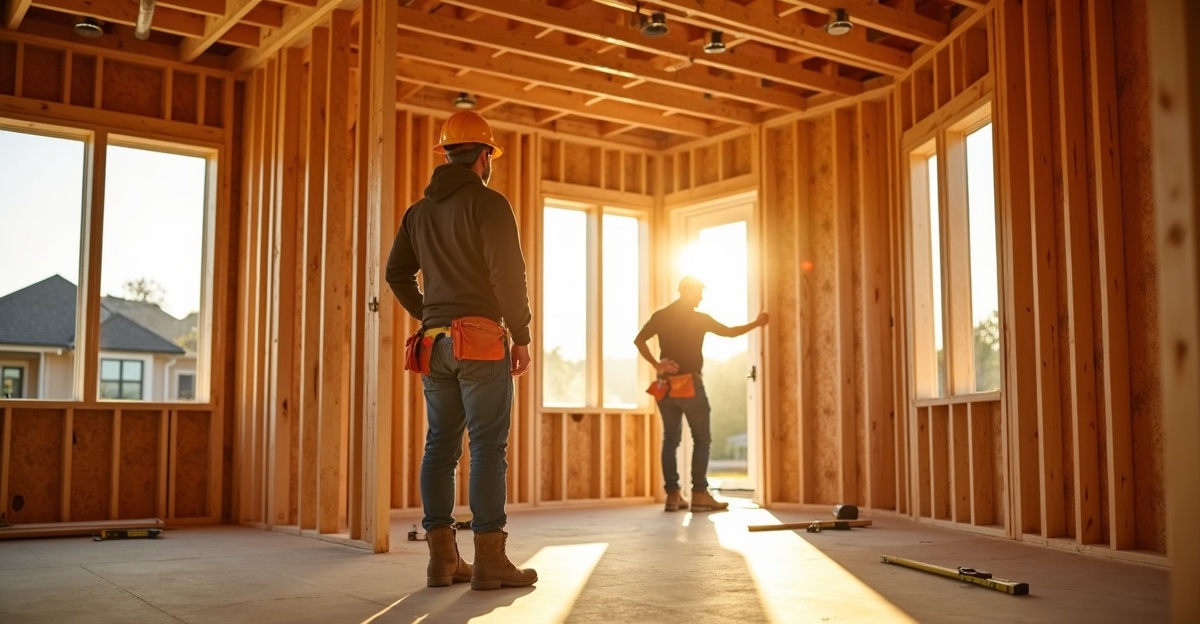
The framing inspection process begins once we complete the structural skeleton—walls, roof framing, floor systems, and rough openings—and leave everything exposed before we install insulation and drywall. At this stage, we confirm that the structure meets approved plans and Idaho code before we move forward. Our team reviews load paths, bracing, structural hardware, and fire blocking to ensure the building performs as intended. We treat this inspection as a critical checkpoint that protects the integrity of the entire project.
Key Takeaways
- The framing inspection takes place after we finish structural framing and before we install insulation or interior finishes.
- Inspectors confirm that load paths, shear walls, beams, headers, trusses, and fastening schedules meet code requirements and structural standards.
- We review fire blocking, draft stopping, stair framing, and rough openings to verify they meet safety rules and design specifications.
- Our general contractor schedules the inspection only after we verify that all framing components remain visible and align with the approved plans.
- If inspectors identify corrections, we resolve them promptly and secure approval before we proceed with insulation and drywall.
Where the Framing Inspection Fits in the Construction Inspection Timeline
The framing inspection process begins at a clearly defined point in construction. It takes place after framing, wall sheathing, roof structure, and rough openings are complete, but before insulation and drywall cover the structure.
At this stage, the building’s skeleton is fully visible. That visibility matters. Inspectors need open access to walls, floors, and roof framing to confirm everything is built according to approved plans and local code.
This applies to both a residential framing inspection and a multifamily framing inspection. Whether we’re building a single-family home or a large apartment building, the inspection occurs at the same structural milestone. All load-bearing components must be in place.
The framing inspection is one of the major checkpoints in the broader construction inspection timeline. Under Idaho framing inspection requirements, this review is mandatory. It is not a formality. It verifies structural integrity and code compliance before interior systems are enclosed and hidden.
Passing this inspection allows the project to move forward to mechanical rough-ins, insulation, and eventually drywall. Without approval, work pauses at the structural stage. That pause protects the long-term safety of the building and its occupants.
What Inspectors Look for in Framing: Structural Safety and Code Compliance
A structural framing inspection focuses on how weight moves through the building. Inspectors perform a load path and bracing inspection to ensure that roof loads transfer safely through walls and down to the foundation.
In simple terms, a load path is the route weight follows, as defined in HUD User guidance on continuous load paths in residential construction. If that route is interrupted or weak, the building can shift or settle. Shear walls and bracing help resist wind and seismic forces. Inspectors verify that these elements are correctly placed and properly fastened.
We cover these fundamentals in more detail in our article on how framing impacts build quality, but the inspection step is where that quality is formally verified.
Inspectors review:
- Beams and headers for correct sizing and proper placement.
- Shear walls for layout and approved nailing patterns.
- Roof trusses for proper connections and manufacturer-required hardware.
- Anchor bolts and hold-downs for spacing and fastening.
- Window and door rough openings for size, alignment, and structural support.
- Stair framing for correct rise, run, headroom, and support.
- Fire blocking and draft stopping to limit how quickly fire can travel inside concealed cavities.
Fire blocking deserves special attention under Fine Homebuilding fireblocking requirements. It consists of solid material installed between wall studs or at floor lines to slow the spread of flames and smoke. Inspectors confirm that these barriers are installed wherever required.
The overall goal is straightforward: confirm the structure matches the approved plans and complies with Idaho framing inspection requirements. Every fastener, connector, and support plays a critical role.
The Framing Inspection Checklist: Practical Details That Matter
A thorough framing inspection checklist covers the practical field details that determine whether a building performs as intended. Technical accuracy matters, but so do alignment, spacing, and attachment.
Inspectors typically review the following items:
- Stud spacing and vertical alignment.
- Floor joist sizing and spans, including proper attachment to beams or ledgers.
- Roof framing alignment and roof sheathing installation.
- Approved nailing patterns on shear walls and structural panels.
- Correct installation of engineered lumber, such as LVLs and structural beams.
- Proper hardware installation according to manufacturer specifications.
Each of these items ties back to the plans submitted to the local building authority, such as the Idaho Falls building department. Inspectors compare installed framing directly to approved drawings. If a beam size on site does not match the plan, it must be corrected.
Regional factors also influence this review. Snow loads in our area affect roof framing design, truss selection, and fastening schedules in accordance with ASCE 7 minimum design load standards. Idaho framing inspection requirements account for these local conditions. What passes in a mild climate may not pass here.
This checklist approach protects long-term durability and occupant safety. It also reduces the chance of structural movement, cracking, or connection failure in the future.
How the Inspection Is Scheduled and Who Is Responsible
The general contractor is responsible for requesting the framing inspection once the project is ready. We do not call for inspection until all structural elements are complete and accessible.
Everything must be exposed. Insulation cannot be installed, and mechanical systems should not block key framing connections. If work is incomplete, the inspector cannot conduct a full review.
The local building department, such as the Idaho Falls building department, schedules and conducts the inspection in accordance with the construction inspection timeline. Scheduling depends on workload and availability, so planning ahead is essential.
Clear communication helps avoid delays. Before requesting inspection, we verify that required hardware is installed, nailing patterns are complete, and approved plans are on site. That preparation reduces the likelihood of reinspection.
Multi-unit developments follow the same process. On large multifamily construction projects, coordination becomes even more important. One building may pass while another requires corrections. Careful sequencing keeps the project moving steadily.
This structured approach supports compliance with Idaho framing inspection requirements and helps maintain consistent progress through the inspection schedule.
What Happens If the Framing Inspection Fails
Understanding what happens if a framing inspection fails sets realistic expectations. A failed inspection does not automatically mean the structure is unsafe or beyond repair.
If an issue is identified, the inspector issues a correction notice. This document outlines specific items that must be addressed. Common examples include missing hardware, incorrect fastener spacing, or deviations from the approved plan.
Corrections must be completed before insulation and drywall begin. After resolving the items, the contractor schedules a reinspection with the building department.
Corrections are a normal part of construction. Even experienced crews can overlook a connector or misinterpret a drawing detail. What matters most is how quickly and professionally the issue is resolved.
Reputable contractors conduct internal walkthroughs before requesting inspection. We check fasteners, confirm beam sizes, and compare installed framing against the approved drawings. While this step reduces delays, final approval always rests with the inspector.
Why the Framing Inspection Is a Critical Quality-Control Step
A framing inspection is one of the most important quality-control steps in any construction project. It confirms that the structure aligns with approved plans and local codes before the walls are closed.
This oversight protects owners, developers, and future occupants. Issues discovered at the framing stage are far easier and less costly to correct than problems found after drywall and finishes are complete.
Compliance with Idaho framing inspection requirements confirms that the building meets established structural and safety standards in Idaho Falls and surrounding areas. That compliance supports long-term performance and sustained property value.
For those planning a custom home build or a new multifamily project in the next 6 to 12 months, this inspection represents a normal and necessary milestone. It signals that the structural phase is complete and ready for the next stage of construction.
We approach framing with a clear process and consistent oversight through every required inspection. Property owners who want clarity on their timeline and inspection steps can schedule a consultation with our team to review scope, milestones, and how inspections fit into the overall build from start to finish.
Frequently Asked Questions
The framing inspection process includes reviewing the structural skeleton before insulation and drywall are installed. Inspectors verify load paths, beams, headers, trusses, shear walls, fastener schedules, and fire blocking. They compare the built structure to approved plans and local building codes to confirm structural integrity, safety compliance, and correct installation of all visible framing components.
A framing inspection typically takes 30 minutes to a few hours, depending on the size and complexity of the project. Single-family homes are usually quicker, while multifamily buildings require more time. The inspector must review all structural connections, hardware, and bracing, so clear access and proper preparation can significantly reduce delays.
No, insulation and drywall must not be installed before the framing inspection is approved. Inspectors need full visibility of walls, ceilings, and structural connections. Covering framing elements too early can result in a failed inspection and require removal of finished materials, causing added costs and scheduling setbacks.
Common reasons include missing structural hardware, incorrect nail spacing on shear walls, improperly sized beams, or deviations from approved construction drawings. In some cases, fire blocking or draft stopping may be incomplete. Most failures are correctable, and once the required fixes are completed, a reinspection can be scheduled.
Yes, framing inspections are required for both residential homes and multifamily buildings under most local building codes. The inspection ensures that all load-bearing components meet structural standards before interior systems are concealed. While project size may vary, the inspection milestone occurs at the same stage in the construction timeline.