
How Long Does It Take To Build A Custom Home In Idaho?
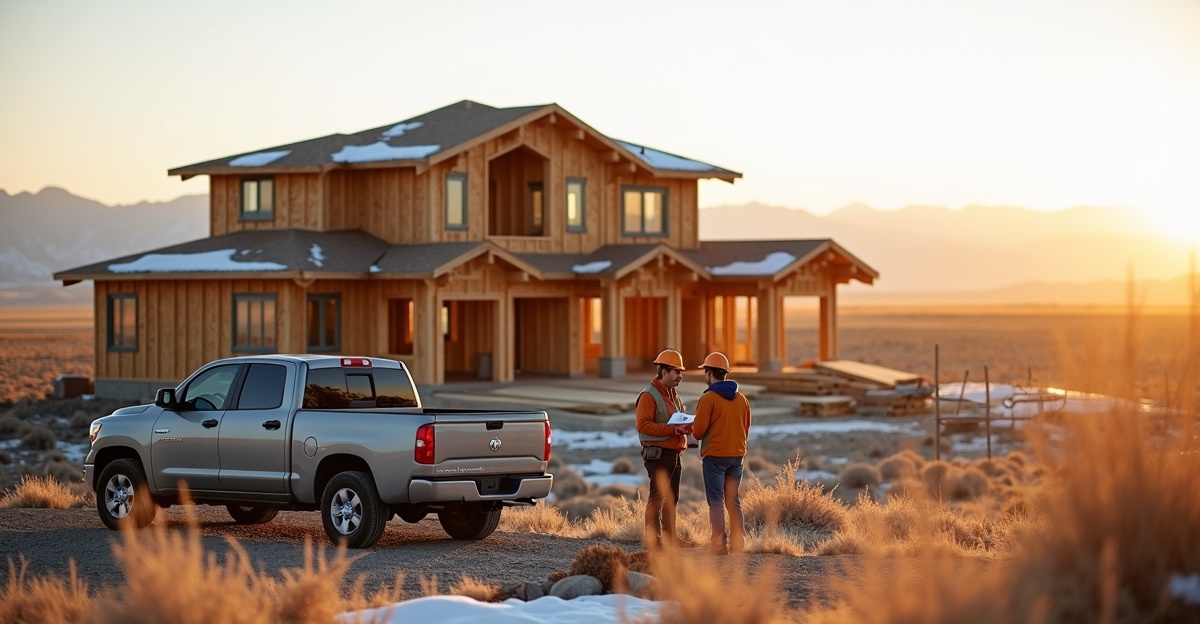
Building a custom home in Eastern Idaho usually takes 8 to 14 months from pre-construction to final inspection. We plan for variables such as scope, season, and decision timelines. As we research how long to build custom home projects in Idaho, we need to factor in pre-construction planning, permitting, weather patterns, material lead times, and change management. Each step directly influences the overall schedule.
Key Takeaways
- Most custom homes in Eastern Idaho take 8–14 months, with 2–4+ months in pre-construction and 6–10 months in active construction.
- Winter weather, permit backlogs, subcontractor availability, and material lead times often extend the schedule.
- Design complexity, square footage, and custom features heavily influence build duration.
- Early planning, complete documentation, and prompt selections keep trade sequencing on track.
- Owner decisions, financing readiness, and limiting mid-project changes play a critical role in maintaining momentum.
What Is the Average Build Time for a Custom Home in Eastern Idaho?
Building a custom home in Idaho Falls and surrounding Eastern Idaho communities typically ranges from 8 to 14 months from pre-construction through final inspection. That range reflects real-world conditions, not ideal scenarios.
Many people ask how long to build custom home projects in this region, and the honest answer is that it depends on planning, scope, season, and decision-making speed. The average build time for a custom home will vary based on square footage, architectural complexity, permit timelines, and how early selections are made.
We generally break the timeline into two main phases:
- Pre-construction: often 2–4+ months
- Active on-site construction: often 6–10 months
Those timeframes typically fall within those windows, but they are not guarantees. Winter weather, local permit processing, and subcontractor availability in Eastern Idaho all influence the overall home construction timeline. When we plan realistically from the beginning, we avoid preventable delays and maintain steady progress once construction begins.
Understanding the Full Home Construction Timeline in Idaho
Pre-Construction Planning and Budgeting (2–4+ months)
Pre-construction is often underestimated. In practice, it sets the pace for everything that follows.
This phase includes lot acquisition and site review, feasibility discussions, design development, architectural drawings, engineering, and structural review. During this stage, we also align scope and budget. If major adjustments happen later, the entire home construction timeline shifts.
Taking the time to confirm plans and budget before breaking ground leads to greater predictability once work begins.
Permitting and Approvals (2–6+ weeks)
Permit review in Idaho Falls and surrounding jurisdictions generally lasts between two and six weeks. At times, high building volume can extend that window. Municipal reviews may overlap with final design coordination, but we account for possible backlogs in the overall schedule.
After permits are in hand, we move into site work and building phases. The following stages typically progress in sequence:
- Site preparation and excavation (1–3 weeks): Clearing, grading, and coordinating utilities. Soil conditions in Eastern Idaho can vary and affect excavation pace.
- Foundation work (3–6 weeks): Forming, pouring, and curing concrete. Freezing temperatures require additional planning in colder months.
- Framing and dry-in (4–8 weeks): Structural framing, trusses, sheathing, roofing, and window installation. Material lead times for windows and trusses can influence this stage.
- Mechanical, electrical, and plumbing rough-ins (3–6 weeks): Coordinated trade scheduling and required inspections.
- Insulation and drywall (3–5 weeks): Insulation installation followed by hanging, taping, and finishing drywall.
- Interior and exterior finishes (8–14+ weeks): Cabinets, flooring, trim, paint, siding, masonry, and specialty features. Custom details extend this phase.
- Final inspections and walkthrough (2–4 weeks): Municipal approvals, punch list work, and certificate of occupancy.
Maintaining proper sequencing is critical. Each trade depends on the previous one being complete. When coordination is steady, progress remains consistent.
Key Factors That Influence the Average Build Time for a Custom Home
Several variables directly affect the average build time for custom home projects in Eastern Idaho.
Winter weather is a primary factor. Freezing temperatures can slow excavation and concrete curing. Exterior work becomes limited during peak winter conditions. Starting at the right time of year helps manage those constraints.
Permit backlogs also affect scheduling. Municipal review periods fluctuate depending on overall construction volume in the region.
Material lead times continue to influence timelines, especially for:
- Windows
- Trusses
- Specialty finishes or custom-ordered materials
Subcontractor scheduling plays a role as well. Skilled labor availability in the Idaho Falls area shifts seasonally. Coordinating framing, mechanical, drywall, and finish trades requires advance planning.
Design complexity makes a measurable difference. Larger footprints, vaulted ceilings, structural steel elements, and detailed finish work extend construction. Custom features take additional coordination and installation time.
Mid-project change orders impact sequencing. When changes occur after framing or rough-ins are complete, tasks must be adjusted or redone, which extends the home construction timeline.
Financing readiness and timely decision-making also matter. Delays in cabinet selections, flooring choices, or fixture approvals commonly slow the interior finish phase.
In most cases, delays result from planning gaps, scheduling gaps, or change management rather than a single isolated issue.
Why Pre-Construction Planning Has the Biggest Impact on Your Timeline
Pre-construction planning often determines whether a project finishes closer to eight months or stretches beyond fourteen.
We focus on aligning scope, budget, and expectations before excavation begins. Early selection of long-lead materials such as windows, cabinets, trusses, and specialty finishes prevents scheduling gaps later.
Clear documentation reduces confusion in the field. When plans are complete and coordinated, subcontractors can move in without hesitation. That consistency keeps trades flowing one after another without long pauses.
Thorough scheduling also reduces downtime between phases. If framing ends and mechanical crews are already scheduled, progress continues without unnecessary gaps.
This approach is about discipline, not speed. Years of building in Eastern Idaho have shown us that predictable timelines come from preparation and understanding local conditions. Solid pre-construction work protects both schedule and budget.
What You Can Do to Keep Your Project on Schedule
Homeowners play an important role in maintaining the schedule from start to finish.
Several actions make a measurable difference:
- Choose a builder early to establish a realistic timeline.
- Complete as many design decisions as possible before construction begins.
- Make interior finish selections on time during the build.
- Maintain organized financing and prompt payment processes.
- Communicate changes clearly and understand their scheduling impact.
- Consider seasonality before selecting a groundbreaking date.
Groundbreaking just before peak winter can shift portions of the build into colder conditions. Planning around Eastern Idaho weather patterns often leads to smoother progress.
Predictable projects result from preparation, coordination, and steady decision-making. Rushing a build rarely shortens the overall duration and often introduces avoidable setbacks.
Planning Your Custom Home Timeline in Idaho Falls and Eastern Idaho
Most custom homes in Eastern Idaho take between 8 and 14 months from initial planning through final inspection. Larger homes or properties with detailed architectural features may extend beyond that range.
Anyone planning to build within the next 6–12 months should begin the design and budgeting process now. Early discussions about lot conditions, utility access, desired move-in dates, and overall scope allow for more accurate scheduling.
We encourage in-person consultations to review property details and construction goals. Clear conversations at the beginning lead to realistic expectations throughout the project.
Curt Wells Construction approaches each project with steady planning and transparent scheduling. We focus on thoughtful preparation and consistent execution, providing homeowners in Eastern Idaho with clear guidance on how long to build custom home projects and what it takes to keep them on track.