
How Can You Avoid Construction Delays When Building a Home?
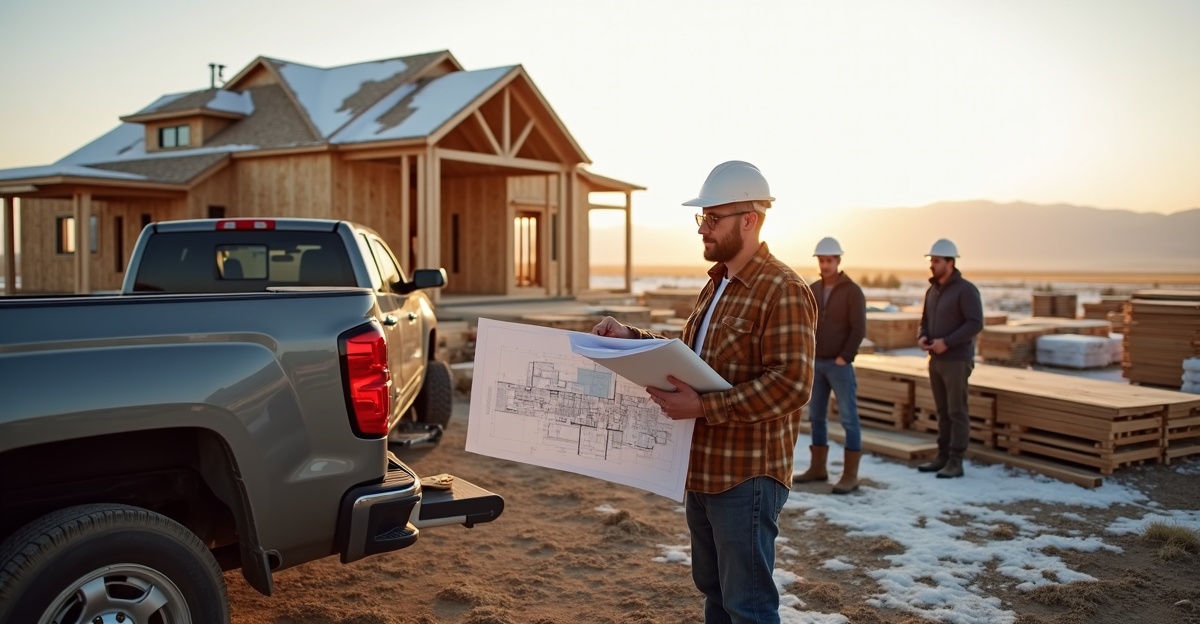
Building a home in Eastern Idaho demands disciplined planning and tight coordination. We prevent delays by addressing permitting timelines, seasonal weather, material lead times, and subcontractor availability from day one. Early planning keeps crews moving and costs controlled. By finalizing plans and selections upfront, ordering long-lead materials in advance, limiting change orders, and keeping communication clear, we protect the schedule and avoid setbacks that strain budgets.
Key Takeaways
- Complete architectural plans, engineering, material selections, and budget alignment before breaking ground.
- Order long-lead items early and confirm subcontractor schedules to prevent gaps between trades.
- Define the scope of work clearly and document all change orders before proceeding.
- Maintain structured communication with clear points of contact and written decision records.
- Build realistic timelines that account for inspections, seasonal weather, and supplier variability in Eastern Idaho.
The Most Common Causes of Home Construction Delays in Eastern Idaho
Avoiding delays starts with understanding what causes them. In Eastern Idaho, several predictable factors affect residential construction timelines.
Permitting and inspections often slow projects before or during construction. Local jurisdictions around Idaho Falls require plan reviews, issued permits, and staged inspections before work can proceed. If paperwork is incomplete or revisions are required, approvals take longer. Work must pause until inspections are complete.
Weather also plays a major role. Frozen ground limits excavation. Concrete placement suffers in sub-zero conditions. High winds affect framing and roofing. Winter scheduling constraints can shift timelines, especially for foundations and exterior work.
Material lead times remain a factor. Windows, engineered trusses, specialty finishes, and HVAC equipment often require advance ordering. Shortages or manufacturer delays can push installation dates weeks beyond original expectations.
Scope changes after construction begins create significant slowdowns. Each change order may require revised drawings, updated pricing, reordered materials, and inspection adjustments. Even small changes affect the sequence of work.
Incomplete selections create similar issues. Cabinets, flooring, plumbing fixtures, and lighting must be chosen before installation dates. Waiting on decisions stops progress.
Subcontractor coordination can also impact schedules in a busy regional market. Skilled trades are in steady demand across Eastern Idaho. Gaps between trades or overlapping crews lead to inefficiencies.
Poor communication between owner and contractor often ties these problems together. Missed messages, unclear approvals, or undocumented changes result in confusion and lost time.
While many delays can be avoided, not every variable can be eliminated. Weather, inspections, and supply chain disruptions remain outside direct control. The role of an experienced builder is to plan carefully and reduce preventable setbacks.
Thorough Pre-Construction Planning Sets the Pace for the Entire Build
Efficient construction planning establishes the schedule long before ground breaks. Most preventable delays originate during the planning phase, not during framing or finish work.
A disciplined pre-construction process includes:
- Finalized architectural plans and engineering. Incomplete drawings create questions in the field. Clear plans reduce guesswork and limit revisions later.
- Completed material selections before excavation begins. Choosing cabinets, flooring, tile, plumbing fixtures, and lighting early keeps suppliers aligned with the schedule.
- Clear project specifications and a documented scope of work. Every finish level, allowance, and responsibility must be defined in writing.
- Budget alignment with current material and labor pricing. Outdated pricing assumptions force redesigns mid-project.
- A realistic timeline built around seasonal factors in Idaho Falls. Winter starts require different sequencing than summer builds.
These strategies reduce construction delays because they remove uncertainty. Decisions made early cost less time and less money.
A steady, process-driven approach avoids unrealistic completion dates. Instead, schedules are built on experience with local permitting timelines, weather patterns, and subcontractor availability. Consistent planning creates predictability.
Proactive Material Ordering and Subcontractor Scheduling
Material procurement and subcontractor sequencing directly affect whether a project stays on track.
Effective systems include:
- Early ordering of long-lead materials such as windows, doors, trusses, and HVAC equipment.
- Confirmed delivery schedules before installation dates are locked in.
- Sequenced subcontractor scheduling that prevents trade overlap or idle days.
- Built-in scheduling buffers for inspections and seasonal weather interruptions.
Eastern Idaho maintains a strong construction market. Qualified electricians, plumbers, HVAC contractors, and framers often schedule weeks or months ahead. Early coordination prevents availability issues later.
Supply chain disruptions can still occur. Manufacturers sometimes adjust production timelines without notice. Weather affects shipping. However, proactive ordering significantly reduces exposure to those risks.
Careful sequencing also limits downtime. Excavation must finish before foundation work begins. Mechanical rough-ins must be completed before insulation and drywall. Organized scheduling keeps each trade moving efficiently.
Clear Contracts, Defined Scope, and Controlled Change Orders
Vague agreements almost guarantee delays. When scope is unclear, disagreements follow. Clarification consumes time and interrupts momentum.
Every project should include a clearly defined scope of work. Specifications must outline materials, finishes, and performance standards. Allowances should reflect realistic market pricing.
A written change order process is essential. Each modification should document cost impact and timeline adjustments before work proceeds. That transparency prevents surprises.
Frequent mid-project changes remain one of the most common causes of extended build times. Even small revisions may affect framing layouts, mechanical routing, cabinetry dimensions, or inspection approvals.
One of the most effective strategies to reduce construction delays is minimizing scope changes once construction begins. Finalizing decisions during pre-construction protects the schedule later.
Defined Communication Systems and Shared Responsibilities
Structured communication keeps projects organized. Informal updates and scattered messages often lead to missed details.
Scheduled progress updates provide status reports, upcoming decision reminders, and inspection notifications. Each project benefits from a clear primary point of contact to simplify communication flow.
Documented decisions prevent confusion and protect both parties.
Responsibilities should remain clearly defined:
- The contractor manages scheduling, subcontractor coordination, inspections, and quality control.
- The owner provides timely decisions, completes selections as scheduled, and approves documented changes promptly.
Poor communication between owner and contractor frequently leads to avoidable setbacks. Clarifying expectations early helps prevent construction delays throughout the build.
Realistic Timelines: What Can and Cannot Be Controlled
Building in Eastern Idaho requires practical expectations.
Weather-related slowdowns are inevitable during winter months. Inspection timing depends on municipal workloads. Supplier backorders sometimes occur without warning.
Custom home construction timelines vary based on size, design complexity, site conditions, and finish level. A modest home with straightforward architecture will move faster than a large custom design with specialty features. Seasonal start dates also influence duration.
While no responsible contractor guarantees exact completion dates months in advance, careful planning substantially improves predictability.
Frequently Asked Questions
What causes the most delays in custom home construction?
Incomplete planning, frequent change orders, long-lead materials, and communication breakdowns consistently top the list. Weather and inspections also contribute, though those are less controllable.
How long should a custom home build take in Idaho?
Timelines vary widely depending on size, complexity, weather, and permitting. Smaller custom homes may take several months, while larger or highly detailed projects can extend longer. A realistic schedule should reflect design, season, and material availability rather than an optimistic estimate.
No contractor can eliminate every delay. Still, a steady, transparent, and process-focused approach significantly reduces risk. Careful planning, proactive ordering, defined communication, and disciplined scope control protect the schedule from unnecessary disruption.
Scheduling a consultation to review specific project goals and timelines allows risks to be identified early. A structured planning meeting helps create a build schedule aligned with site conditions and expectations in Eastern Idaho.