
How Do You Plan A Custom Home Build From Start To Finish?
The assistant output incorrectly echoed instructions. We need to provide HTML conversion of the provided user text only, without extra sentences. Ensure first sentence is paragraph not heading. Convert markdown headings and lists. Remove trailing two spaces line breaks. Provide valid HTML only. Let’s deliver.
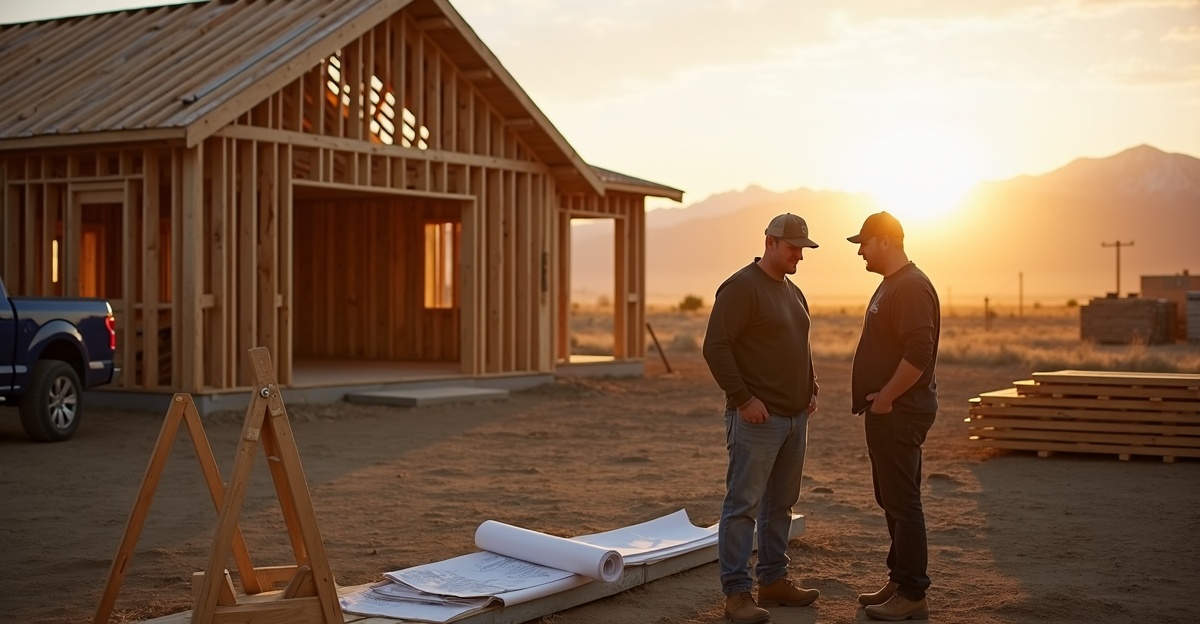
Planning a custom home build from start to finish demands a clear grasp of every phase in the custom home building process, from feasibility and design through permitting, construction, and the final walkthrough. We guide projects across Eastern Idaho where timelines, site conditions, budgeting, subcontractor coordination, and weather directly shape how smoothly a home moves from concept to move-in day.
Key Takeaways
- The custom home building process follows defined stages: planning, design development, permitting, construction, and final inspections.
- Early feasibility reviews of lot conditions, utilities, zoning, and budget alignment reduce change orders and delays later.
- Design decisions, material selections, and client approvals directly affect both the construction schedule and overall cost.
- Permitting timelines and material lead times can influence pre-construction progress, especially in Idaho Falls and nearby communities.
- Clear role definition between homeowner and builder supports steady scheduling, quality control, and efficient project closeout.
What the Full Custom Home Building Process Looks Like in Idaho Falls
The custom home building process moves through a series of defined stages, starting with the first meeting and ending with the final walkthrough. Each stage builds on the one before it. Clear planning and steady communication keep the project on track.
In Eastern Idaho, a typical high-level home building steps timeline looks like this:
- Planning and design generally take 1–3 months. Larger or more detailed homes can take longer, especially if revisions are involved.
- Permitting and approvals often take several weeks to a few months, depending on the jurisdiction in Idaho Falls or nearby communities.
- The construction phase commonly lasts 6–12+ months. Size, finish level, weather conditions, material lead times, subcontractor coordination, and client-driven changes all influence that schedule.
Every project is different. A modest single-level home on a flat lot will move differently than a large custom home on a sloped lot with specialty finishes. Local weather in Eastern Idaho can also affect excavation, concrete curing, and exterior work.
Responsibilities are shared throughout the build.
Client Responsibilities
- Defining the vision and priorities
- Confirming a realistic budget and financing
- Making selections on time
- Approving plans and change orders promptly
Builder Responsibilities
- Creating and managing the custom home construction schedule
- Coordinating subcontractors
- Handling inspections
- Maintaining quality control
- Communicating clearly at each milestone
When both sides understand those roles, delays and cost overruns are far less likely.
Initial Planning and Feasibility: Defining Scope, Budget, and Priorities
The project begins with feasibility. Before floor plans are finalized, we evaluate the lot and confirm the project makes sense from a cost and construction standpoint.
In Idaho Falls and surrounding areas, we review:
- Site access for equipment and deliveries
- Soil conditions and potential excavation challenges
- Utility availability (city sewer and water or well and septic)
- Setbacks and zoning restrictions
- HOA requirements, if applicable
A sloped lot may require retaining walls or additional foundation work. Rural parcels may require well drilling and septic system design. These factors directly affect both pricing and schedule.
At this stage, we also define project goals and clarify:
- Approximate square footage
- Desired layout and number of stories
- Architectural style
- Energy efficiency goals
- Expected durability and long-term performance
Budget conversations happen early and honestly. We do not provide unrealistic fixed guarantees before design is developed. Instead, we use current local market data and scope discussions to outline a probable investment range.
Financing must be confirmed before detailed design moves forward. Lenders require specific documentation and appraisals, so understanding financial capacity upfront prevents costly redesigns later.
The key decision point occurs here: the vision must align with the budget. Addressing constraints—lot slope, utility limitations, excavation needs—at the beginning significantly reduces change orders during construction.
Design Development and Preliminary Pricing
With feasibility confirmed, design development begins. This stage involves collaboration between the homeowner, builder, and either a designer or architect.
Concept sketches evolve into detailed construction drawings. Floor plans are refined, elevations are approved, and structural components are engineered where required.
As details sharpen, we align design decisions with the custom home construction schedule and overall investment target. Larger spans, complex rooflines, custom windows, or specialty finishes all affect both cost and duration.
Client Responsibilities During Design
- Selecting and approving floor plans
- Confirming elevations and exterior materials
- Making early finish selections where possible
Builder Responsibilities During Design
- Providing cost feedback as selections are made
- Identifying constructability concerns
- Coordinating engineers and consultants
- Advising on efficiencies that preserve design intent
Preliminary pricing is typically updated several times during this phase, with each revision improving accuracy.
While design revisions can extend planning, making thoughtful adjustments here prevents larger issues during construction. Changes on paper are significantly faster and less expensive than changes after framing or mechanical rough-ins.
Permits, Approvals, and Pre-Construction Preparation
Once construction drawings are complete, we submit them for approval. Requirements vary slightly between Idaho Falls and nearby communities, but the overall process remains consistent.
Typical approvals include:
- Zoning and land use review
- Plan review for building code compliance
- Building permit issuance
- Separate trade permits for electrical, plumbing, and mechanical systems
The permitting timeline can range from several weeks to a few months. Backlogs, project complexity, and requested revisions all influence approval speed.
While waiting on permits, we prepare for construction by:
- Finalizing material selections
- Confirming subcontractors
- Ordering long-lead items such as windows or specialty fixtures
- Locking in portions of the custom home construction schedule
Common delays during this phase include material backorders, inspection scheduling limits, and change orders after permits are submitted. Changes at this stage may require resubmittals, directly affecting the overall home building steps timeline.
Strong familiarity with local permitting procedures helps avoid preventable setbacks. Accurate submittals and established relationships with inspectors make a measurable difference in keeping pre-construction on track.
Construction Milestones: From Groundbreaking to Interior Finishes
After permits are issued, construction begins in a structured sequence. Organization at this stage largely determines whether the schedule remains steady.
Site Preparation and Structural Work
The first major milestone is site preparation. Crews complete excavation, grading, and foundation work. Utility connections or trenching often occur simultaneously.
Weather plays a significant role in Eastern Idaho. Cold temperatures can affect concrete curing and excavation. Planning foundation pours and exterior work carefully during colder months helps prevent avoidable setbacks.
Framing follows the foundation. The structure takes shape quickly at this stage. Roof systems, windows, and exterior sheathing are installed, and required structural inspections occur before proceeding.
Mechanical Systems and Interior Finishes
Once the structure is complete and dried in, mechanical, electrical, and plumbing trades begin rough-in work. Coordination is critical. Conflicts between ductwork, plumbing lines, and framing must be resolved before insulation and drywall installation.
After rough-ins and inspections, insulation and drywall are installed. Interior finishes then progress in stages:
- Cabinetry and built-ins
- Trim and interior doors
- Flooring
- Paint
- Fixtures and appliances
- Exterior siding, masonry, and final site grading
Subcontractor coordination heavily influences the home building steps timeline. Each trade depends on the previous one. Careful scheduling and consistent supervision keep work flowing without unnecessary downtime.
For most custom homes in Eastern Idaho, the construction phase lasts 6–12+ months. Larger homes with high-end finishes or specialty features can extend beyond that range.
Final Inspections, Walkthrough, and Project Closeout
As construction wraps up, required inspections take place. Local authorities review structural elements, electrical systems, plumbing, HVAC, and other code-related components before issuing occupancy approval.
Next, we create a punch list—a documented list of minor adjustments or corrections identified before move-in. Items may include paint touch-ups, trim adjustments, or hardware alignment.
During the final walkthrough, we review:
- Operation of HVAC systems
- Electrical panel layout
- Plumbing shutoff locations
- Appliance usage
- Warranty documentation
- Routine maintenance expectations
Warranty coverage and post-completion service procedures are explained clearly. Homeowners need to understand what is covered, how to submit concerns, and what general maintenance is required.
Strong communication during closeout ensures expectations are fully met. Questions are addressed promptly, and small corrections are handled efficiently.
Homeowners planning a custom home in Idaho Falls or the broader Eastern Idaho region benefit from early consultation. A scheduled meeting allows us to review project scope, confirm budget alignment, and outline a realistic custom home construction schedule based on specific goals and site conditions. Clear planning from the beginning leads to a smoother, more predictable custom home building process from start to finish.