
What Is The First Step In Building A Custom Home?
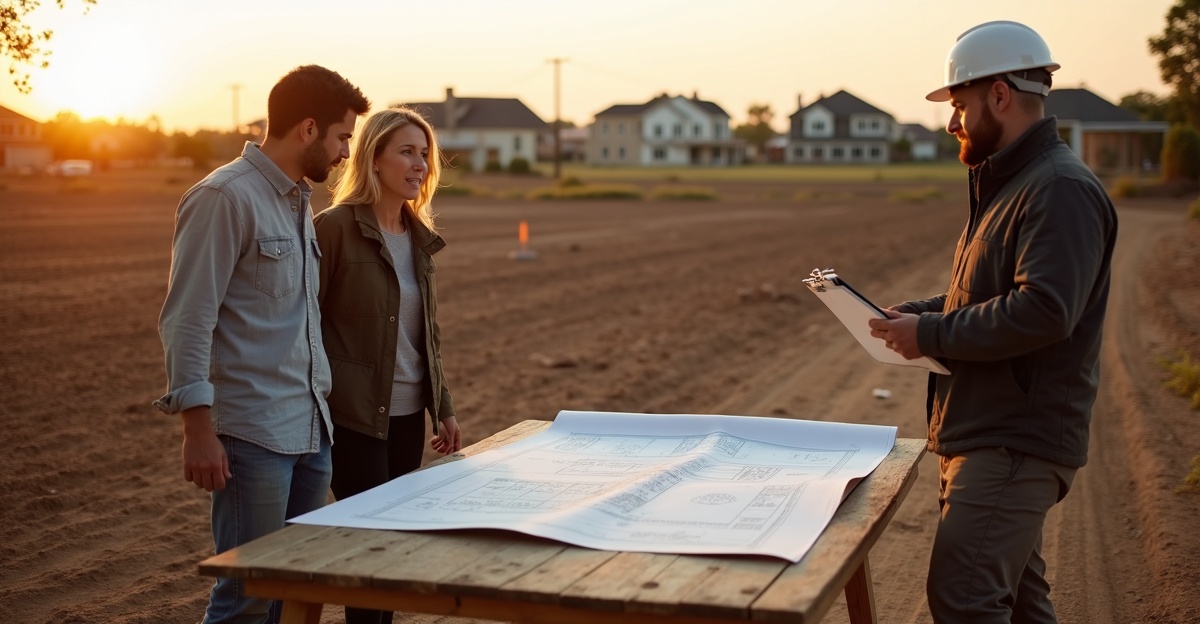
Building a house starts with clear direction. We define our goals, set a realistic budget range, and confirm financing readiness before any design or site work begins. In a custom home project, this early clarity drives land selection, design scope, lender approval, and builder discussions so every decision supports the vision from concept through construction.
Key Takeaways
- Define the home’s purpose, size range, must-have features, and timeline before moving into design.
- Secure construction loan pre-approval and confirm financing details before excavation or major commitments.
- Evaluate land feasibility, including utilities, soil conditions, zoning, and total site development costs.
- Speak with a builder early to align budget, expectations, and realistic timelines before finalizing plans.
- Move into conceptual design and preliminary pricing only after goals, budget, financing, and site constraints are clearly established.
The Real First Step: Define Your Goals, Budget, and Financing Readiness
The first step building a house is not drafting plans or pouring concrete. It begins with clearly defining goals, budget range, and financing readiness.
Too many projects stall because these decisions happen too late. Clear direction at the start keeps the entire process steady.
Goals come first. We need to define what we’re building and why. Is this a primary residence or a second home? Is the plan to stay long-term, or does resale value matter in the near future? Are we building a single-family home or exploring a multifamily setup?
Purpose drives layout, size, finish level, and overall investment strategy.
We also need direct answers to a few practical questions:
- What is the target square footage range?
- Which features are must-haves, and which are upgrades?
- What is the desired timeline?
In Idaho Falls, many clients begin planning 6–12 months before they want to move in. That allows time for design, permitting, and seasonal construction factors.
Financing readiness must happen before any major commitments. That means speaking with a lender, securing construction loan pre-approval, and understanding down payment and draw requirements. Lenders operate on strict timelines. Underwriting takes time. Appraisals must align with construction costs.
A common misconception is that construction can begin before financing is finalized. It should not. Building without confirmed financing creates risk for everyone involved. Funds must be secured before excavation starts.
Budget clarity influences every decision in the custom home process steps that follow. It affects:
- Land selection
- Size and scope of design
- Structural systems
- Finish materials and fixtures
If financial boundaries are not defined first, redesigns and delays become likely. When people ask how to start building a house, this is the correct starting point.
Evaluate Land and Site Feasibility Before Designing
Land status changes the entire approach.
Some already own property. Others are still searching. In both cases, we must confirm buildability before investing in complete architectural plans.
If land is not yet purchased, build feasibility should guide the decision. Buying first without due diligence can create major cost surprises.
In Idaho Falls and surrounding areas, site conditions vary significantly. Utility access is one of the first items we evaluate. In-town lots often connect to city water, sewer, power, and gas. Rural parcels may require wells and septic systems. Both are workable, but costs differ.
Soil conditions also matter. Certain areas may require geotechnical testing, engineered foundations, or over-excavation. Those costs directly affect structure design and foundation type.
Setbacks, zoning regulations, and HOA requirements must also be confirmed. These may limit square footage, height, rooflines, or exterior finishes.
Weather plays a role as well. Excavation and foundation work are affected by frost depth and seasonal ground conditions. Scheduling must account for these realities.
Many ask whether they should buy land first. Purchasing land can be the right move, but only after evaluating total development cost. The land price is just one part of the investment. Development expenses may include:
- Site clearing and grading
- Driveway length and access
- Utility trenching
- Septic installation
- Drainage improvements
These items can significantly impact the total build budget. Early site review protects the financial clarity established in the first step building a house.
Have an Early, Informed Conversation With a Builder
Once goals, budget range, financing readiness, and land status are reasonably defined, it’s time to speak with a builder.
Preparation makes that conversation productive. Before meeting, gather:
- A realistic budget range
- The land address or listing information
- A wish list and approximate size
Budget range matters more than asking, “What does it cost per square foot?” Cost per square foot varies widely based on layout complexity, infrastructure requirements, and finish level. A defined investment range allows for meaningful guidance.
Another misconception is that architectural plans must be completed before contacting a builder. Early builder input often prevents expensive design revisions later. Structural cost drivers, foundation considerations, and layout efficiencies can be identified before drafting progresses too far.
Experienced contractors also provide grounded input on timelines, permitting expectations, and construction sequencing in the Idaho Falls area. City and county permitting timelines can differ significantly. Weather windows must also be considered.
This conversation is not about sales pressure. It is about feasibility and alignment. It confirms whether vision and budget remain in sync before design costs increase.
Move From Conceptual Design to Preliminary Pricing
Conceptual design should begin only after budget and land constraints are clear. At this stage, ideas become scaled drawings.
Home size affects cost, but layout complexity matters just as much. Multiple rooflines, large spans, and intricate structural details increase framing and engineering requirements. Simpler forms typically build more efficiently.
Major cost drivers generally include:
- Total square footage
- Site work and infrastructure
- Structural complexity
- Finish level such as cabinets, flooring, and fixtures
Preliminary pricing during this phase is a range, not a final contract price. Material selections, engineering details, and market conditions still influence final numbers.
This stage is one of the most important custom home process steps because it validates financial alignment. If conceptual pricing exceeds the defined budget range, adjustments should happen immediately. That may mean modifying square footage, simplifying rooflines, or refining finish selections.
Making corrections during design protects both time and money. Waiting until permits are submitted or construction documents are finalized increases revision costs.
Finalize Plans, Secure Permits, and Confirm Schedule
Once design and pricing remain aligned, final construction drawings can move forward. These typically include structural details, elevations, specifications, and required engineering.
Depending on location, engineered trusses, energy calculations, or soil reports may be necessary.
Permits must be submitted to the appropriate jurisdiction. In Idaho Falls, timelines vary between city and county offices. Review periods are influenced by workload and project scope.
Weather also affects scheduling. Excavation and foundation phases must account for frost depth and seasonal conditions. Building schedules should reflect realistic conditions, not optimistic assumptions.
Construction should not begin until financing is fully approved and permits are officially issued. Starting early to “save time” often creates larger delays later if approvals are incomplete.
Realistic scheduling protects both client and builder. Clear communication and defined milestones create stability throughout the build.
Preparing for a Productive Consultation
Before scheduling a consultation, preparation improves clarity. We recommend gathering the following:
- Defined goals and overall vision
- Budget range and financing status
- Land ownership details or property listing
- Desired timeline
The correct sequence for how to start building a house follows a steady path:
Vision → Budget and Financing → Land Feasibility → Builder Conversation → Conceptual Design → Detailed Pricing → Permitting → Construction
Skipping early steps often leads to redesigns, cost increases, or scheduling setbacks. A steady, disciplined approach reduces stress and improves decision-making.
When these items are prepared, the next step becomes straightforward. Schedule a consultation with complete information in hand. That conversation will provide clear direction and confirm the most practical path forward.