
What Should You Check Before Hiring A Framing Contractor?
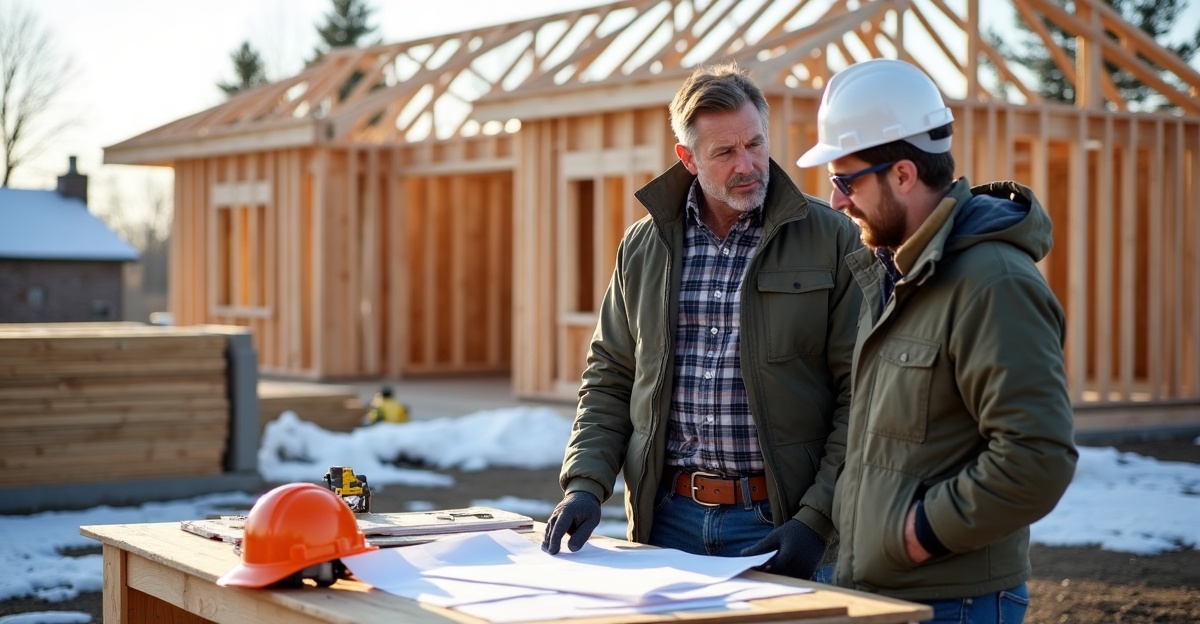
Hiring framing contractor services demands a disciplined review of licensing, insurance, local building codes, crew reliability, and scheduling practices to avoid structural defects and expensive delays. We confirm Idaho Falls snow load compliance, inspection readiness, quality control standards, and a detailed written bid before we commit to any agreement. A clear scope supports precise layout, proper bracing, and dependable project timelines.
Key Takeaways
- Verify active licensing or registration, general liability insurance, and workers’ compensation coverage before signing a contract.
- Confirm proven experience with your specific project type and working knowledge of Idaho Falls snow load, wind exposure, frost depth, and moisture control code requirements.
- Evaluate crew consistency, in-house labor practices, and clearly defined on-site supervision to ensure accountability from start to finish.
- Review scheduling capacity, projected timelines, and the contractor’s system for coordinating trades and managing change orders efficiently.
- Compare detailed bids for clarity of scope, specified materials, engineered bracing methods, inspection preparation, and documented quality control standards.
Why Framing Decisions Carry Long-Term Structural and Scheduling Consequences
Framing sets the structural backbone of a building. Every trade that follows depends on it being straight, square, and built to plan.
Poor framing affects structural integrity, inspection approvals, trade coordination, and long-term durability. If walls are out of plumb or layouts are off by even a small margin, plumbing lines miss their cavities, electrical runs require changes, and drywall crews waste time correcting uneven surfaces. Roofing suffers as well. Incorrect truss placement or inadequate bracing can delay dry-in and create future performance issues.
We have seen how early framing mistakes ripple through a schedule. Improper bracing often fails initial inspection, forcing crews to stop while corrections are made. Inaccurate window or door rough openings delay installation, which in turn postpones exterior finishes. These setbacks increase labor costs and strain trade relationships.
Hiring framing contractor teams with proven field discipline protects timelines and supports predictable project completion. Proper layout, verified measurements, and consistent bracing reduce change orders and avoid unnecessary callbacks.
In Idaho Falls, environmental conditions add another layer of responsibility. Snow load requirements place serious demands on roof structures. Climate shifts create expansion and contraction stress. Moisture management is critical during cold seasons, and frost depth affects sill plate anchoring and foundation connections. Local inspectors enforce strict code compliance related to wind exposure, uplift resistance, hardware specifications, and load calculations. A framing contractor must understand these local standards from the start.
Strong framing protects the investment. It keeps the build on schedule and supports the durability that owners expect for decades.
Licensing, Insurance, and Idaho Falls Code Compliance
Qualifications should never be assumed. We always verify that a framing contractor’s state registration or licensing status is active and in good standing. Even where state licensing standards vary, proof of compliance demonstrates professionalism and accountability.
Insurance coverage is equally important. Every contractor should carry general liability insurance and workers’ compensation coverage for their crew. Without this protection, owners and general contractors may be exposed to unnecessary financial risk if an accident occurs.
Local code knowledge makes the difference between smooth inspections and repeated delays. Idaho Falls and Eastern Idaho building codes address snow loads, wind exposure, framing connectors, moisture barriers, and frost depth requirements. Contractors must know how these standards apply to each project type. We ask direct questions about how they size headers, brace walls, and anchor framing systems for regional weather conditions.
It also helps to confirm whether the framing contractor pulls required permits or coordinates directly with the general contractor to secure them. Clear responsibility prevents confusion at inspection time.
Many owners type best framing contractor near me into a search engine. A better approach is to confirm local credentials, active projects in the area, and direct familiarity with Idaho Falls inspectors. Verified local experience carries more weight than marketing claims.
Experience With Your Project Type and Proven Track Record
Not all framing experience transfers equally. Custom homes, multifamily buildings, and larger developments each present different coordination demands.
We recommend asking how many comparable projects the contractor has completed within the past five to ten years. A crew that regularly frames vaulted ceilings, complex rooflines, or open-concept custom layouts will handle structural load paths and beam calculations more confidently. Multifamily framing requires precise repetition and coordination across multiple units.
Request examples of completed work in Idaho Falls or Eastern Idaho. Local references show familiarity with regional engineering standards and weather considerations. Years in business matter, but the type of work completed during those years matters more.
Collaboration also plays a role. Strong framing contractors work closely with structural engineers, project managers, and inspectors. They resolve plan discrepancies before they become field problems. That partnership approach often separates reliable teams from inconsistent ones.
A practical framing contractor checklist should include review of project history, build type experience, and examples of complex structures completed successfully. Clear evidence of similar work builds confidence before contracts are signed.
Crew Stability, Supervision, and On-Site Management
The strength of a framing company rests heavily on its crews. We ask whether labor is in-house or subcontracted. Stable, long-term crews often deliver more consistent workmanship and follow company standards closely.
Tenure matters. Low turnover usually reflects steady management and clear expectations. Rotating crews can introduce inconsistent work quality and communication gaps.
Daily supervision should also be defined. Every project needs a designated on-site supervisor who tracks progress, verifies layout accuracy, and communicates with other trades. Owners and general contractors should know exactly who serves as the point of contact throughout the framing phase.
Clear communication prevents small layout questions from becoming schedule delays. Experienced supervisors coordinate directly with plumbing, HVAC, roofing, and electrical teams to ensure rough-in alignment. That steady oversight reduces errors and helps maintain predictable timelines.
Consistent crew management supports consistent results.
Scheduling Capacity, Timeline Reliability, and Trade Coordination
Availability matters as much as ability. We ask how many active projects the framing contractor manages at one time and how crews are assigned. Overextended teams often start strong but struggle to finish on schedule.
Projected start dates and average framing durations should be clearly defined. A contractor should explain how long framing typically takes for a custom home, multifamily building, or larger structure. Realistic timeframes show planning discipline.
Weather adds pressure in Idaho Falls. Winter conditions can slow progress through snow, frozen materials, or limited daylight. Experienced teams plan around these challenges with adjusted sequencing and careful material storage. Practical examples of past winter scheduling demonstrate preparedness.
Trade coordination is another key factor. Framing must align with foundation timelines, truss deliveries, window shipments, and inspection scheduling. We look for contractors who communicate early about potential conflicts and adjust manpower as needed.
Change orders also require structure. Every project sees adjustments. A reliable framing contractor explains how modifications are documented, priced, and scheduled without disrupting the entire build.
Lowest price should never outweigh proven scheduling performance. Delays often cost far more than small upfront savings.
Reviewing Bids, Quality Control Standards, and a Practical Framing Contractor Checklist
Detailed bids reveal professionalism. We compare proposals based on scope clarity, specified materials, hardware types, bracing details, cleanup responsibilities, and stated timelines. Vague bids often lead to disputes.
Quality control procedures deserve equal attention. Contractors should confirm that they perform layout verification before wall erection and inspect critical structural connections prior to inspections. Adherence to engineered plans should be standard practice. When inspectors note deficiencies, contractors must correct them quickly and document the resolution.
During hiring framing contractor discussions, we bring a structured framing contractor checklist to guide the conversation. That checklist should include:
Framing Contractor Checklist
Before signing an agreement, confirm the following:
- Active license or registration and full insurance coverage
- Experience with custom homes or multifamily projects similar to ours
- Knowledge of Idaho Falls code, snow load, frost depth, and moisture requirements
- Stable, supervised crew with clearly defined on-site leadership
- Clear start date and projected completion timeline
- Defined quality control and inspection process
- Detailed, transparent bid with material and scope clarity
Using this checklist keeps emotion out of the decision and focuses on measurable qualifications. Many owners search for the best framing contractor near me. Strong documentation, proven experience, and scheduling reliability provide better answers than advertising claims.
We encourage builders and property owners in Eastern Idaho to schedule a direct project discussion with qualified framing professionals. Bringing a practical framing contractor checklist into that meeting keeps expectations clear and helps move the project forward with confidence.