
What’s the Typical Timeline for Framing a Home?
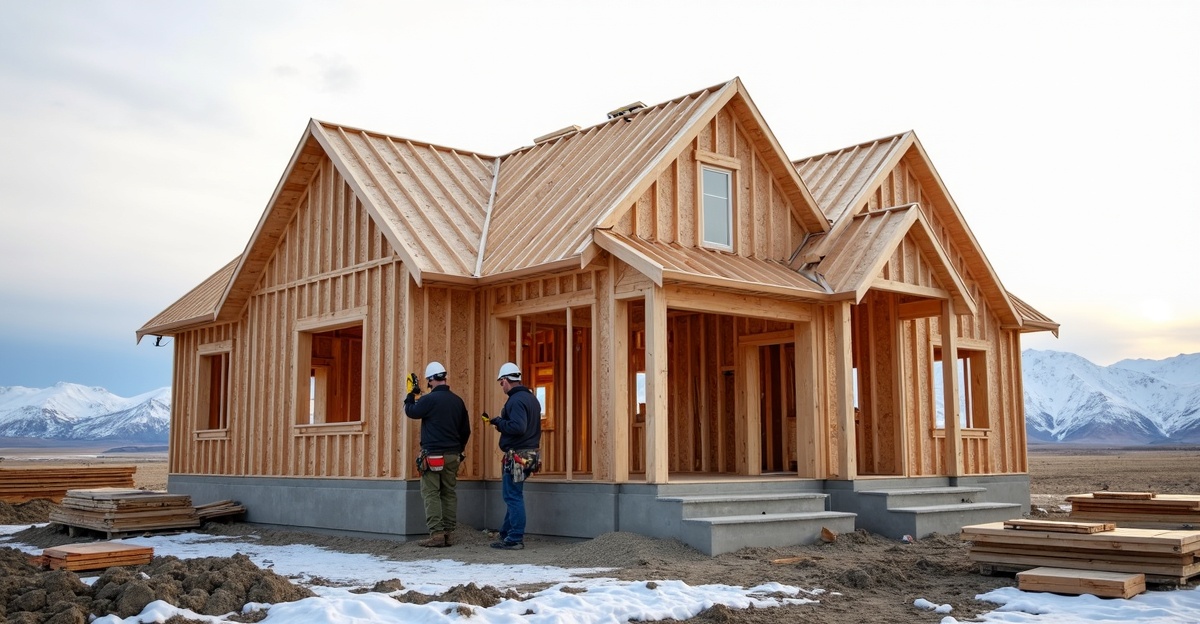
Framing a home in East Idaho usually takes 2 to 4 weeks for a small to mid-size custom build, while larger or more detailed designs can stretch to 6 weeks or longer based on scope and site conditions. We plan each home framing timeline around foundation cure time, structural design, weather patterns, crew coordination, material delivery schedules, and inspection timing.
Key Takeaways
- Small to mid-size custom homes in Idaho Falls generally frame in 2 to 4 weeks, while larger or more detailed homes may take 4 to 6 weeks or longer.
- Framing starts only after the foundation has cured properly, crews complete backfill, and we verify anchor bolts for accuracy and code compliance.
- The process moves from floor systems and wall framing to roof framing, sheathing, and finally the dry-in stage.
- Weather plays a major role in East Idaho, and snow or freezing temperatures often extend the schedule.
- Design revisions, material delivery issues, and inspection scheduling remain the most common causes of framing delays.
How Long the Framing Phase Typically Takes in Idaho Falls
Framing a home in East Idaho usually takes between 2 and 4 weeks for a small to mid-size custom home, roughly 1,800 to 3,000 square feet. That range reflects real Idaho Falls home building timeline conditions, not national averages. Crew size, design details, weather, and inspection turnaround all influence the duration.
Larger custom homes with complex rooflines, vaulted ceilings, multiple levels, or extensive structural steel often require 4 to 6 weeks or longer. Intricate plans slow layout and require additional bracing, connections, and inspection review. A straightforward plan moves much faster than one with heavy architectural detail.
For multifamily work, the multifamily framing schedule follows a phased approach. Individual buildings can frame in 3 to 6 weeks each, while the full project may span several months depending on scale and sequencing. On larger multifamily construction projects, we often overlap crews to keep momentum without compromising quality.
It is important to understand that the home framing project timeline begins only after foundation cure time before framing is complete and proper backfill has occurred. Concrete must cure adequately according to Yard At A Time Concrete curing standards before structural framing begins. Anchor bolts must be verified in accordance with Idaho Falls residential building code requirements before framing proceeds. The site must support material deliveries and lift equipment.
Winter conditions also matter. Snow loads, wind, and freezing temperatures can extend the custom home framing timeline, particularly during heavy winter patterns documented by the National Weather Service for Southeast Idaho. Weather delays are common in Idaho Falls, and we factor that into scheduling from the start.
When Framing Starts and What Happens Step by Step
Framing begins only after several critical milestones are complete. The foundation cure time before framing must meet structural requirements. Backfill must be finished so the slab or foundation walls are supported. Anchor bolts and layout lines are checked carefully before the first sill plate is installed.
The construction framing phase generally follows a clear sequence:
- Install the floor system, including joists or engineered floor assemblies.
- Frame exterior and interior load-bearing walls.
- Set second-floor framing if the home has multiple levels.
- Install roof framing or set trusses.
- Apply roof and wall sheathing.
- Install windows and exterior doors, depending on scope.
- Complete dry-in stage construction with underlayment or shingles and seal openings.
Reaching the dry-in stage construction milestone is significant. Once roofing materials are installed and openings are protected, the structure is shielded from most weather exposure. At that point, mechanical trades can begin rough-ins with less risk of moisture issues.
The framing inspection timeline also plays a central role. We schedule the rough framing inspection after structural framing members, connectors, and shear elements are in place. Inspection approval allows plumbing, electrical, and HVAC rough-ins to proceed. Any delays in inspection affect the next phase of the Idaho Falls home building timeline.
Framing does not stand alone. It connects directly to everything that follows. Structural accuracy here determines how smoothly each trade performs its work.
Key Factors That Affect the Home Framing Project Timeline
Several variables influence the length of the home framing project timeline in East Idaho.
Weather is a primary factor. Idaho weather construction delays are common in winter months. Snow, wind, and freezing temperatures slow productivity and require additional safety steps. Reduced daylight hours also limit work windows.
Design complexity adds time. Vaulted ceilings, long spans with LVLs, steel beams, and multiple rooflines extend the custom home framing timeline. A simple rectangular footprint frames much faster than a home with intersecting gables and detailed architectural elements. Decisions about systems such as stick framing versus other structural approaches also affect labor and sequencing.
Crew size and coordination matter. A properly staffed, experienced team works efficiently while maintaining structural accuracy. Trade coordination is equally important. Poor scheduling between framing crews, truss deliveries, and crane availability can stall progress.
Material lead times can shift the schedule. Engineered lumber, LVLs, floor systems, and trusses must be ordered early. If trusses arrive late, roof framing stops. That delay affects dry-in and pushes the rest of the schedule.
Inspection scheduling also plays a role. Local inspector availability may cause short but impactful delays. We plan ahead to minimize gaps between completion and inspection.
Change orders are another common issue. Structural changes mid-project are one of the most frequent factors that affect construction timelines. Adjusting wall locations or beam sizes after framing has started slows progress and increases labor.
Site conditions influence efficiency as well. Tight lots, unstable soils, and limited access for equipment or deliveries all affect speed. Proper preconstruction planning helps reduce these constraints.
How Framing Fits Into the Overall Construction Schedule
The framing start date depends on completed permitting, foundation progress, and site preparation. Utilities must be coordinated. Excavation and concrete work must meet quality standards. Any delay before framing pushes the entire home framing project timeline.
Once framing begins, momentum is critical. The dry-in stage construction milestone protects the structure from weather and allows plumbers, electricians, and HVAC contractors to begin rough-ins. Without dry-in, interior work cannot proceed safely or efficiently.
Window and door supplier coordination is also part of the schedule. Late deliveries can slow enclosure and interior progress. Strong planning reduces downtime and keeps the Idaho Falls home building timeline on track.
Framing quality influences everything that follows. Accurate framing leads to straighter drywall, smoother finishes, and fewer callbacks. We have discussed this in detail in how framing impacts build quality. Structural precision at this phase protects long-term performance and reduces downstream corrections.
For clients building a custom home, framing is one part of a much broader schedule. Those planning a full custom home build should understand how structural milestones align with financing, subcontractor scheduling, and material ordering.
Common Causes of Delays and How to Minimize Them
Several common issues slow down the construction framing phase. Late plan changes top the list. Moving walls, resizing openings, or modifying rooflines after framing has started leads to rework. Material shortages, especially engineered lumber or trusses, can also interrupt progress. Weather interruptions and inspection rescheduling create additional setbacks.
Reducing these risks requires disciplined planning. We recommend finalizing structural plans before framing begins. Ordering engineered materials and trusses early protects the multifamily framing schedule and custom home framing timeline. Steady communication between builder and owner helps avoid surprise changes.
Building realistic buffer time into the schedule is also wise. Tight deadlines increase stress on trades and reduce flexibility when weather or inspections shift. An organized, well-sequenced approach improves predictability across the entire home framing project timeline. For additional guidance, review practical strategies outlined in avoiding delays in home construction.
Planning Tips for Homeowners and Developers in East Idaho
Proper planning extends beyond the framing crew. Financing timelines, lease expirations, and property sales should include buffer time. Construction involves variables, especially in Idaho winter conditions.
Selections and structural details need to be confirmed early. Indecision during framing often leads to change orders that extend the custom home framing timeline. Clear communication keeps expectations realistic.
If framing will occur during colder months, discuss winter build strategies early. Review considerations about the best time of year to start building so scheduling aligns with Idaho Falls conditions.
Developers should recognize the difference between a custom home framing timeline and a phased multifamily framing schedule. A single residence may move continuously from foundation to dry-in. A large apartment building project or townhome project often staggers buildings to manage labor and inspections efficiently.
Each project carries its own demands. We evaluate scope, design complexity, and site conditions to build a realistic home framing project timeline grounded in local experience. Careful planning up front keeps the framing phase steady and positions the rest of the build for success.
Frequently Asked Questions
A home framing project timeline typically takes 2 to 6 weeks from the start of framing to the dry-in stage. Smaller, simpler homes move faster, while complex designs take longer. This period includes floor systems, wall framing, roof structure, sheathing, and weatherproofing so interior trades can begin safely.
Weather, material shortages, inspection scheduling, and mid-project design changes are the most common delays. Snow, wind, or freezing temperatures can slow progress significantly. Late truss or engineered lumber deliveries also pause work. Structural revisions after framing starts often create rework and extend the overall timeline.
Engineered lumber, trusses, beams, and specialty components should be ordered several weeks before framing begins. Lead times vary depending on demand and supplier capacity. Ordering early helps prevent gaps in the construction schedule and keeps the framing crew working without interruption.
Yes, home size directly impacts the framing timeline. Larger homes require more labor hours, additional structural elements, and extended layout time. Complex rooflines, vaulted ceilings, and multiple levels also add framing days. A simple footprint with minimal architectural detail generally frames much faster.
Yes, but only with proper planning and coordination. Increasing crew size, confirming plans in advance, and aligning inspections promptly can reduce delays. However, rushing structural work can compromise accuracy. Maintaining quality while optimizing scheduling is the most effective way to keep the framing phase efficient.