
What’s the Role of a General Contractor?
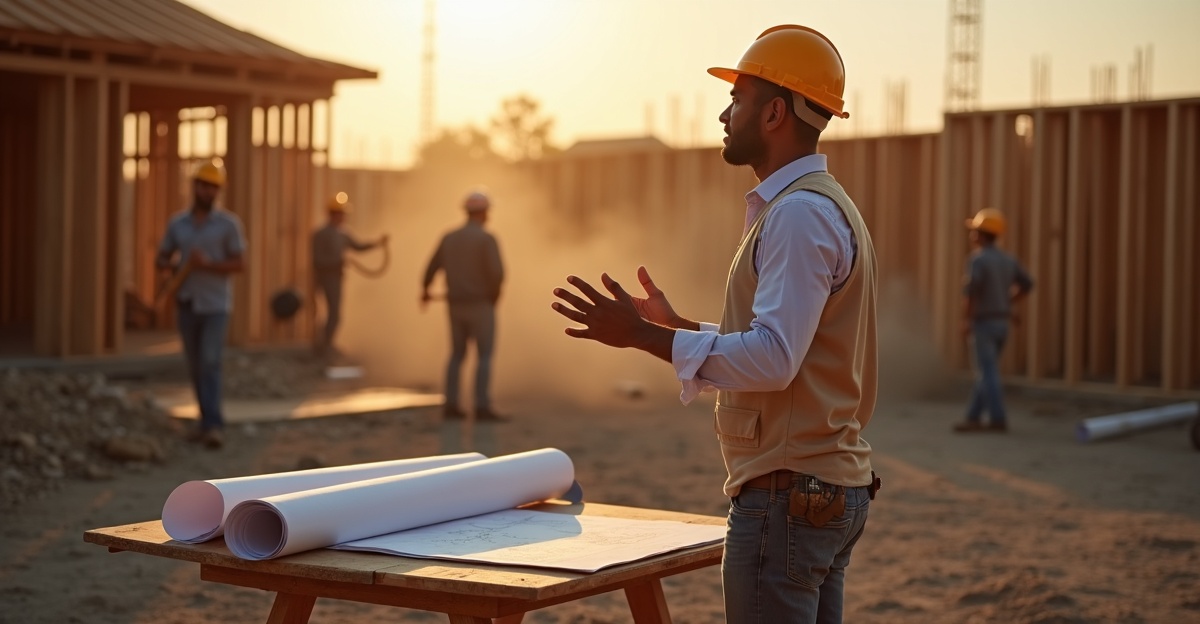
We define general contractor responsibilities as the full scope of oversight required to carry a construction project from early planning through final inspection and closeout. We coordinate trades, control budgets and schedules, secure permits, enforce safety and quality standards, and act as the single point of accountability for project execution.
Key Takeaways
- We manage the entire project lifecycle, including pre-construction planning, active construction oversight, and structured closeout.
- We handle core responsibilities such as budgeting, scheduling, subcontractor coordination, permitting, inspections, and quality control.
- We sequence trades efficiently and manage risk early to reduce delays, control costs, and avoid preventable disruptions.
- We establish clear communication and define owner and contractor responsibilities to prevent scope creep and decision-related delays.
- We complete thorough project closeout procedures—including punch lists, inspections, warranties, and documentation—to protect long-term building performance and maintain compliance.
How a General Contractor Oversees the Entire Build from Start to Finish
A general contractor holds primary responsibility for construction oversight and supervision from the first planning meeting through final inspection. In practical terms, general contractor responsibilities include managing trades, coordinating schedules, controlling budgets, securing permits, and serving as the single point of accountability for the entire build, consistent with construction management role definitions used across the building industry.
Whether we’re building a custom home or leading a multifamily project, the general contractor role centers on structured construction project management. We align architects, engineers, subcontractors, suppliers, inspectors, and owners under one coordinated plan. That structure reduces confusion and prevents work from happening out of sequence.
The work spans three major phases: pre-construction planning, active construction, and project closeout. During planning, we review drawings, develop budgets, and create realistic timelines. During construction, we manage subcontractors, oversee quality, and address issues as they arise. At closeout, we handle documentation, inspections, and punch lists so nothing is left incomplete.
Coordination sits at the center of what does a general contractor do. We sequence work so excavation precedes foundation, framing follows concrete, and mechanical trades enter at the right time. Careful sequencing leads to predictable scheduling and fewer disruptions, a principle emphasized in construction project scheduling best practices used in professional project management.
Risk reduction is another core responsibility. Construction risk management involves thorough planning, written scopes of work, site supervision, and rapid problem-solving. When unexpected soil conditions, material delays, or design revisions appear, we adjust the schedule and communicate impacts early. That steady oversight protects both timelines and budgets.
For a broader explanation of the scope involved, our overview of general contracting services breaks down the components in detail.
Pre-Construction Planning: Budgeting, Scheduling, and Permitting in Eastern Idaho
Strong projects start with disciplined planning. Pre-construction sets the foundation for cost control and schedule reliability.
We begin with feasibility review and plan evaluation. That includes reviewing architectural drawings for constructability, identifying structural considerations, and exploring value engineering options where appropriate. Early identification of cost drivers—such as site access, soil conditions, or specialty materials—helps avoid surprises later.
Construction budgeting and scheduling follow. We prepare preliminary budgets based on current market pricing, then refine them as selections and scopes are finalized. We sequence trades, identify long-lead materials, and establish a practical timeline. In Eastern Idaho, weather directly affects excavation, concrete placement, and exterior work. Winter conditions and spring moisture require scheduling adjustments. We account for these realities up front, while avoiding promises of fixed completion dates that don’t reflect real-world variables.
Permitting plays a critical role. We manage building permits in Idaho Falls and surrounding communities by coordinating applications, reviewing local requirements, and scheduling inspections. Our team stays current on regional codes and works closely with permitting offices. For a closer look at approval requirements, see our explanation of Idaho building permits.
Early subcontractor involvement improves accuracy. We select qualified local trades, confirm scope details, and clarify responsibilities before work begins. That preparation strengthens cost control and improves timeline predictability. Planning cannot eliminate every unknown, but it significantly reduces preventable delays.
Managing the Active Build: Subcontractor Coordination, Quality Control, and Site Safety
Once construction begins, daily oversight becomes critical. Successful building depends on disciplined management of people, processes, and standards.
Key Areas of Active Construction Management
The core areas we manage during active construction include:
- Vetting licensed and insured subcontractors with proven experience.
- Defining detailed scopes of work so responsibilities are clear.
- Coordinating schedules between framing, plumbing, electrical, HVAC, and inspections.
- Performing regular site visits to verify workmanship and code compliance.
- Tracking costs and documenting change orders as conditions evolve.
- Enforcing jobsite safety procedures to protect workers and property in accordance with OSHA construction safety standards for jobsite safety.
Subcontractor coordination prevents downtime. For example, plumbing and electrical work must align with framing schedules and inspection timing. If an inspection is delayed or incomplete, framing progress can stall. Active scheduling and consistent communication keep trades moving in a logical sequence.
Construction oversight and supervision also involve quality verification. We compare installed work against approved plans and specifications. Deviations are addressed immediately before they compound into larger issues.
Budget tracking continues throughout the build. We review invoices, monitor allowances, and document approved changes. If a design adjustment adds cost or time, we communicate those impacts clearly. That transparency allows owners to make informed decisions.
Construction risk management remains ongoing. Site conditions can shift. Material lead times can extend. Design refinements may be necessary. Prompt assessment and documented adjustments protect the overall schedule.
Certain scopes require specialized leadership. For example, structural framing forms the backbone of the building envelope. Our experience in structural framing services ensures the building’s structural system is installed correctly and efficiently before interior trades begin.
Communication and Clear Boundaries: Owner vs Contractor Responsibilities
Clear communication prevents most construction disputes. Throughout the build, we provide schedule updates, budget reviews, and written documentation of decisions. Regular reporting keeps expectations aligned.
Strong projects also depend on defined owner vs contractor responsibilities. Each side carries specific duties within agreed project parameters.
Owners typically handle land acquisition, financing arrangements, major design selections, timely approvals, and funding draw requests. Contractors manage trade coordination, scheduling, permitting, inspections, quality control, and daily site management.
Confusion arises when roles overlap without clarity. Scope creep often begins when informal changes are discussed without documented approval. Delays occur when selections are not finalized on time. Defined processes reduce both issues.
The general contractor role does not mean we control every decision. It means we accept accountability for construction execution within the contract scope. That structure creates predictability and professional boundaries.
For those evaluating contractors, our resource on questions to ask a contractor provides helpful guidance before signing an agreement.
Project Closeout, Punch Lists, and Final Documentation
Closeout marks the final phase of organized construction project management. It requires as much structure as the earlier stages.
We coordinate final inspections and secure certificates of occupancy where required. Any punch list items—minor corrections or incomplete details—are documented and scheduled for resolution.
A final walkthrough confirms that contract scope has been fulfilled. We review finishes, systems, and agreed specifications alongside the owner.
Documentation follows: warranties, operation manuals, lien waivers, and final invoices. Proper closeout protects owners legally and supports long-term performance.
Durability matters in Eastern Idaho’s climate. Temperature swings and seasonal weather place real demands on building materials. A structured closeout process supports long-term reliability for custom homes and multifamily properties alike.
Common Questions Property Owners Ask About Hiring a General Contractor
Property owners often ask practical questions before starting a project. Clear answers help set realistic expectations.
Do we need a general contractor for a custom home? Coordinating trades, permits, inspections, insurance, and schedules requires consistent oversight. A qualified custom home contractor in Idaho Falls manages these moving parts so the owner does not carry that daily burden alone.
How does a general contractor get paid? Common contract structures include fixed-price agreements and cost-plus contracts with defined fees. The appropriate structure depends on project scope, design completion, and risk allocation.
Can we act as our own general contractor? It is legally possible in many cases, but the time commitment and risk exposure increase significantly. Owners must supervise trades, manage inspections, and handle construction oversight and supervision directly. That level of involvement requires deep familiarity with scheduling, budgeting, and local permitting.
How does a GC help prevent delays? Early planning, disciplined construction budgeting and scheduling, proactive inspection management, and consistent subcontractor coordination reduce avoidable downtime. While no contractor can eliminate every variable, active management limits compounded setbacks.
What about larger developments? A seasoned multifamily construction contractor applies the same principles at greater scale—coordinating multiple units, trade crews, and inspections under one structured plan.
Understanding what does a general contractor do helps owners make informed decisions. Clear roles, steady oversight, and practical communication form the backbone of successful building projects in Idaho Falls and across Eastern Idaho.
Frequently Asked Questions
General contractor responsibilities include managing the entire construction process from planning through project completion. This typically involves coordinating subcontractors, creating project schedules, managing budgets, securing permits, and ensuring compliance with building codes. The contractor also oversees jobsite safety, monitors work quality, and communicates with the property owner and design professionals to keep the project on track.
A general contractor coordinates subcontractors by assigning clear scopes of work, scheduling trade activities, and supervising jobsite performance. They ensure that different trades—such as plumbing, electrical, and framing—work in the correct sequence. The contractor also verifies licensing and insurance, reviews workmanship, and resolves conflicts or delays so construction progresses efficiently.
Hiring a general contractor helps streamline project management and reduces the risk of delays or costly mistakes. The contractor serves as the central coordinator for scheduling, budgeting, permitting, and inspections. By overseeing subcontractors and construction activities, a general contractor ensures work is completed according to approved plans, local regulations, and the project timeline.
A homeowner can sometimes act as their own general contractor, depending on local regulations. However, doing so requires managing subcontractors, scheduling inspections, obtaining permits, and handling construction budgeting and timelines. Without construction management experience, owners may face increased risks of delays, cost overruns, or code compliance issues.
General contractors control costs and schedules through careful planning and ongoing oversight. They prepare budgets, sequence construction activities, monitor material orders, and track labor progress throughout the project. When unexpected issues arise—such as material delays or design adjustments—they update schedules and communicate changes quickly to minimize disruptions and maintain project efficiency.