
What’s the Difference Between a Builder and Contractor?
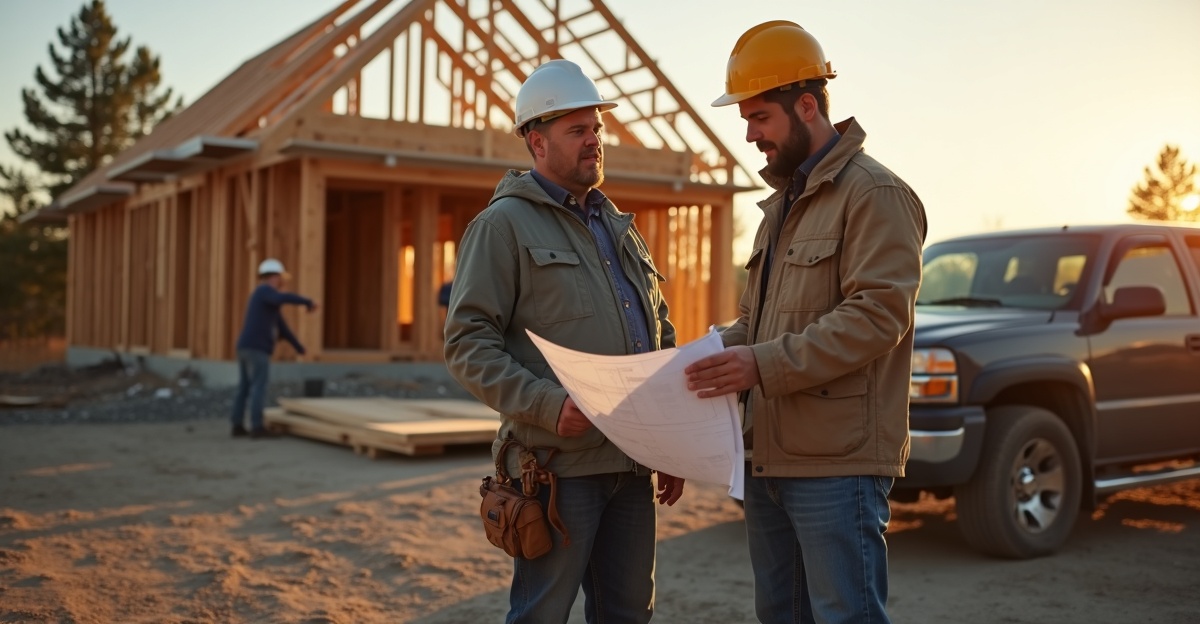
Understanding the difference between a builder vs general contractor clarifies who manages planning, permits, subcontractors, scheduling, and overall accountability on a construction project. We often see role overlap, especially in custom home builds, yet the distinction directly impacts budget control, timeline stability, licensing responsibility, and who acts as the primary point of contact from concept through completion.
Key Takeaways
- A builder typically focuses on new residential construction and guides design, material selections, budgeting, and full home delivery from early planning through the final walk-through.
- A general contractor signs the main contract, hires and oversees subcontractors, manages permits and inspections, and controls the master construction schedule.
- In many custom home projects, we may serve as both builder and general contractor, which centralizes responsibility and streamlines communication.
- Licensing, permit requirements, and inspection processes vary by Idaho jurisdiction, so we confirm role clarity before construction begins.
- Clear definitions of scope, liability, schedule control, and change order procedures prevent cost overruns, inspection delays, and project disputes.
Builder vs General Contractor: The Core Differences That Affect Your Project
The distinction between builder vs general contractor affects how a project is managed, priced, and delivered. The difference between builder and general contractor usually comes down to scope, responsibility, and involvement from concept through completion.
A builder typically focuses on constructing homes or a specific type of building, most often residential. In many cases, a builder manages the process from early planning through final walk-through. This is especially common in custom home projects, where the custom home builder vs general contractor comparison often overlaps. Many builders guide design discussions, assist with material selections, and oversee construction directly.
A general contractor oversees the full construction process, including subcontractor coordination and site supervision as defined by the Project Manager. When we answer what does a general contractor do, the core responsibilities include hiring and supervising subcontractors, creating and maintaining schedules, obtaining permits, coordinating inspections, and handling day-to-day site supervision. The general contractor contracts directly with the owner and assumes responsibility for execution.
In real-world projects, roles often overlap. Many custom home builders also operate as a licensed contractor Idaho property owners rely on for full project management. The title may differ, but the responsibility can be similar.
Definitions and licensing requirements vary by state and municipality. Idaho regulations differ from other states, and even local jurisdictions may interpret responsibilities differently. We always recommend confirming how a company is licensed and what capacity it will serve on a project.
This distinction matters. It impacts timeline control, cost predictability, communication flow, and accountability. In Idaho projects, clarity upfront reduces confusion later—especially once permits are pulled and subcontractors begin work.
Side-by-Side Comparison: Scope, Responsibility, and Project Control
Below is a straightforward comparison of builder vs contractor roles in typical residential and light commercial construction.
| Category | Builder | General Contractor |
|---|---|---|
| Scope of Work | Typically focused on new construction, often residential homes | Broader construction project management roles across residential or multifamily |
| Subcontractor Management | May hire and supervise trades directly | Hires, schedules, and supervises all subcontractors |
| Budget Creation | Often prepares home build pricing and allowances | Develops detailed estimates, manages trade buyout, controls cost tracking |
| Permits & Inspections | May pull permits in residential builds | Typically responsible for permits and coordinating inspections with local offices |
| Schedule Control | Oversees home build timeline | Maintains master construction schedule and sequencing |
| Change Orders | Manages homeowner selections and adjustments | Documents, prices, and approves formal change orders |
| Main Client Contact | Often primary contact on custom homes | Primary point of accountability for entire site |
| Liability & Insurance | Varies by business structure | Carries project liability and site risk under contract |
The practical impact is straightforward.
If a subcontractor misses a deadline, who corrects it? In most structures, the general contractor is accountable.
If material costs shift and the budget changes, who approves the adjustment? That responsibility usually flows through the contracted party managing the job.
If inspections in Idaho Falls or surrounding areas fail, who ensures corrections are made and schedules reinspection? The party who pulled the permit typically carries that duty.
Understanding these construction project management roles helps clarify risk and authority before construction begins. For a closer look at scope expectations, we outline details in general contracting services explained.
What Does a Home Builder Do in Custom Home Projects?
When we answer what does a home builder do, we look at the full life cycle of a custom house.
An Idaho home builder often works closely with clients during design development. We review plans, suggest layout adjustments, and flag constructability issues before construction starts. Early contractor input prevents avoidable cost increases later.
Many builders help clients evaluate lots, discuss orientation, and plan utility access. Some offer design-build services. Others coordinate with architects and engineers while preparing budgets. In a custom home build, we frequently oversee everything from foundation placement through final walk-through.
Allowances and material selections also fall under the builder’s scope. Flooring, cabinetry, fixtures, and exterior finishes are often structured as allowances. Clear documentation is critical. We outline how pricing develops in how contractors estimate custom home costs so owners understand where numbers originate.
Scheduling is another key duty. Trades such as framing, plumbing, HVAC, and electrical must be sequenced correctly. Weather in eastern Idaho adds another layer. Poor timing can delay inspections or material deliveries.
In many custom home builder vs general contractor companies, the same firm serves both roles. That model can streamline communication because the homeowner works with one primary point of contact. It also concentrates responsibility in one company. Accountability becomes clear. For guidance on vetting that relationship, we cover key traits in what to look for in a custom home builder.
Most custom homes in our region target a 6–12 month timeline. Predictable scheduling and documented allowances keep that window realistic.
What Does a General Contractor Do in Residential and Multifamily Construction?
A direct answer to what does a general contractor do starts with contract responsibility. The general contractor signs the agreement with the owner or developer and becomes accountable for delivering the finished structure.
An Idaho general contractor hires and coordinates all subcontractors and suppliers. We oversee safety, maintain site standards, verify quality, and manage inspection scheduling. These construction project management roles extend from excavation through final occupancy approval.
In residential builds, that may resemble a builder’s function. In multifamily projects, the structure becomes more complex. As a multifamily general contractor, we may phase units for inspection, coordinate separate crews working across buildings, and manage bulk material procurement to control pricing.
On a townhome or apartment building project, sequencing drives cost efficiency. Concrete, framing, mechanical rough-ins, and finishes must rotate in defined order. One delay affects multiple trades, a common risk in construction project scheduling and trade sequencing.
Developers may hire a general contractor without using the “builder” title. Functionally, the responsibility may look similar to a home builder’s role but scaled for greater complexity.
General contractor involvement influences cost predictability through structured estimating and trade buyout. It improves schedule reliability by maintaining a master timeline. It also establishes formal change order controls so scope adjustments are documented and approved before work proceeds.
Anyone performing this full scope in Idaho must meet licensed contractor Idaho requirements. Verifying licensing and insurance protects owners from unnecessary exposure.
How Idaho Regulations, Permits, and Trade Coordination Influence the Role You Need
Licensing definitions and requirements vary by state. Idaho has its own registration and regulatory standards. Local municipalities, including Idaho Falls and nearby jurisdictions, manage building permits and inspections independently.
Permit responsibility should never be vague. Clear documentation must define who pulls permits and who schedules inspections. Mechanical, electrical, plumbing, and structural inspections each follow inspection sequencing requirements outlined in the International Residential Code (IRC).
Weather also plays a role. Frozen ground, wind, and seasonal temperature swings affect excavation, framing, and exterior finishes. An experienced Idaho general contractor or Idaho home builder plans for these realities in the schedule.
Confusion around permits and liability creates avoidable risk. Common problems include:
- Unclear responsibility for permit applications
- Missing or delayed inspection scheduling
- Gaps in insurance coverage on site
- Poor coordination between subcontractors
These issues lead to inspection failures, stalled progress, and cost increases. Clear assignment of responsibility prevents breakdowns.
Trade coordination matters just as much. Framing crews cannot proceed without approved foundation inspections. Mechanical rough-ins cannot close until structural elements pass review. Proper sequencing reduces repeat work and inspection delays.
How to Decide Which Is Right for Your Project
Project type usually drives the decision.
A custom single-family residence may align well with a builder who also acts as the general contractor. A duplex, townhome, or larger multifamily development may benefit from a contractor structured for broader construction project management roles.
Level of involvement matters too. Some owners want detailed input on every selection. Others prefer a structured process with defined decision points. Site complexity, zoning conditions, and entitlement requirements also influence which model fits best.
We recommend asking direct questions during consultations:
- Are we acting as the builder, the general contractor, or both?
- Who will be the day-to-day contact during construction?
- Who controls and updates the construction schedule?
- Who carries liability and project insurance?
- How are change orders approved and documented?
Clear answers establish expectations from the start. For additional preparation, we review key topics in questions to ask a general contractor and explain practical steps in how to find a reliable general contractor.
Owners planning construction in the next 6–12 months benefit from early discussions. We review scope, timeline, budget goals, and site conditions before finalizing direction. Those considering a project in Idaho Falls or surrounding areas can reach out through our project consultation page to start that conversation.
Frequently Asked Questions
A builder typically focuses on constructing residential homes, often guiding the project from planning and design coordination through final completion. A general contractor manages the overall construction process, including hiring subcontractors, scheduling work, handling permits, and supervising the job site. In many custom home projects, one company may perform both roles, but the distinction mainly relates to scope, responsibility, and contract accountability.
Yes, a builder can also serve as the general contractor on a project. In many custom home builds, the same company manages design discussions, budgeting, subcontractor coordination, permits, and construction oversight. When a builder performs both roles, it centralizes responsibility and simplifies communication because the homeowner works with a single company responsible for planning, scheduling, and delivering the finished home.
In most construction projects, the general contractor hires and manages subcontractors such as electricians, plumbers, framers, and HVAC specialists. They coordinate trade schedules, monitor work quality, and ensure tasks follow the overall project timeline. However, if a home builder is also acting as the general contractor, they typically take on this responsibility and directly supervise all subcontracted trades involved in the build.
For a custom home, many homeowners hire a builder who also functions as the general contractor. This approach allows one company to guide design decisions, prepare budgets, manage subcontractors, and oversee construction from start to finish. Larger or more complex developments may instead hire a dedicated general contractor to manage construction while architects or developers handle design and planning.
Choosing between a builder and a general contractor depends on the type and complexity of the project. Custom residential homes often benefit from a builder who manages the entire process, including design guidance and construction. Projects involving multiple units, developers, or complex scheduling may require a general contractor focused on construction management, subcontractor coordination, and maintaining the overall build schedule.