
What’s the Best Time of Year to Start Building?
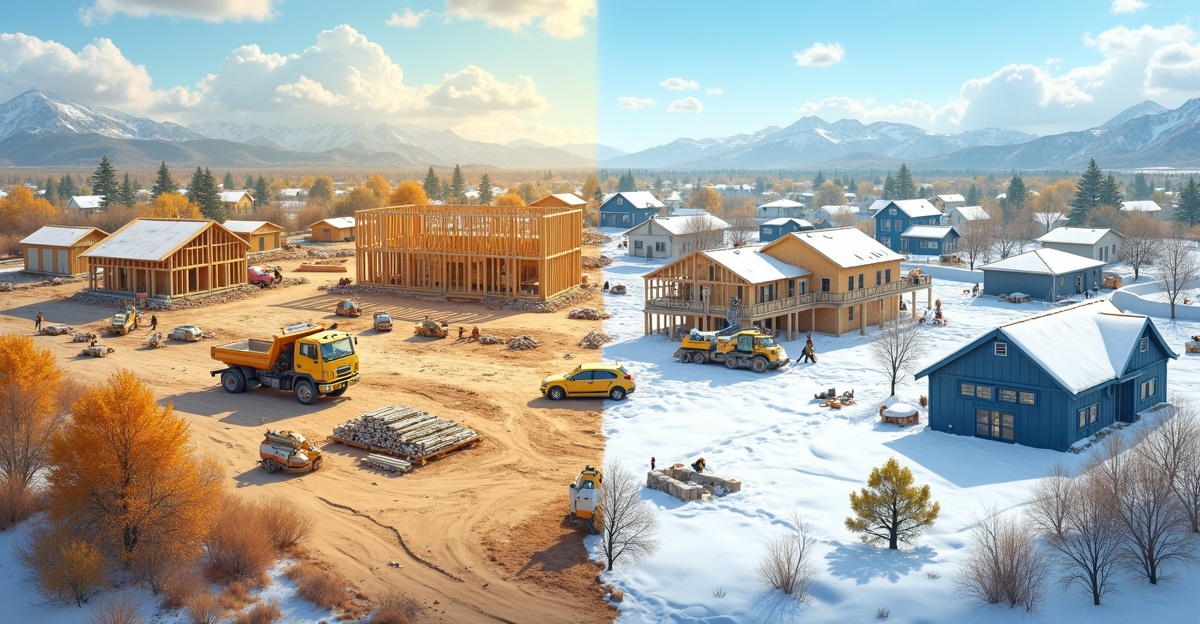
In Idaho Falls, summer stands out as the optimal time to break ground on residential construction. The season brings steady weather, dry soil, and extended daylight—key factors that help speed up excavation, framing, and roofing. Planning ahead remains critical, though. Permit processing times, subcontractor schedules, and weather shifts from season to season can still cause setbacks if not managed properly.
Key Takeaways
- Summer provides the most reliable conditions for major building activities. Demand spikes, so lock in builders and material orders early.
- Winter slows exterior progress but works well for interior stages if construction starts before cold weather sets in.
- Spring is unpredictable. Wet or thawing soil can push back foundation and excavation timelines.
- Fall suits wrap-up phases—siding, painting, interiors—but launching a new build too late puts structural work at risk.
- Submit permit requests 3 to 6 months before your target start date to stay ahead of processing queues.
What Seasonal Factors Matter Most in Idaho Falls?
Idaho Falls runs on a clear four-season cycle, and that matters quite a bit for construction start dates. Each season brings its own challenges and opportunities. Understanding how local weather affects site conditions will help build schedules align with actual workable days.
Ground freezes typically begin in late November and often last through February, according to historical frost data from the National Weather Service for Idaho Falls. During this stretch, excavation and foundation work become limited or stop entirely due to rocky, frozen soil. Attempting to dig in these conditions can drive up labor costs and lead to equipment issues.
Spring ushers in a thaw. While temperatures rise, the ground doesn’t always cooperate. The thawing process can oversaturate sites, turning them into mud pits. Heavy equipment may need to wait until conditions stabilize. Early spring is also when winter permit backlogs start clearing, adding delays to anything not submitted early.
Summer generally provides consistent dry weather, making it the best season for site prep, excavation, framing, and roofing. High construction activity from June through August puts subcontractors and material suppliers in short supply. Lead times stretch out, and prices often rise during this window.
Fall is somewhat of a transition. If a project broke ground in summer, fall is well-suited for framing and interior enclosure. Starting major exterior work too late in the season risks freeze-thaw complications, particularly for concrete work and foundations, as explained in the American Concrete Institute’s cold weather concreting guidelines.
Pay attention to Idaho’s frequent wind events and rapid temperature swings. These shifts can affect not only schedules but also construction quality if work gets rushed or delayed.
Pros and Cons of Building in Each Season
Every season presents trade-offs. Choosing the right time means weighing weather conditions against costs, availability, and build goals.
Seasonal Overview of Pros and Cons
- Spring
Pros: Temperatures become workable; permits from early applications may begin clearing
Cons: Muddy job sites slow excavation; thaw cycles can disrupt foundations; agency workloads still recovering from winter - Summer
Pros: Best overall conditions for major work (foundation, framing, roofing); long daylight hours
Cons: High trade demand requires early booking; subcontractors may be less flexible - Fall
Pros: Interior finishing can progress steadily; weather still stable in early months
Cons: Starting excavation or foundation work too late invites freeze-related disruptions - Winter
Pros: Ideal season for focused interior construction if work began earlier
Cons: Heating, tenting, and shorter workdays increase logistics and cost; excavation work is often off the table
A common seasonal construction schedule in Idaho Falls might begin with a summer foundation, move into fall framing, and shift to winter interior finishes. It’s a practical approach that pairs well with the reality of seasonal weather shifts.
For more insight on managing project phases through shifting seasons, take a look at our post on how to avoid delays in home construction.
Best Lead Times for Permits, Planning, and Site Prep
Timelines in Idaho Falls don’t just come down to weather. The permitting process and preconstruction planning also shape start dates. Permits can take 4 to 8 weeks depending on agency backlog, as outlined by the City of Idaho Falls Building Department. That backlog often peaks in early spring, just as many projects try to launch.
To avoid starting behind, aim to begin design and planning work 3 to 6 months ahead of the preferred ground-breaking date. If the goal is to start foundation work in May, we recommend initiating design, survey, and applications in January. This buffer builds room for feedback from agencies and longer-than-planned review cycles.
Planning early also gives more control over subcontractor scheduling and material options. In competitive seasons, delays can compound when multiple trades are booked out weeks in advance. Start the conversation early and build from a solid schedule.
How Construction Tasks Align with the Calendar
A successful build takes shape gradually, and each major phase needs its season to perform correctly. Matching tasks to weather conditions extends the life of materials and avoids preventable setbacks.
Key Construction Tasks by Season
- Site Preparation
Optimal: Late spring through early summer
Conditions: Access roads, grading, excavation gear all need dry workable soil - Foundation/Excavation
Optimal: Late spring through mid-fall
Avoid: Mid-winter—frozen ground increases cost, slows productivity - Framing and Exterior Shell
Optimal: Mid-summer to early fall
Conditions: Stable temps help keep lumber in spec and minimize delays - Interior Finishes
Optimal: Fall and winter
Conditions: Controlled indoor environment suits drywall, trim, paint, cabinets
Delays to early tasks like site prep and foundation work often ripple into later stages. A late-June excavation, for example, might shift framing into October—where weather tightens the schedule. Smart staging of work not only prevents these cascades but helps maintain control over budget and sequencing.
Contractor and Material Availability Throughout the Year
Summer construction in Idaho Falls means high demand across all trades. Electricians, plumbers, HVAC crews, and framers book out fast—sometimes months ahead. We advise clients to lock in contractors early, especially for larger projects like a multifamily apartment build or full custom home build.
Material pricing trends follow the same seasonal curve. Spring and summer drive up demand for framing lumber, insulation, and roofing materials, and U.S. Bureau of Labor Statistics data on lumber price trends shows how national supply pressures can influence seasonal costs.
Fall and winter can provide more flexibility. Subcontractors have more openings, and material supply is steadier. But weather constraints offset some advantages. Transporting and storing materials in freezing conditions requires additional measures.
Larger scopes—like townhome construction or other multifamily projects—need even earlier alignment. Overlapping trades mean conflicts if scheduling isn’t done with seasonality in mind.
Frequently Asked Questions About Seasonal Building in Idaho
Common Questions and Practical Answers
- Can you build in winter in Idaho?
Yes—but with careful planning. Indoor work like framing, plumbing, and electrical can continue through winter on projects that began earlier. Excavation is limited. Costs rise with temporary heating, covering open areas, and equipment protection. - When should permits be submitted for summer builds?
To start in May or June, initiate permit applications no later than January. Earlier is better to avoid the spring rush. - What work can you start in fall or winter?
Fall is fine for surveys, planning, design, and even excavation if weather holds. Winter works well for indoor renovation or continuing interior phases of active builds. - How long does it typically take to build a house in Idaho Falls?
Approximately 6–10 months, depending on size, scope, and weather interruptions—consistent with National Association of Home Builders data on average construction timelines. Some projects, particularly those involving structural framing complexities or custom finishes, may stretch longer if started in poor conditions. - How does weather affect build start dates?
Delays in thaw, wind events, and freeze cycles can all affect excavation and material curing. Adjusting the Idaho home building timeline early based on seasonal norms prevents many of these issues.
For further details, contractor conversation, or help planning a seasonal construction schedule in Idaho Falls, reach out to us through our contact page. Thoughtful preparation improves efficiency and lowers risk no matter the season.