
What Makes a Good Framing Contractor?
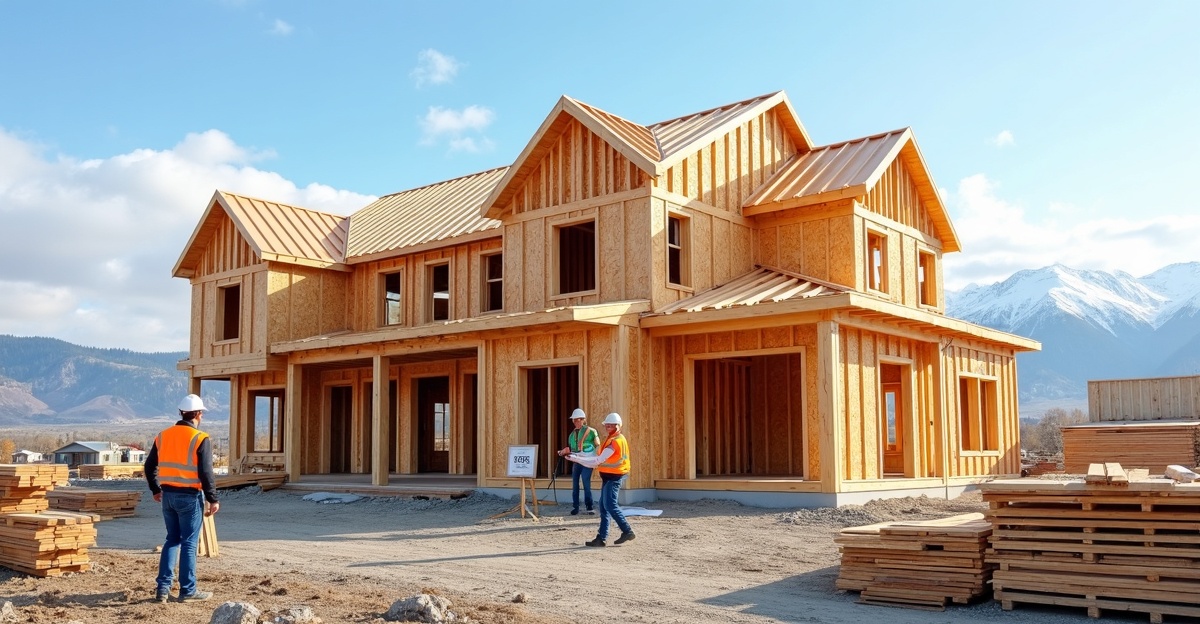
Choosing the right framing partner takes more than finding the lowest bid. We focus on core traits that shape structural strength, keep timelines on track, and support seamless work with other trades. In the Boise and Idaho Falls markets, successful framing work relies on understanding local codes, maintaining steady crews, and communicating early and often.
Key Takeaways
- Local expertise counts—framers need to grasp regional details like frost depth and snow load demands.
- Dependable scheduling and working in sync with other trades keep projects moving and avoid costly holdups.
- Experienced, consistent crews deliver accurate, code-compliant framing that limits rework.
- Prompt, clear updates during plan changes help limit delays and reduce mistakes.
- Warning signs such as unclear bids, high crew turnover, and weak knowledge of area codes suggest risk.
Delivering Framing That Sets the Foundation for Success
A framing contractor’s work lays the foundation—literally and structurally—for everything that follows in residential and multifamily construction. Framing affects long-term durability, energy performance in residential construction, wall alignment, and even how long it takes to hang drywall. When this phase isn’t executed to standard, the consequences ripple throughout the rest of the build.
We’ve seen it firsthand. In our Idaho Falls projects, overlooked framing details have added weeks of rework for builders who cut corners or misread specs. Framing contractors who fail to hit their marks create headaches: missed timelines, communication gaps, unclear scopes, or disorganized crews that keep changing faces.
Price shouldn’t be the only consideration. Choosing a framing contractor is about structure, scheduling, coordination, and the ability to deliver work that holds up over time.
Key Qualities of a Reliable Framing Contractor
Identifying the right framing partner starts with recognizing what matters most. Here’s what we look for—and deliver—in framing that supports high-functioning builds.
Technical Experience with Local Conditions
A strong understanding of Boise and Idaho Falls construction conditions is non-negotiable. We account for factors like ground frost depth, freeze-thaw cycles, and soil composition, which all affect framing prep and design, in alignment with Idaho’s adopted residential building codes. Lumber selection, anchoring techniques, and layout methods depend on anticipating how materials will behave through seasons, not just during install.
Scheduling Reliability and Milestone Awareness
On-track framing builds trust across a project team. We prioritize reliability—setting phased goals, confirming lumber delivery, and verifying slab or foundation readiness before starting. Staying synchronized with excavation and MEP trades keeps timelines intact. At Curt Wells Construction, attention to prep work and schedule clarity has allowed our residential framing services to meet build-phase benchmarks without delay—even in colder months.
Skilled, Steady Crews
Consistent crews produce consistent results. A reliable framing contractor brings a trained team that understands quality control, jobsite safety, and precise measurements. Rotating workers or relying on short-term labor often leads to misaligned nailing patterns, uneven headers, or framing inspections that fail to meet code.
Clear Communication During Changes
Adjustments happen. Whether it’s a client-driven layout change or a city review requirement, strong framing partners respond proactively. Clear communication prevents framing delays and avoids costly redo work. We make sure dimensions, lumber specs, and load paths are reconfirmed before any major changes begin.
Coordination with Builders and Other Trades
Framing doesn’t exist in isolation. Proper scheduling includes coordination with the GC, HVAC rough-in, electrical layout, and plumbing paths, consistent with national home building best practices. We often double-check stairwell dimensions to avoid conflicts with ducting or floor systems. It’s a key part of practical efficient home construction.
Working Knowledge of Local Codes
The best framing contractors don’t just follow plans—they know local code requirements and anticipate inspector expectations. Delays often come from framing that doesn’t align with current regulations.
Respect for the Jobsite Environment
Worksites don’t need to be spotless—but they do need to be safe and efficient. Teams that manage cutoffs, sweep up hardware hazards, and minimize neighbor conflict help keep builds on track and reduce complaints during longer projects, especially on dense multifamily lots.
How Experience Translates Into Framing Precision
Years in framing means more than tenure—it’s pattern recognition, materials fluency, and coordination skill. Good framers anticipate layout snags before they cost real time.
We’ve framed gabled custom homes, multifamily walk-ups, and low-slope ranches using platform and stick methods. In each case, experience shapes design-readiness. If a detail calls for shifting a load-bearing wall to clear a plumbing chase, it doesn’t derail the team. We’ve handled mid-framing plan changes—adjusting layouts without sidetracking the entire schedule.
For developers, consistency equals profit. Our multifamily construction framing services focus on scalable execution. Whether it’s mirrored townhouse units or stacked multi-floor apartments, framing has to deliver repeatable accuracy so downstream trades won’t hit layout snags from one unit to the next.
Experience also avoids common setbacks:
- Misaligned floor joists delay mechanical runs
- Mistakes in stair rough-ins force reconfiguration
Crews with history spot these problems early—and prevent them before they impact scheduling.
Dependability in Communication and Documentation
Precision in carpentry doesn’t count much if communication falls short. A framing contractor should track documentation and coordinate updates, especially on jobs where owners or developers aren’t on-site daily.
Here’s what we make standard:
- Daily or weekly progress photos, shared centrally
- Clear logs of change orders—including who approved what and when
- Updated milestone schedules—adjusted and issued when framing shifts upstream or downstream
We coordinate with architects and general contractors to verify architectural dimensions and load-bearing points before lumber arrives. This prevents costly material waste or partial teardowns.
Poor communication usually shows up as inspections that don’t pass, timelines that slip, or downstream delays where HVAC ducts don’t fit within framing constraints. Strong contractors prevent those problems—not react to them.
Red Flags to Watch For When Hiring a Framing Contractor
Choose your framing contractor carefully. These signs can point to bigger issues if overlooked:
- Lack of detailed bids or vague scopes → Often leads to change-order pricing disputes later
- Inconsistent crews or constant turnover → Makes quality unpredictable and timelines unreliable
- Refusal to show past framing work → May suggest subpar builds or no repeat customers
- Surprise pricing changes blamed on “subs” → Indicates weak trade coordination or oversight
- Unfamiliar with Idaho code or winter build prep → Higher risk of failed inspections or frost-related delays
Watch for these early. They’re key indicators during early contractor vetting and interviews.
Working With a Framing Contractor That Fits Your Project Vision
The right framing contractor brings more than tools—they bring structure to your project process. Ask direct questions around how crews are staffed, how they manage supply holdups, and what happens during plan revisions. A contractor’s answers tell you as much as their past builds.
At Curt Wells Construction, we manage the framing phase with real-time clarity, direct updates, and integration with other trades. Whether you’re framing a custom home in Idaho or building a series of townhome units, staying grounded in schedule and structure matters.
If you’re planning a development or custom home in the Idaho Falls area, talk with us about your structural goals. We align framing strategy with your build plan—on paper and on-site. Reach out through our contact page to get the conversation started. For more insights, visit our full blog archive.
Frequently Asked Questions
The most important qualities of a framing contractor include technical skill, reliability, and knowledge of local building codes. A strong contractor understands structural load paths, regional climate demands, and inspection standards. Consistent crews, accurate measurements, and clear communication with builders also ensure framing is completed safely, on schedule, and without costly rework.
You can evaluate experience by reviewing past projects, asking about similar builds, and checking knowledge of local construction requirements. An experienced framing contractor should explain how they handle snow loads, frost depth, and plan revisions. Consistent crew members and a record of passing inspections also indicate dependable workmanship.
Local building code knowledge ensures the structure meets safety and inspection standards. Requirements such as snow load ratings, shear wall placement under the International Residential Code, and anchoring methods vary by region. A framing contractor familiar with local codes can anticipate inspector expectations, reduce failed inspections, and prevent structural issues that may lead to delays or redesigns.
Scheduling reliability keeps all trades aligned and prevents bottlenecks. When framing stays on track, electricians, plumbers, and HVAC crews can begin rough-ins without delay. Missed framing milestones often cause cascading setbacks across the project. A dependable contractor coordinates material delivery, crew availability, and foundation readiness to maintain steady progress.
Red flags include vague bids, frequent crew turnover, and poor communication about scope changes. Contractors unfamiliar with local code requirements or unwilling to share previous work examples may pose risks. Sudden pricing adjustments without documentation can also signal weak project management and lead to disputes or unexpected costs.