
How to Work With a Contractor During a Build
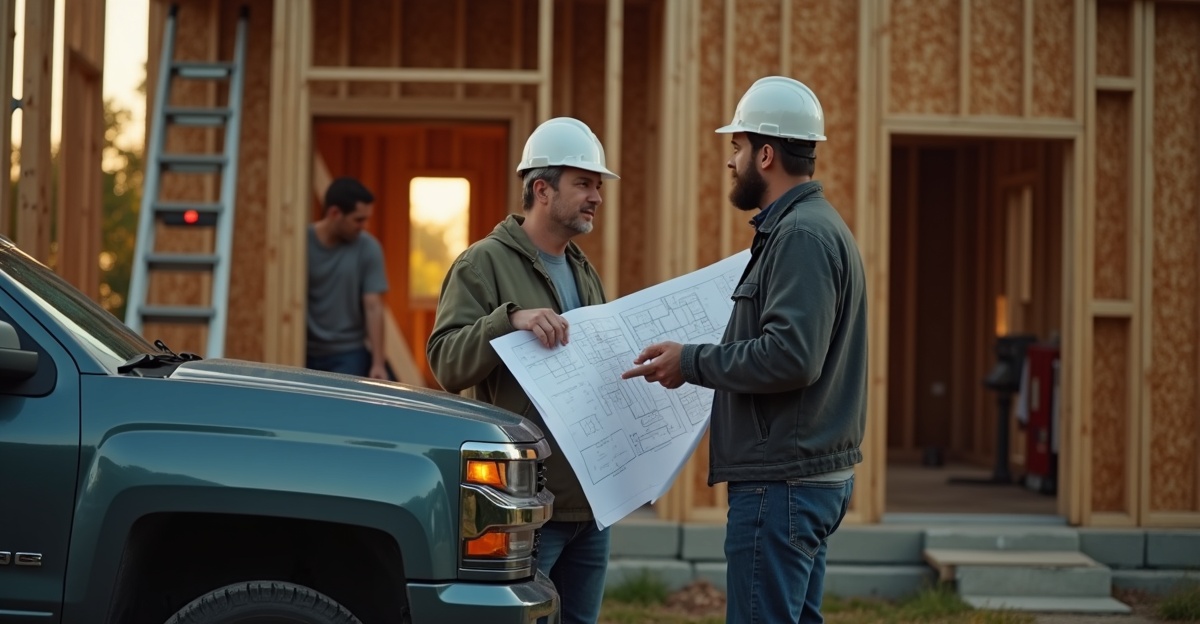
Clear expectations, documented decisions, and disciplined communication define successful projects, and these working with general contractor tips show how to work with a contractor during a build without avoidable delays or cost overruns. When owners understand responsibilities, allowances, change orders, and scheduling realities—from financing and selections to inspections and weather impacts—the construction process stays organized, predictable, and accountable. We see smoother builds when every stakeholder commits to clarity from day one and treats documentation as a standard practice, not an afterthought.
Key Takeaways
- Define roles in writing before construction begins, including a single point of contact and clear decision-making authority.
- Finalize plans, financing, and material selections early to reduce costly mid-project changes and scheduling pressure.
- Document all approvals, changes, and budget updates in writing to protect the schedule and maintain transparency.
- Review allowances and change orders carefully, and understand how selections and unforeseen conditions affect total cost.
- Plan for realistic timelines that account for trade sequencing, inspections, material lead times, and regional weather conditions.
What a Productive Contractor–Owner Relationship Looks Like From Day One
Every successful build starts with clearly defined roles. We manage scheduling, subcontractors, inspections, permits, material coordination, site safety, and overall project oversight. Owners handle financing, timely selections, approvals, and clear communication.
That division of responsibility prevents confusion once construction starts. We recommend reviewing responsibilities in writing before breaking ground. Clear expectations upfront save time later.
Understanding the role of a general contractor helps both sides stay focused on what they control. Owners shouldn’t feel responsible for coordinating trades. Contractors can’t make finish selections without input. When everyone knows their lane, the process runs smoother.
We also establish a single point of contact on both sides. That keeps communication consistent. If multiple stakeholders are involved—spouses, partners, or investors—we recommend agreeing in advance on who has final decision-making authority. Conflicting directions slow progress and create unnecessary change orders.
Healthy working relationships share a few key traits:
- Decisions are documented.
- Budget discussions are transparent.
- Updates are consistent.
- Communication stays respectful and direct.
These working with general contractor tips apply to any project, but they matter especially in Idaho Falls. Local projects require coordination with inspectors, suppliers, and subcontractors who understand Idaho’s weather and soil conditions. An experienced Idaho Falls general contractor plans for those factors from the start.
Prepare Thoroughly Before Construction Begins
Strong preparation reduces mid-project stress. Finalized plans and specifications should be complete before breaking ground. Changes made after excavation or framing almost always cost more than decisions made on paper.
Financing also needs to align with the construction draw schedule. In the custom home building process in Idaho, lenders typically fund in stages tied to progress through a construction loan draw schedule. We confirm that funding timing matches the anticipated sequence of work.
Material and finish selections deserve early attention. Flooring, cabinets, plumbing fixtures, appliances, and exterior finishes should be chosen as soon as possible. Waiting until framing is complete often creates scheduling pressure.
Allowances require close review. An allowance is a placeholder budget amount used in construction contracts for unfinished selections. If selections exceed that amount, the total price increases. Managing a construction budget starts with understanding how allowances affect final cost. We walk through those numbers clearly so expectations stay realistic.
We also discuss what to expect during home construction. There will be noise. Access to the site will be limited at times. Weather may shift timelines. We don’t promise “no surprises.” Instead, we focus on experience-based clarity and steady coordination.
Before signing, we recommend reviewing what to ask before hiring a general contractor. Topics should include meeting cadence, change documentation, delay communication, and critical decision deadlines tied to foundation, framing, rough-ins, and finish stages.
Set Clear Communication and Decision-Making Processes
Construction moves quickly during active phases. A set meeting cadence keeps everyone aligned. Weekly or biweekly on-site meetings work well during framing and mechanical stages.
We confirm decisions in writing. Email summaries or project management software prevent misunderstandings. Verbal approvals often lead to confusion weeks later.
Clear communication channels also matter:
- Email works best for formal decisions and approvals.
- Phone calls are better for urgent issues.
- Text can support quick coordination but shouldn’t replace documentation.
Construction change orders explained simply: any modification to the agreed scope requires written documentation, cost impact review, and acknowledgment of timeline adjustments before work proceeds. That protects both parties.
Efficient decision-making requires discipline. Cabinet selections should be complete before rough-in finishes. Lighting choices must align with ceiling layouts. Delayed answers affect subcontractor schedules and can shift the overall timeline.
Scheduled site visits help maintain organization. We recommend coordinating visits in advance, following safety protocols, and directing technical questions through the agreed point of contact. This approach strengthens custom home contractor communication and prevents mixed instructions.
Understanding how to work with a general contractor means recognizing that clear documentation protects the project. It’s not about formality. It’s about keeping the schedule and budget on track.
Understand Budgets, Allowances, and Change Orders
Every contract should define the base price and identify allowances. The base price covers clearly specified work. Allowances apply to items partially defined at signing, such as fixtures, finishes, or specific site elements.
Selecting materials above allowance amounts increases total cost. That isn’t a penalty. It reflects the actual difference between the placeholder value and the final selection.
Managing a construction budget works best with consistent reporting. We provide regular updates and document all approved changes. If a project includes contingency funds, we track those separately so owners see exactly where funds are allocated.
Construction change orders explained in practical terms fall into two categories:
- Owner-driven modifications, such as layout revisions or finish upgrades.
- Unforeseen site or structural conditions, like soil issues discovered during excavation.
Both types may affect cost and schedule. Budget discussions should remain straightforward and factual. They aren’t adversarial. Clear tracking protects trust.
Anyone reviewing contract terms should also understand how contractors estimate custom home costs. Realistic expectations prevent misunderstandings later.
We don’t guarantee timelines or costs beyond documented agreements. We provide projections based on experience, supplier input, subcontractor availability, and known site conditions.
Manage the Timeline and Plan for Real-World Delays
Construction schedules reflect planning, but reality influences timing. In Idaho, weather affects progress during winter months due to Idaho Falls winter climate and snowfall patterns. Frozen ground, heavy snowfall, and wind can delay site work and framing.
Material lead times also fluctuate. Some specialty items require extended ordering windows. Subcontractor availability shifts during peak building seasons. Inspection scheduling can create brief pauses between phases.
Typical phases of the custom home building process in Idaho include:
- Site work and foundation
- Framing
- Mechanical, electrical, and plumbing rough-ins
- Insulation and drywall
- Interior and exterior finishes
Each phase relies on completion of the previous one. Trades follow a specific sequence. Plumbing rough-in cannot begin before framing. Drywall waits on inspection approvals. Finish carpentry depends on drywall completion.
Proactive decisions reduce owner-caused delays. Timely selections keep subcontractors moving. Respecting agreed deadlines protects the schedule.
We recommend reviewing strategies on how to avoid delays in home construction before the project starts. Awareness leads to better preparation.
Avoid Common Misunderstandings and Know When to Reach Out
Misunderstandings often stem from assumptions. Small changes can affect multiple trades. Allowances don’t automatically cover higher-end selections. Contractors don’t make design decisions without direction.
A healthy contractor-client relationship addresses issues directly. Financial reporting stays clear. Updates arrive consistently without repeated follow-up.
Documented approvals protect both sides. Respectful communication keeps discussions productive. Problems are easier to solve early than late.
For homeowners planning a custom home build or developers considering multifamily construction, process clarity matters as much as craftsmanship. Structural coordination, including structural framing, requires tight scheduling and trade communication.
If a project is in the planning stage and clarity is needed on how responsibilities, timelines, and budgets would align, we recommend scheduling a conversation through our contact page. We’ll review the property, timeline goals, and scope in practical terms and outline how the process would work from start to finish.
Frequently Asked Questions
The most important tips for working with a general contractor include setting clear expectations, documenting decisions, and maintaining consistent communication. Owners should finalize plans, budgets, and material selections before construction begins. Regular meetings and written approvals help prevent misunderstandings. A defined point of contact on both sides also keeps decisions organized and ensures the project stays on schedule and within budget.
Homeowners can avoid delays by making selections early and responding quickly to contractor requests. Construction schedules depend on timely decisions about finishes, fixtures, and layout details. Delayed approvals can interrupt subcontractor scheduling and material orders. Reviewing timelines in advance and sticking to decision deadlines helps maintain momentum and reduces the risk of costly schedule shifts.
Change orders document any modification to the original construction agreement. They outline the scope change, cost difference, and potential impact on the schedule before work proceeds. This process protects both the homeowner and the contractor by keeping expectations transparent. Properly managed change orders ensure that project updates are tracked and approved instead of becoming unexpected expenses later.
Allowances are placeholder budget amounts for items not fully selected when the contract is signed. Common examples include lighting fixtures, flooring, or appliances. If the final selections exceed the allowance value, the overall project cost increases by the difference. Reviewing allowances carefully and making selections early helps homeowners manage the construction budget more accurately.
Communication with a general contractor should occur regularly throughout the project. Many builders recommend weekly or biweekly meetings during active construction phases such as framing or mechanical installations. These check-ins allow owners to review progress, confirm upcoming decisions, and address concerns early. Consistent communication helps prevent misunderstandings and keeps the project aligned with the planned schedule.