
How to Find a Reliable General Contractor
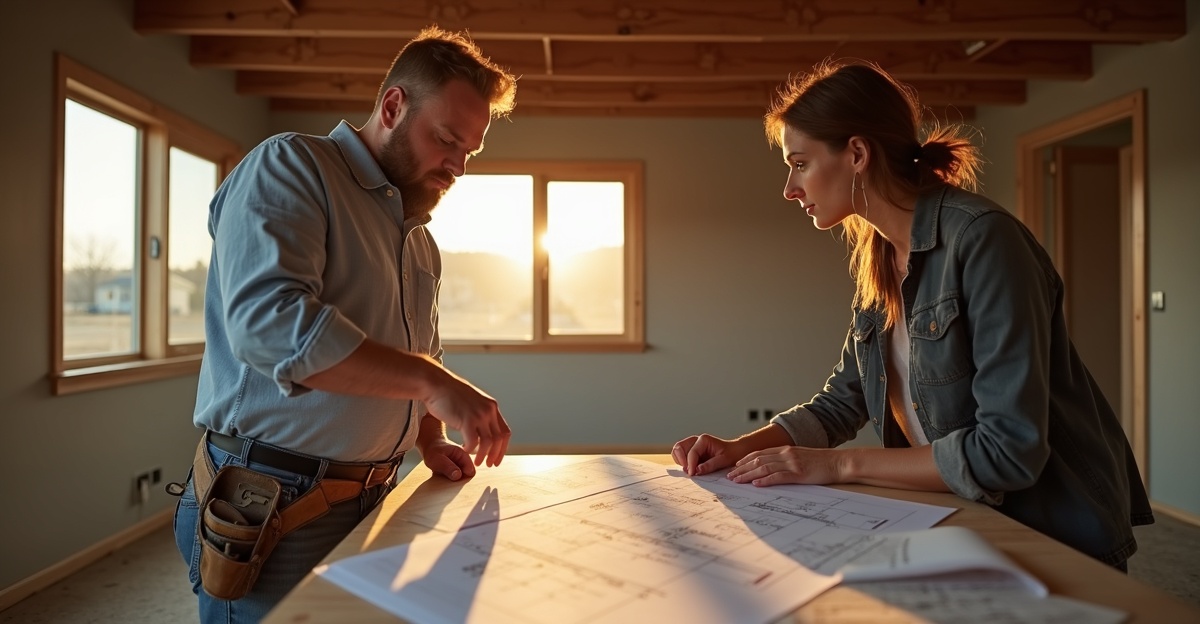
Finding a reliable builder requires us to understand how to choose a general contractor who can control costs, protect the schedule, and deliver lasting build quality. In Idaho Falls, we focus on verifying licensing and insurance, reviewing written estimates and timelines, confirming local permitting experience, and examining proven performance before we sign a contract.
Key Takeaways
- The right general contractor directly shapes budget control, schedule consistency, and long-term construction quality.
- We should always confirm registration, insurance coverage, financial stability, and clear written contract terms before we compare pricing.
- We need to judge experience by project type and verified local results, not polished marketing.
- We should review detailed estimates, clearly defined allowances, milestone-based schedules, and direct communication standards.
- We must watch for red flags like vague bids, unusually low pricing, large upfront payments, and hesitation to share references.
Why the Right General Contractor Determines Cost, Schedule, and Long-Term Value
The contractor we choose directly affects the cost, schedule, and long-term value of a project. The right team protects the budget, keeps the timeline steady, and delivers workmanship that holds up for decades.
That’s especially true in Idaho Falls and surrounding areas. Local permitting timelines, winter weather, and subcontractor availability all influence outcomes. An experienced general contractor Idaho Falls firm plans for those factors early and adjusts before small issues turn into major delays.
A general contractor runs the full construction project management process. We coordinate subcontractors, manage permits and inspections, control the budget, maintain the schedule, and communicate clearly with owners. Strong coordination keeps each trade moving in the right order—excavation, foundation, framing, mechanical rough-ins, insulation, drywall, and finishes—based on standard residential construction phases used in homebuilding without unnecessary downtime.
Change orders offer a clear example. If selections are incomplete or allowances are unclear, changes during framing or rough-ins can ripple through the schedule. A late plumbing revision can delay inspections. That delay pushes back drywall and trim. Costs increase, and the move-in date shifts. Skilled coordination minimizes those disruptions.
Poor subcontractor scheduling can create similar problems. If framing runs behind, mechanical trades wait. If inspections aren’t lined up, crews sit idle. Over time, those gaps drive up labor costs and strain the budget.
Anyone researching how to choose a general contractor should start with this understanding: the contractor sets the tone for cost control, schedule reliability, and overall build quality. Whether we’re hiring a custom home builder Idaho Falls or a multifamily general contractor, leadership and organization determine the result.
For a closer look at oversight responsibilities, review what’s included in general contracting services. Clarity at this level prevents confusion later.
Verify the Fundamentals First: Licensing, Insurance, and Financial Stability
Before comparing design ideas or pricing details, confirm the basics.
In Idaho, we should verify that the builder is properly registered according to Idaho contractor registration requirements and carries current insurance. Always request proof of general liability insurance and workers’ compensation coverage required for Idaho employers. These protect us from liability if injuries occur on site and help shield us from financial risk tied to subcontractor claims.
Financial stability also matters. A stable contractor provides:
- A clear billing structure
- A defined draw schedule tied to project milestones
- Lien waivers from subcontractors and suppliers with each payment
These steps reduce the chance of disputes or unpaid supplier claims.
Written agreements are essential. Verbal promises about scope, price, or timeline don’t provide protection if disagreements arise. A solid contract should clearly outline the scope of work, total cost or pricing structure, allowances, payment schedule, and estimated timeline.
This stage is where many people start asking how to hire a contractor for a new build. The answer begins with documentation. If registration, insurance certificates, and sample contracts aren’t readily available, that’s a concern.
Local experience also matters. Idaho Falls permitting requires coordination with city inspectors at several phases, including foundation, framing, mechanical rough-ins, and final approval. A contractor familiar with local expectations moves inspections through efficiently and avoids unnecessary rework.
Evaluate Relevant Experience and Local Track Record
Experience should match the type of project we’re building. Custom homes and multifamily developments require different systems and management styles. A multifamily general contractor must handle larger crews, tighter schedules, and more complex inspection sequencing. A custom home builder Idaho Falls must manage detailed finishes and client-driven selections with precision.
Not every company handles both at the same level. Ask for completed projects similar in size and scope to ours in Idaho Falls or nearby communities. Review detailed photos and ask for context on final cost and timeline performance. Site visits, when possible, offer valuable insight into workmanship and organization.
Established subcontractor relationships also improve results. Crews that regularly work together communicate better and anticipate each other’s needs. That reduces schedule conflicts and improves workmanship consistency.
When checking references, keep questions direct and focused. Ask:
- Did the project stay close to the original budget?
- How were change orders handled?
- Was communication consistent throughout construction?
Clear answers matter more than general praise. Anyone evaluating how to find a reliable general contractor should rely on documented performance, not marketing presentation. For additional criteria, explore what to look for in a custom home builder.
Compare Process Transparency: Estimates, Allowances, Schedules, and Communication
A detailed estimate reveals how a contractor manages projects.
Look for clear line items and defined allowances for items such as cabinets, flooring, appliances, and fixtures. The estimate should also outline exclusions. Vague allowances often lead to cost overruns once real selections are made. If the cabinet allowance covers basic stock units and we plan for custom cabinetry, the gap must be addressed upfront.
Understanding how pricing is developed also helps. Contractors use takeoffs, subcontractor bids, and allowances to assemble pricing. For a deeper explanation, review how contractors estimate custom home costs.
A written timeline is equally important. It should outline major milestones such as:
- Site work and foundation
- Framing
- Dry-in
- Mechanical rough-ins
- Insulation and drywall
- Substantial completion
The schedule doesn’t need to predict every day, but it should provide a logical sequence tied to inspections and trade coordination.
Communication standards should be clear from the start. Weekly updates, scheduled site meetings, and written change order documentation create alignment. Strong project management includes documented changes, updated schedules, and proactive problem-solving instead of last-minute reactions.
During the interview phase, prepare thoughtful questions to ask a general contractor. We cover many of these in what to ask before hiring a general contractor. Detailed answers during bidding usually reflect how communication will continue during construction.
When comparing bids, focus on scope clarity as much as total cost. Anyone learning how to compare general contractors should study the details behind the number, not just the bottom line.
Use a Simple Framework to Compare Contractors Side by Side
A structured comparison makes decisions clearer.
- Shortlist three contractors with directly relevant project experience.
- Compare scope clarity in written bids. Ensure materials, allowances, and exclusions are defined.
- Evaluate responsiveness and clarity during bidding.
- Check references and confirm insurance and registration.
- Review contract terms, payment schedule, and warranty details.
Unusually low bids are a red flag when hiring a contractor. The price may exclude necessary work or rely on unrealistic allowances. Those gaps surface later through change orders.
Pay close attention to documentation during preconstruction. Consistent written communication, organized cost breakdowns, and defined milestones usually indicate how the job will be managed once construction begins. For guidance on maintaining schedule performance, review how to avoid delays in home construction.
Common Red Flags and What a Well-Run Project Should Look Like
Certain warning signs should prompt caution:
- Vague or one-page estimates with no cost breakdown
- No written timeline
- Requests for large upfront payments without a defined draw schedule
- Poor or slow communication during bidding
- Reluctance to provide references
- Unusually low bids compared to competitors
Well-managed projects look different. Contracts clearly define scope and allowances. Change orders are documented in writing before work proceeds. Billing follows a structured draw schedule tied to completed milestones. Updates are routine, and project leadership remains accessible.
As an experienced general contractor in Idaho Falls, we prioritize clear preconstruction planning, defined milestones, and steady communication. That approach supports both custom home build clients and multifamily construction projects. Organized management protects budgets and keeps projects moving.
In the end, strong documentation and consistent communication outweigh confident sales promises. Decisions grounded in facts, written scope, and proven performance lead to stable schedules and durable construction.
Frequently Asked Questions
To choose a reliable general contractor, verify licensing, insurance coverage, and a clear written contract before comparing bids. Review detailed estimates, timelines, and references from similar projects in your area. Contractors with proven local experience, transparent pricing, and consistent communication are more likely to manage subcontractors effectively, maintain schedules, and keep construction costs under control.
Before hiring a general contractor, ask about licensing, insurance, project timelines, payment schedules, and experience with similar builds. Request references from recent clients and examples of completed projects. You should also ask how change orders are handled and how often updates are provided. Clear answers help confirm the contractor’s organization, communication style, and project management process.
Detailed estimates help you understand exactly what work, materials, and allowances are included in the project cost. Without clear line items, contractors may leave out important elements that later appear as change orders. A transparent estimate allows homeowners to compare bids accurately, evaluate material allowances, and identify potential budget risks before signing a construction contract.
A contractor’s bid may be too low if it lacks cost breakdowns, contains vague allowances, or falls significantly below competing proposals. Low bids often exclude necessary work, rely on unrealistic material allowances, or underestimate labor. These gaps typically lead to change orders during construction, increasing the final cost and potentially delaying the project schedule.
Common red flags include vague estimates, large upfront payment requests, lack of insurance documentation, and reluctance to provide references. Poor communication during the bidding phase can also indicate future project management problems. Reliable contractors provide written timelines, clear contracts, and milestone-based payment schedules that help protect both the budget and construction timeline.