
How Does Framing Impact Build Quality?
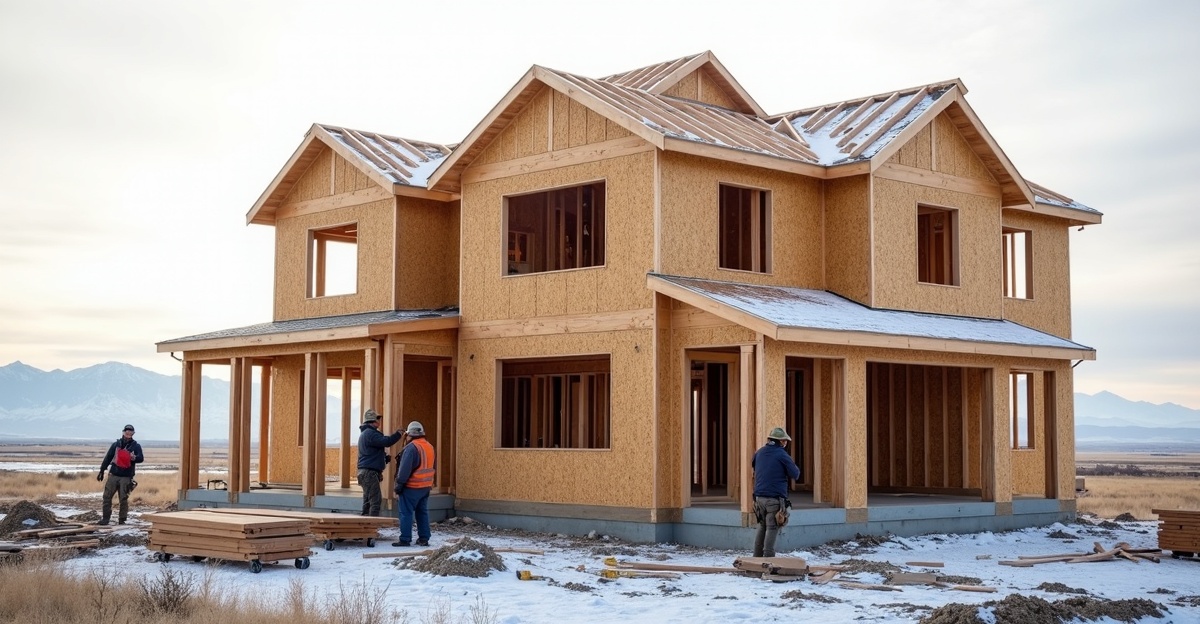
The importance of framing in home construction directly shapes build quality by creating continuous load paths, structural stability, and precise alignment from roof to foundation. In Eastern Idaho, we frame with snow loads, wind exposure, soil movement, and moisture control in mind. We focus on exact layout practices to prevent long-term structural damage, finish flaws, and energy loss.
Key Takeaways
- Continuous, properly engineered load paths protect structural integrity and prevent sagging, cracking, and deflection.
- Regional factors such as Idaho snow loads, wind exposure, and freeze-thaw cycles must guide framing design and execution.
- Accurate layout and stud placement reduce trade conflicts, protect finish quality, and keep construction timelines predictable.
- Moisture control details, including sealing, sheathing alignment, and flashing integration, prevent rot, mold, and long-term deterioration.
- Consistent adherence to engineering plans, fastening schedules, and inspection standards reduces costly repairs after we complete the home.
Framing Determines Structural Integrity, Safety, and Long-Term Performance
Framing is the structural skeleton of a home. It supports floors, walls, and roof systems and defines how loads travel safely to the foundation.
The importance of framing in home construction starts with proper load paths. Roof loads must transfer through rafters or trusses, into bearing walls, down to floor systems, and finally into the foundation. When that path is continuous and properly engineered, the structural integrity of a home remains intact. When it’s interrupted, problems show up quickly.
In Eastern Idaho, design must account for Idaho snow load requirements. Roof trusses, rafters, and wall systems carry heavy winter loads year after year. Undersized members or rushed installation can lead to roof sag, ceiling cracks, and long-term deflection. We coordinate framing plans with engineered truss packages so the structure performs under real winter conditions, not just ideal ones.
Wind exposure also matters. Open terrain around Idaho Falls increases lateral forces on walls and roofs. Proper bracing, shear panels, and connection hardware stabilize the structure in accordance with FEMA code wind load requirements. Soil conditions play another role. Expansive or moisture-sensitive soils can shift if foundations aren’t designed correctly, which increases stress on the framing system above.
Framing errors often reveal themselves in finish work. Doors stop latching. Windows bind. Drywall cracks appear at corners. Nail pops show through paint. Floors slope slightly. These issues trace back to framing alignment or load transfer problems.
On every project, we treat framing as the backbone of the build. A qualified custom home builder Idaho Falls understands that structural performance begins long before insulation or drywall is installed.
Quality Framing Practices Protect Durability and Moisture Control in Eastern Idaho’s Climate
Eastern Idaho’s construction practices are shaped by documented freeze-thaw cycle patterns reported by NOAA for the Idaho region. Snow accumulates on roofs, melts during warmer spells, and refreezes overnight. Moisture works its way into assemblies if details aren’t handled correctly.
Foundation and exterior wall assemblies must account for seasonal expansion and contraction. We pay close attention to sill plate sealing, anchor bolt placement, and moisture breaks between concrete and framing lumber. These steps reduce long-term movement and decay.
Proper sheathing installation and flashing integration protect wall systems from water intrusion. Correct nailing patterns secure panels and limit movement. Housewrap, flashing tapes, and window integration details must align with framing layout. Small gaps can allow bulk water or air leakage that impacts durability.
Framing alignment also affects energy efficiency and overall performance. Straight studs and plumb walls create better cavities for insulation. Tight seams reduce air leakage. When framing is inconsistent, insulation compresses unevenly and loses effectiveness. That leads to higher utility costs and uncomfortable interior conditions.
Poor moisture control in home construction increases risk for mold, wood warping, and hidden rot, as outlined in U.S. Environmental Protection Agency guidance on moisture control and mold prevention. Over time, that raises maintenance and repair expenses. We’ve seen minor flashing shortcuts turn into major siding removal projects years later.
Snow melt, seasonal rain, and temperature swings across Eastern Idaho demand disciplined framing standards. We focus on dry-in schedules, proper material storage, and well-sequenced work so framing assemblies stay protected from prolonged exposure.
Accurate Layout and Execution Keep Construction Timelines Predictable
Precise layout is one of the most overlooked quality framing practices. Accurate measurement at the plate level prevents conflicts later in the build.
Incorrect stud spacing can interfere with plumbing lines and vent stacks. Misaligned openings cause HVAC ductwork challenges. Cabinet layouts depend on consistent wall dimensions. Drywall sheets install faster and cleaner when studs land exactly where they should.
We coordinate framing with mechanical trades early. That alignment protects the construction timeline and overall framing performance across the project. It also supports smoother inspections. Inspectors look for consistent spacing, correct fasteners, and approved hardware. Less rework means fewer schedule interruptions.
Finish quality depends on the structure beneath it. Crooked walls create uneven trim lines. Out-of-square openings leave cabinet gaps. Sloped floors complicate tile and flooring installation.
Predictable schedules matter whether we’re building a single residence or handling multifamily construction Idaho projects. In larger developments, small framing errors compound across multiple units. Tight layout discipline keeps trades moving efficiently and reduces costly adjustments.
Owners often ask how long it takes to build a custom home. Framing accuracy is a key factor. Projects stay on track when the structure goes up correctly the first time.
Common Framing Mistakes That Undermine Build Quality
Common framing mistakes rarely look serious in the moment. Over time, they affect performance, comfort, and cost.
Typical issues include inconsistent stud spacing, improper fastening, poorly aligned walls, inadequate bracing, and rushed truss installation. Missing hardware or skipped hold-downs compromise lateral strength. Inadequate blocking causes movement behind finishes.
The consequences show up in everyday use. Consider the following examples:
- Cracked tile from floor deflection
- Sticking interior doors due to wall racking
- Sloped floors from uneven joist installation
- Roof deflection from under-supported trusses
- Higher energy loss caused by framing gaps and air leakage
Short-term cost cutting often drives these errors. Fewer fasteners, cheaper materials, or rushed schedules may reduce upfront expense, but they increase corrective work after occupancy.
Quality framing practices don’t mean overbuilding. They mean meeting home framing standards consistently. Proper fastener schedules, engineered load paths, and verified alignment protect the long-term value of the property.
The importance of framing in home construction becomes clear when repair work begins. Structural corrections behind finished walls cost far more than doing it right during initial construction.
What to Look for in Home Framing Standards and Inspection Practices
Home framing standards should begin with engineering and end with documented inspections.
Engineered truss systems must reflect Idaho snow load requirements. Load paths should be verified from roof to foundation. Sheathing nailing patterns need to match structural plans and local code. Crews should install approved hardware at specified spacing without substitution.
Experienced framing teams understand regional conditions. They account for wind exposure, soil behavior, and moisture risks specific to Idaho Falls. We coordinate plans with structural engineers and align field execution with approved drawings.
Inspection timing matters as well. Framing should be reviewed before insulation and drywall cover key structural connections. That includes verifying bearing points, bracing, and connection hardware.
Whether hiring a custom home builder Idaho Falls or developing an apartment building project, standards and execution carry more weight than speed alone. Clear processes reduce surprises and protect the structural integrity of a home for decades.
For a deeper look at contractor evaluation, we often reference what makes a good framing contractor. Experience, discipline, and accountability make the difference.
Questions to Ask Your Builder About Framing
Clear communication early prevents misunderstandings later. We recommend discussing framing expectations before construction begins.
Ask how the builder accounts for Idaho snow load requirements and regional freeze-thaw construction considerations. Confirm how quality framing practices support verified load paths and structural continuity.
Discuss moisture control in home construction. Ask what steps protect framing during dry-in and how flashing and sealing details integrate with wall assemblies.
Review how the framing process protects the construction timeline and reduces trade conflicts. Clarify inspection procedures before insulation and drywall to confirm the structural integrity of a home.
Strong answers should be specific and grounded in local experience. Projects in Idaho Falls and throughout Eastern Idaho demand practical knowledge of climate and code.
Property owners planning a custom residence or multifamily build can review our work and background about our company. When ready to discuss framing in home construction for an upcoming project, we encourage scheduling a conversation through our project consultation page.
Frequently Asked Questions
Framing is considered the most important part of home construction because it forms the structural skeleton that supports the entire building. It creates continuous load paths that transfer roof, wall, and floor loads safely to the foundation. Proper framing prevents sagging, cracking, and long-term movement, ensuring the home remains stable, safe, and durable for decades.
Poor framing can lead to structural and cosmetic problems that worsen over time. Common issues include sloped floors, sticking doors, drywall cracks, and roof deflection. Inconsistent stud spacing or improper fastening may also reduce energy efficiency and allow moisture intrusion. These problems often require costly repairs after finishes are complete.
Framing directly impacts energy efficiency by shaping insulation cavities and controlling air leakage. Straight, properly spaced studs allow insulation to fit evenly without compression. Tight sheathing installation and sealed joints reduce drafts and heat loss. When framing is misaligned or poorly sealed, gaps form that increase utility costs and reduce indoor comfort.
Climate conditions influence framing design by determining load and moisture demands. Heavy snow loads require engineered trusses and properly sized structural members. High winds call for shear panels and reinforced connections. Freeze-thaw cycles and moisture exposure require careful sealing and flashing details to prevent rot, mold, and long-term structural deterioration.
Homeowners should ask how the builder ensures continuous load paths, follows engineered plans, and meets local building codes. It’s important to confirm proper fastening schedules, bracing methods, and inspection timing before insulation and drywall. Asking about moisture protection during construction also helps protect long-term durability and structural performance.