
How Much Land Do You Need to Build a House?
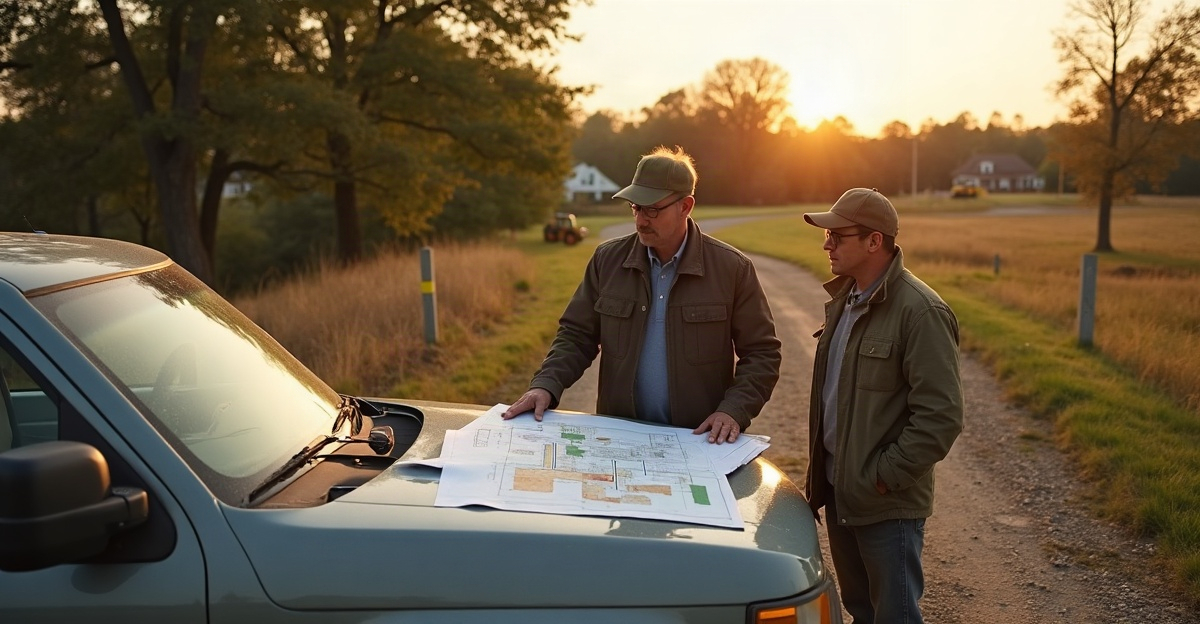
The land we need to build a house depends on the usable building envelope, not the parcel’s total acreage alone. The home footprint, setbacks, utilities, septic requirements, access, drainage, snow storage, and plans for shops or outdoor areas determine whether a lot can support the project.
Key Takeaways
- A smaller city or subdivision lot can work with public utilities, paved access, and established zoning.
- Rural properties often need more land for wells, septic systems, drainfields, utility extensions, driveways, and outbuildings.
- Setbacks, easements, floodplains, slopes, wetlands, and irregular boundaries can limit the construction area.
- We should review zoning, HOA or subdivision rules, minimum lot size, frontage, parking, and accessory structure requirements before we buy land.
- We should confirm surveys, utility costs, septic feasibility, drainage, and site layout before we finalize a land purchase or home plan.