
What to Look for in a Custom Home Builder
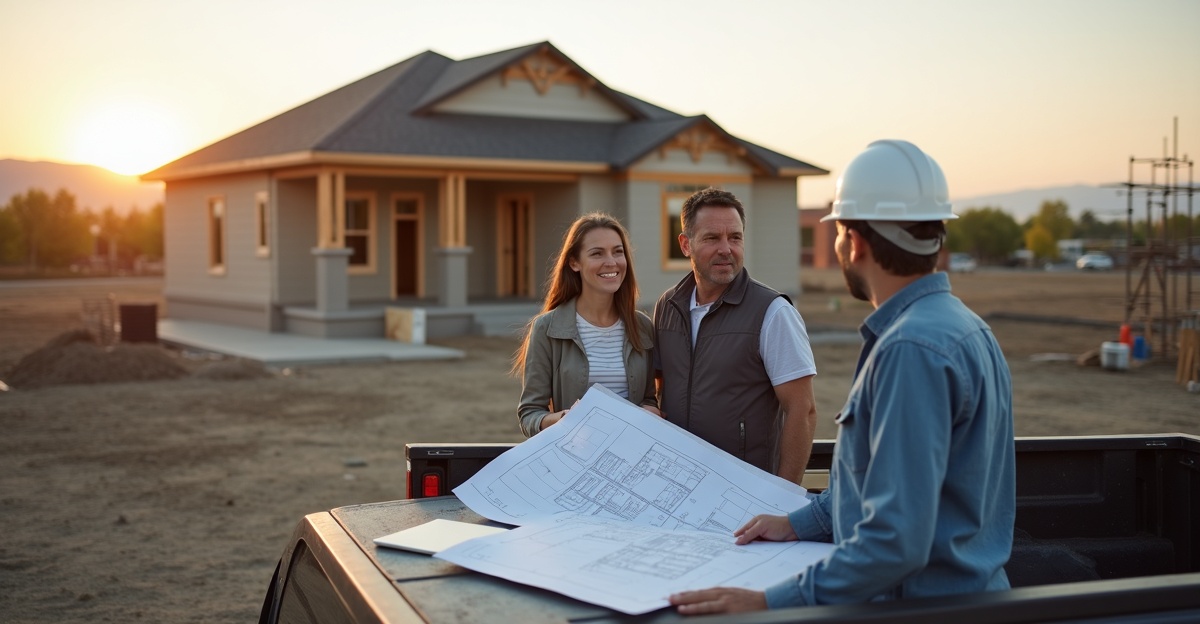
Choosing a custom home builder requires us to assess real experience, local Idaho Falls knowledge, proper licensing, and documented systems that affect cost control, scheduling, and build quality. We focus on builders who show clear budgeting methods, structured communication, strong subcontractor supervision, and written warranty coverage. These factors determine whether the team can handle permits, inspections, and post-completion service without exposing us to unnecessary risk.
Key Takeaways
- We verify the builder’s experience with projects similar in size, design, and location, and we review completed and active job sites to confirm consistent quality and organized management.
- We confirm current licensing, active insurance coverage, defined permit procedures, and proven knowledge of local zoning and building codes in Idaho Falls.
- We expect a documented construction process with written schedules, clearly defined milestones, and structured oversight from pre-construction planning through the final walkthrough.
- We require detailed line-item estimates, realistic allowances, and signed change orders so we maintain budget clarity and full financial control.
- We establish communication standards, confirm subcontractor supervision practices, and secure written warranty terms before we sign any contract.
Proven Experience With Projects Like Yours
Relevant experience carries real weight when choosing a custom home builder. Builders who consistently complete projects similar in size, budget, and design are better prepared to anticipate cost pressures, scheduling demands, and technical challenges. That experience reduces surprises and improves decision-making throughout the build.
A custom home builder in Idaho Falls should demonstrate clear examples of completed single-family custom homes. At the same time, it helps to understand whether the company also works as a multifamily builder Idaho Falls. Custom homes and multifamily projects require different coordination, budgeting structures, and trade management. A builder who understands both brings deeper organizational strength, but the experience must match the type of project being planned.
Local experience matters just as much as project type. Builders who have worked in Idaho Falls for years understand how winter construction affects foundation timelines, how frost depth influences footing design, and how regional energy code standards impact insulation packages. They also maintain working relationships with local subcontractors and suppliers, which helps stabilize schedules and material availability.
When evaluating a home builder, we recommend reviewing completed homes in person whenever possible. Finished projects show craftsmanship. Active job sites show organization. Clean, well-managed sites signal strong supervision and trade coordination. Speaking directly with past clients gives insight into communication, budgeting accuracy, and how challenges were handled.
Experience should be specific, visible, and recent. General claims are not enough.
Licensing, Insurance, and Understanding of Local Code Requirements
Proper licensing and insurance are foundational requirements for any Idaho Falls general contractor. A builder should carry current licensing, general liability insurance, and workers’ compensation coverage. These protections shield homeowners from financial exposure if an accident or property damage occurs during construction.
Permitting and inspections play a central role in how to choose a home builder. Every stage of construction — foundation, framing, mechanical systems, and final completion — requires building inspections required during residential construction. A builder must pull the correct permits and coordinate inspections without shortcuts. Skipped inspections can delay financing, complicate resale, and create long-term liability.
An experienced Idaho Falls general contractor also understands local zoning ordinances, subdivision covenants, and utility coordination. Setback requirements, lot grading rules, and water or sewer tie-ins must be addressed early to comply with Idaho Falls residential zoning and setback requirements. Overlooking these details can stall projects before ground is even broken.
As part of the process, homeowners should prepare direct questions to ask a custom home builder, including:
- Who is responsible for pulling permits and scheduling inspections?
- Have there been failed inspections in recent projects, and how were corrections handled?
- How do we coordinate with local utility providers?
- Can proof of insurance be provided before contract signing?
Compliance is not paperwork for its own sake. Proper documentation protects long-term property value and ensures the home meets local standards.
A Clear, Documented Custom Home Building Process
Clarity in the custom home building process reduces uncertainty for families planning to break ground within the next six to twelve months. A strong builder lays out defined phases and next steps early, so expectations stay aligned from start to finish.
Most custom home construction timelines follow structured stages:
Pre-Construction Through Permitting
This phase includes lot evaluation, budgeting discussions, preliminary design coordination, and engineering. It sets expectations before construction begins. A detailed overview of the steps to building a new home helps clarify how these early decisions affect later progress.
Builders should provide written schedules that outline major milestones. These typically include completion of plans, final pricing approval, permit submission, and site preparation.
Construction Through Final Walkthrough
After permits are approved, construction proceeds through foundation, framing, mechanical installation, insulation, drywall, interior finishes, and final inspections. Structured scheduling controls trade sequencing and manages lead times.
Strong project management systems include:
- Written construction schedules
- Regular on-site meetings
- Documented selection approvals
- Clear change order tracking
- Final walkthrough punch lists
Coordination between architects, engineers, suppliers, and subcontractors must remain consistent. Unclear direction causes delays and budget strain. A defined process reduces risk and keeps the custom home construction timeline realistic.
Budget Transparency and Change Order Management
Custom home budget transparency begins with a detailed, written estimate. Line items should clearly define labor, materials, allowances, and scope of work. Vague or lump-sum pricing limits accountability and increases the risk of cost escalation.
Allowances require careful review. An allowance is a placeholder amount used in construction estimates for items such as cabinets, flooring, or plumbing fixtures. If selections exceed that allowance, the homeowner pays the difference. Fixed-price components, on the other hand, carry firm costs as long as scope remains unchanged. Unrealistically low allowances may make an estimate look competitive but often result in higher final costs.
Understanding how contractors estimate custom home costs helps clarify where assumptions exist and where prices are firm.
Change orders should always be written, itemized, and approved before work proceeds. No custom project avoids changes entirely. Material upgrades, design adjustments, or site discoveries can require modifications. However, disciplined documentation protects both parties and reduces disputes.
We recommend including these questions to ask a custom home builder during budgeting discussions:
- How often are updated cost reports provided?
- How are allowance overages calculated?
- What is the markup structure on change orders?
- How do financing draws align with completed work?
For additional cost insight, reviewing details on the cost to build a custom home provides helpful context before finalizing design decisions.
Clear documentation supports financial control and sets realistic expectations.
Communication Standards and Subcontractor Oversight
Consistent communication directly affects schedule stability and cost control. Every custom home builder in Idaho Falls should establish how frequently updates are delivered and who serves as the primary point of contact.
Weekly or biweekly progress reports help track the custom home construction timeline. Written summaries document completed work, upcoming milestones, and pending decisions. Clear communication prevents missed selections, delayed materials, and rework.
Subcontractor oversight plays an equally critical role. Experienced builders maintain long-term working relationships with local electricians, plumbers, framers, and concrete crews. These relationships improve accountability and workmanship consistency. For example, proper structural framing sets the tone for quality throughout the home.
On-site supervision is essential. A builder must actively coordinate trades rather than allowing crews to operate independently. Scheduling gaps, overlapping work, and unmanaged details often lead to avoidable delays. Applying structured approaches, like those outlined in avoiding delays in home construction, strengthens overall execution.
Evaluating a home builder means observing how information flows between the field, the office, and the homeowner. Strong systems prevent confusion and keep projects moving forward.
Warranty Coverage and Post-Completion Service
A clearly defined custom home warranty reflects a builder’s commitment after move-in. Standard coverage typically includes workmanship for a defined period and structural components for a longer duration. Terms must be provided in writing.
Homeowners should clarify how service requests are handled. Ask about typical response times and whether warranty claims follow a written submission process. Understanding what is excluded is just as important as knowing what is covered.
Long-term value depends on build quality and whether the builder stands behind the work. When choosing a custom home builder, discussions should include expectations after occupancy, not just completion dates.
During consultations, we recommend preparing questions to ask a custom home builder such as:
- What does the custom home warranty include?
- How long does coverage last for structural components?
- How are post-move-in issues submitted and tracked?
- Is there a scheduled follow-up inspection after occupancy?
Clear answers provide confidence before signing a contract. To understand how early conversations should unfold, reviewing what to expect in a custom home consultation helps set expectations.
A reputable custom home builder should welcome these discussions and provide documentation without hesitation.
Frequently Asked Questions
When choosing a custom home builder, ask about experience with similar projects, licensing, insurance coverage, and their construction process. You should also request examples of completed homes, a detailed estimate, and written warranty terms. These questions help confirm the builder’s ability to manage budgets, supervise subcontractors, coordinate inspections, and deliver a well-built home on schedule.
You can verify a builder’s reputation by reviewing completed homes, visiting active job sites, and speaking with previous clients. Look for consistent craftsmanship, organized construction sites, and clear communication from the builder. Online reviews, local references, and proof of successfully finished projects provide insight into reliability, quality control, and how the builder handles challenges during construction.
Local experience helps builders understand regional building codes, weather conditions, and permitting requirements. In areas like Idaho Falls, knowledge of frost depth, winter construction scheduling, and energy efficiency standards can directly affect foundation design and insulation choices. Builders with strong local networks also maintain relationships with subcontractors and suppliers, helping keep construction timelines stable.
Change orders increase or decrease project costs when modifications are made after the initial contract. They may result from material upgrades, design changes, or site conditions discovered during construction. Each change should be documented with a written description, updated pricing, and homeowner approval before work continues. This process helps maintain transparency and prevents unexpected budget increases.
A custom home builder typically provides a workmanship warranty along with longer coverage for structural components. Workmanship warranties often last about one year, while structural coverage may extend for several years depending on the contract. Builders should also explain how service requests are submitted and tracked after move-in. Clear warranty terms ensure homeowners understand what repairs or corrections are covered.