
What Is the Best Time of Year to Start Building a House?
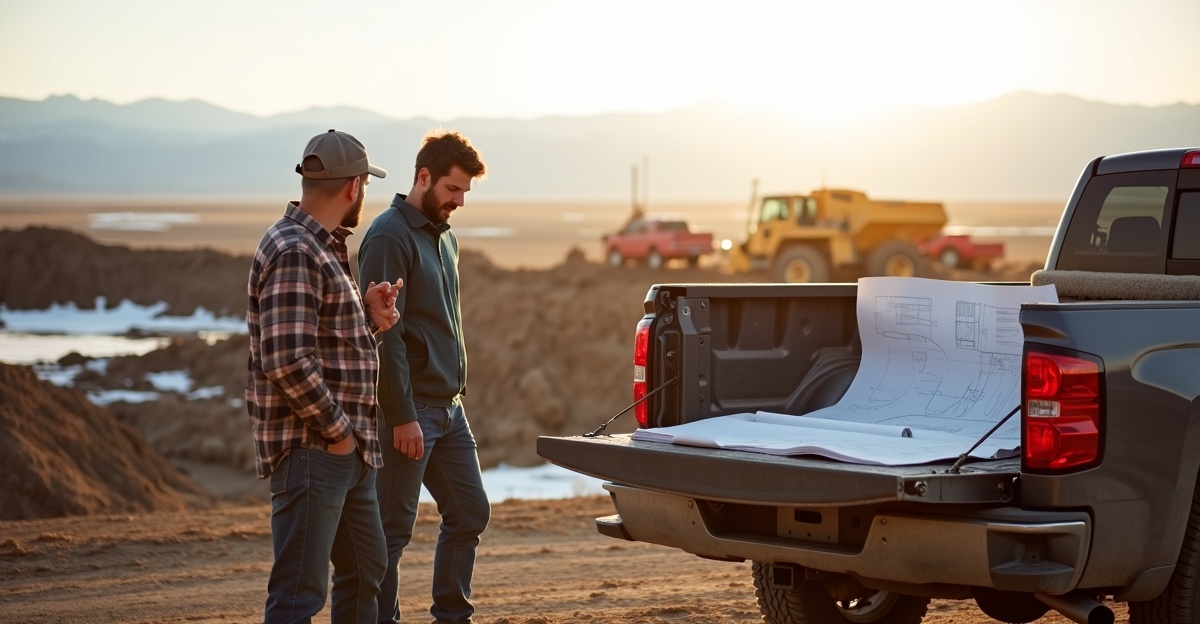
Determining the best time to build a house in Eastern Idaho depends on ground conditions, construction season timing, subcontractor availability, and the desired move-in date. In Idaho Falls, excavation usually begins in spring after frost leaves the ground, yet successful projects start planning 6–12 months earlier to align permits, materials, and trade scheduling with local climate patterns. We encourage clients to think ahead so each phase flows without costly delays.
Key Takeaways
- Construction season in Eastern Idaho usually begins in late March through May, once frost depth and snowpack no longer prevent excavation and foundation work.
- Spring and summer support consistent exterior progress, yet peak demand increases competition for subcontractors and can tighten material lead times. We secure trade partners early to protect timelines.
- Fall offers stable working conditions and more scheduling flexibility, while winter limits excavation yet allows interior work to continue once the home is enclosed. We sequence projects carefully to keep crews productive year-round.
- Soil conditions, concrete curing temperatures, and weather exposure directly affect build quality and must guide foundation and framing timelines. We monitor temperature swings and adjust pours and framing plans to avoid long-term performance issues.
- The most reliable approach is to plan backward from the desired move-in date, beginning design, budgeting, and permitting months before breaking ground. We map out each milestone in advance so construction stays predictable and efficient.
When Construction Season Starts in Eastern Idaho and What That Means for Your Timeline
Construction season in Eastern Idaho typically begins in the spring once frost leaves the ground and snowpack has melted enough to allow excavation. In Idaho Falls and surrounding communities, that often means late March through May, depending on winter severity and spring thaw conditions.
The ability to excavate and pour a foundation drives the start of physical construction. Frost depth, saturated soils, and lingering snow all determine whether crews can dig footings and set forms. If the ground remains frozen, foundation work either pauses or requires added protective measures that increase cost and risk.
Weather patterns shift from year to year. A mild winter can open job sites earlier, while a heavy snow year can push foundation work back several weeks. We plan each build around actual site conditions, not just the calendar.
The best time to build a house depends on more than the month. Ground conditions come first. After that, subcontractor scheduling, material lead times, and local permitting timelines influence the start date just as much as temperature.
Most homeowners begin planning 6–12 months before their desired move-in date. Design, budgeting, financing, and permits often take place in fall and winter, even if excavation begins in spring or early summer. That proactive approach protects the schedule once construction season arrives.
Eastern Idaho’s climate directly affects every phase of construction. Cold winters influence frost depth and site access. Spring thaw creates mud and soil movement. Hot summers impact crew efficiency and concrete curing. Each stage requires careful coordination specific to this region.
How Each Season Affects Cost, Scheduling, and Build Quality
Spring marks the typical start of construction season. As frost leaves the soil, excavation and foundation work can begin. Spring alignments support summer framing and roofing schedules. However, demand rises quickly, subcontractor calendars fill early, and muddy conditions can slow progress. Properly timing foundations as frost exits the ground is essential for long-term structural performance.
Summer represents peak construction activity. Dry weather supports steady framing, exterior sheathing, and roofing. While progress is often consistent, trade competition increases and supplier schedules tighten. High temperatures also influence concrete curing and worker productivity, which requires adjusting pour times and sequencing.
Fall offers cooler temperatures and stable conditions. As peak demand winds down, certain trades may offer improved scheduling flexibility. Exterior work must still be sequenced carefully to prevent weather exposure. Fall can be an ideal window to get the structure dried-in before winter snow arrives.
Winter presents the most limitations. Excavation becomes difficult once the ground freezes, foundations require cold-weather protection, and snow management adds cost. However, once a home is enclosed and heated, interior work can progress efficiently. Advanced planning helps manage concrete protection, safe access, and site logistics.
There is no universal answer. Each season carries trade-offs in cost, scheduling pressure, and workflow. The best time to build a house reflects a balance between regional climate realities and comprehensive project planning.
For comparison, roofing projects in other climates follow similar seasonal logic. In Florida, for example, timing decisions often revolve around hurricane season and heavy rain, as discussed in articles such as best time to replace a roof in Florida and roof repairs during rainy season. The principle remains consistent: climate drives sequencing.
Foundations, Excavation, and Weather Exposure: What Can’t Be Ignored
Frost depth in Eastern Idaho directly affects foundation design and excavation timing. Footings must extend below the frost line to prevent heaving. Starting too early in partially frozen soil can lead to movement that compromises structural stability.
Spring thaw introduces another concern: saturated soils reduce bearing capacity and complicate site preparation. Allowing time for drainage and stabilization before placing concrete helps protect long-term performance.
Concrete curing demands attention in both hot and cold conditions. High summer temperatures accelerate curing and increase cracking risk without moisture control. Winter cold slows strength development and can damage uncured concrete without protective measures.
Framing and roofing also require disciplined sequencing. Lumber exposed to extended moisture can warp, while snow and ice intrusion create delays and increase drying time. Roof installation timing matters in every region. In hurricane-prone climates, preparation recommendations such as prepare a roof for hurricane season demonstrate how weather exposure shapes construction decisions. Eastern Idaho faces different risks, but the logic remains the same.
Material performance also shifts with climate. Discussions like how humidity affects roofing materials illustrate how moisture influences durability. In this region, freeze-thaw cycles play a comparable role. Careful sequencing and protection matter more than simply rushing to break ground.
Labor Availability, Permits, and Material Lead Times Often Matter More Than Weather
While weather receives most of the attention, labor availability frequently controls the actual schedule. During peak construction months, skilled trades maintain full backlogs. Inspectors and permitting offices may also require longer turnaround times.
Material lead times fluctuate with broader market conditions. Windows, specialty finishes, and mechanical equipment can involve extended delivery periods. Locking selections in early improves schedule predictability.
Although some assume off-season discounts exist, seasonal savings are not guaranteed. High demand often offsets potential reductions. We prioritize securing dependable trades and realistic timelines over chasing temporary pricing assumptions.
Transparent scheduling and proactive communication significantly reduce surprises. Coordinating trades early and confirming delivery dates in writing helps maintain momentum. Other building sectors show similar trends. Roofing schedules in coastal states, for example, often tighten before storm season, as discussed in hurricanes damage shingle roofs articles. Availability shifts according to regional demand patterns, not simply temperature.
Homeowners also ask about overall construction duration. Comparisons to how long does it take to replace a roof illustrate how every building project requires carefully coordinated sequencing. A custom home operates on a larger scale, but the scheduling principles are comparable.
Planning Backward from Your Move-In Date: A Practical Example
We recommend beginning with a target move-in date and working backward through design and construction milestones.
Example timeline based on a summer move-in
The following framework provides a practical reference:
- Summer Move-In Goal: Begin design and budgeting the previous fall or early winter.
- Winter: Finalize plans, complete engineering, and submit permit applications before spring demand increases.
- Early Spring: Secure subcontractors and confirm major material orders.
- Mid to Late Spring: Begin excavation and foundation work as soon as soil conditions allow.
- Summer: Complete framing, mechanical rough-ins, insulation, and interior finishes.
For a fall move-in, design may begin in winter with ground breaking in early spring and an emphasis on getting the home dried-in before peak summer heat.
Custom homes involving acreage development, expanded utility coordination, or HOA approvals often require additional lead time. Larger and more complex builds extend each phase proportionally.
The best time to build a house ultimately depends on financing readiness, land preparation, project scope, and personal scheduling goals. Clearly defined expectations prevent seasonal delays and last-minute decisions.
Choosing the Right Start Date for Your Project in Idaho Falls
Climate conditions, construction season timing, subcontractor availability, permitting, financing, and your target completion window all shape the right start date. No single month works for every project.
In Idaho Falls, spring typically marks the visible start of construction. However, successful projects begin planning months earlier. Accounting for frost depth, snowpack, trade demand, and material lead times ensures smoother progress.
Local experience makes a difference. Eastern Idaho soil characteristics, winter severity, and regional labor cycles influence build outcomes in ways that do not appear on a calendar.
Property owners should carefully evaluate their goals, lot readiness, and desired move-in window. A measured, region-specific plan remains the most reliable way to determine the best time to build a house in Eastern Idaho.