
What Is A Construction Schedule and Why Does It Matter?
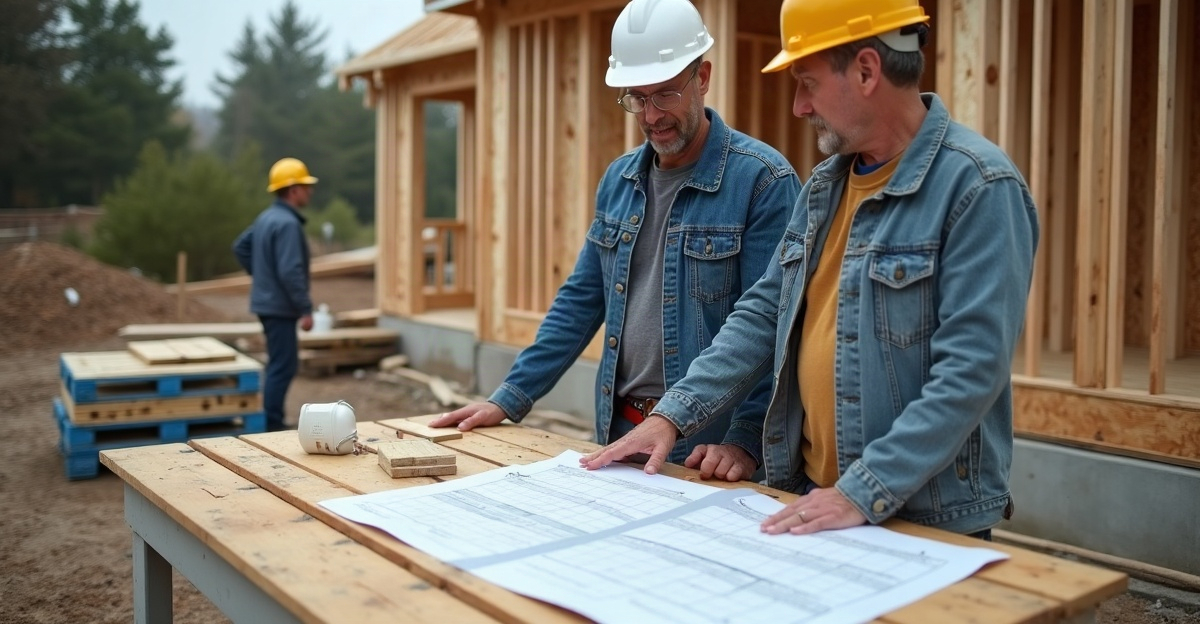
A construction schedule is a working plan that organizes project tasks, trade coordination, material orders, inspections, owner decisions, and milestones. It keeps construction moving in the correct sequence.
A well-managed schedule helps owners and developers track deadlines and identify potential impacts. It also supports practical adjustments for weather, permits, site conditions, product availability, and approved changes.
Key Takeaways
- A construction schedule offers more detail than a projected completion date. It shows the work and decisions needed to complete each phase.
- Milestones, task sequencing, critical-path activities, material lead times, and inspections all shape the project timeline.
- Early owner selections and approvals help prevent delays in ordering, installation, and follow-on trade work.
- Change orders should record scope, cost, and possible schedule impacts before work begins.
- Regular schedule updates and early communication help teams respond to weather delays, permit issues, site conditions, and material availability.
A Construction Schedule Is More Than a Completion Date
A construction schedule is a detailed working plan that identifies what needs to happen, when it should happen, who is involved, and which tasks must be complete before the next phase can begin. It serves as the day-to-day roadmap for a custom home, townhome, apartment building, or other construction project.
A projected completion date gives a general target. A construction schedule explains the work required to reach that target. It organizes construction tasks, owner decisions, material orders, inspections, trade partners, and site activity into a practical sequence.
We use a construction project schedule to coordinate labor and subcontractors, order materials at the right time, prepare for inspections, monitor progress, and communicate realistic updates. It also identifies deadlines for owner selections and approvals before those decisions affect the work.
A good construction work schedule supports a more predictable, better-coordinated build. It does not guarantee a completion date. Weather, site conditions, permit timing, product availability, and approved changes can require reasonable adjustments. The important point is clear communication and active management when conditions change.
For projects that need experienced oversight from planning through closeout, our general contractor services provide a clear process for coordinating the work.
Why a Construction Schedule Matters for Owners and Developers
An organized schedule helps owners and developers understand how the project will move from one phase to the next. It shows when major decisions are due, when financing may need to be available, and when site access or property requirements need attention.
Scheduling affects the completion target, budget control, material planning, subcontractor availability, inspections, and owner approvals. For example, a late cabinet selection may delay ordering. That delay can affect installation, countertops, finish plumbing, and final closeout. A clear schedule helps us identify that risk before it becomes a larger issue.
Prospective custom home clients and multifamily developers should look for a contractor that can explain the project sequence in plain terms. A contractor should communicate the source of a delay early, explain the affected work, and discuss available options. Simply announcing a new end date after the fact does not provide enough information to make sound decisions.
Exact schedules vary by project. Scope, site conditions, permitting, selections, labor availability, financing, and season all influence the timeline. We plan carefully and set reasonable targets, but we avoid universal promises for every custom home or multifamily project. For a closer look at the planning process, review our guidance on planning a custom home build.
What a Well-Planned Construction Project Schedule Includes
A well-planned construction schedule includes major milestones and target dates, trade coordination, permit and inspection requirements, material procurement, owner selection deadlines, and regular progress updates. It should also account for site conditions, weather exposure where appropriate, and the schedule effects of approved changes.
The schedule should identify long-lead products early. Windows, exterior doors, specialty finishes, cabinetry, fixtures, and other materials may require significant time between ordering and delivery. Confirming selections early gives us time to order products, coordinate installation, and protect the broader project sequence.
Change orders also belong in the schedule process. Each change should document the revised scope, cost, and possible timeline impact before work proceeds. This approach gives everyone a clear record and helps prevent assumptions from disrupting later phases.
Core Scheduling Terms
These terms help owners and developers understand how we manage project timing:
- Milestones: Major project checkpoints, such as permit approval, foundation completion, framing completion, drywall, final inspection, and closeout.
- Sequencing: Completing work in the correct order so later work is not delayed or damaged.
- Critical path: The chain of tasks that directly determines the earliest possible completion date. Delays to these tasks can delay the entire project.
- Lead time: The time between ordering a material or product and receiving it.
- Contingency: A reasonable time or planning allowance for known uncertainties, such as weather or supply availability.
- Change order: A documented adjustment to the original scope, cost, and potentially the schedule.
Contingency does not excuse poor planning. It gives the project a reasonable allowance for known risks while we continue to manage the work with discipline.
How the Work Moves From Preconstruction Through Closeout
Most custom home and multifamily projects move through a similar sequence, though the duration and details vary. Work commonly begins with preconstruction, budgeting, design coordination, and final scope development. Next come permit applications, approvals, site preparation, access planning, utility coordination, and excavation.
Foundation work follows site preparation. Once the foundation is ready, framing can begin. The structure then moves through dry-in, which generally includes roofing, exterior sheathing, windows, and exterior weather protection. Our structural framing services focus on keeping this critical stage coordinated with the work that follows.
After the structure is sufficiently complete, plumbing, electrical, and HVAC trade partners perform rough-in work. Required rough inspections typically must occur before insulation and drywall. Interior finishes follow drywall, including cabinetry, flooring, paint, trim, fixtures, and final mechanical connections. Exterior finishes, landscaping, and site completion may occur alongside interior work when conditions allow.
The final phase includes inspections, punch-list work, final approvals, and closeout. Each stage depends on work completed before it. Foundation work generally must be complete before framing. Framing and dry-in must be sufficiently complete before certain interior work can proceed. Rough mechanical work must pass inspection before insulation and drywall. Finish selections must be confirmed early enough to support ordering and installation.
A delayed window delivery provides a clear example. It can delay dry-in, which may delay insulation, drywall, interior finishes, and the overall construction work schedule. A qualified contractor should identify the affected critical-path tasks, review available options, and communicate the likely impact early. Our overview of the home framing timeline explains why framing and dry-in require close coordination.
What Can Change a Construction Work Schedule in Eastern Idaho
Some schedule adjustments are manageable and unavoidable. Others result from planning or communication problems that should have been addressed earlier.
Reasonable external factors include weather, permit review timing, inspection availability, site conditions, utility coordination, and unexpected material constraints. In Idaho Falls and throughout Eastern Idaho, winter weather can affect excavation, concrete work, site access, and exterior activities. Rural properties or difficult access routes can also affect deliveries and trade coordination. Permitting requirements vary by jurisdiction, so we review local requirements during planning rather than assuming every project follows the same path.
Material delivery needs careful review when seasonal conditions affect the project. Long-lead items should be identified early, ordered on time, and tracked through delivery. This is one practical way we work to avoid construction delays.
Preventable delays often come from incomplete planning, unclear scope, weak subcontractor coordination, late communication, or missed selection deadlines. We reduce these risks by establishing decision points early, confirming responsibilities, and providing regular schedule updates. A schedule should change when facts change, but it should never be used to hide avoidable problems.
Owner Responsibilities and Questions to Ask Before Construction Begins
Owners play an important role in keeping the schedule moving. This does not mean owners must manage subcontractors or inspections. We handle that coordination. However, timely selections, approvals, financing readiness when applicable, and early disclosure of property requirements help us keep work on track.
Delayed selections or approvals can affect material ordering, trade coordination, and critical-path work. Property access limits, utility requirements, homeowner association rules, and site restrictions should also be shared early. A clear partnership helps us address these items before crews or deliveries are affected.
Before construction begins, we recommend asking direct scheduling questions. Ask what major milestones will appear in the schedule and how often updates will be provided. Confirm which selections and approvals are needed, along with the deadlines for each. Discuss how the contractor accounts for material lead times, long-lead items, inspections, weather, and site conditions.
It is also important to ask how change orders affect the construction schedule, who coordinates subcontractors and inspections, and what happens if a critical-path task is delayed. These questions reveal whether the contractor has an organized process and communicates openly.
A construction schedule is not the same as a completion guarantee. It is a working plan used to manage the project and communicate reasonable adjustments. Updates should occur regularly and whenever a meaningful change affects milestones, decisions, or completion expectations.
When an owner changes the scope of work, a change order should document the adjustment to the original scope, cost, and potentially the schedule. Weather can also delay construction in Idaho Falls and Eastern Idaho, especially when winter conditions affect excavation, concrete work, access, or exterior activity. Material and finish selections should be made early enough to account for approval, lead time, delivery, and installation requirements.
For custom homes, we build the schedule around the actual project scope, site, and selections. Learn more about our custom home building process or contact our team to discuss project planning and scheduling.