
What Causes Delays in Home Construction Projects?
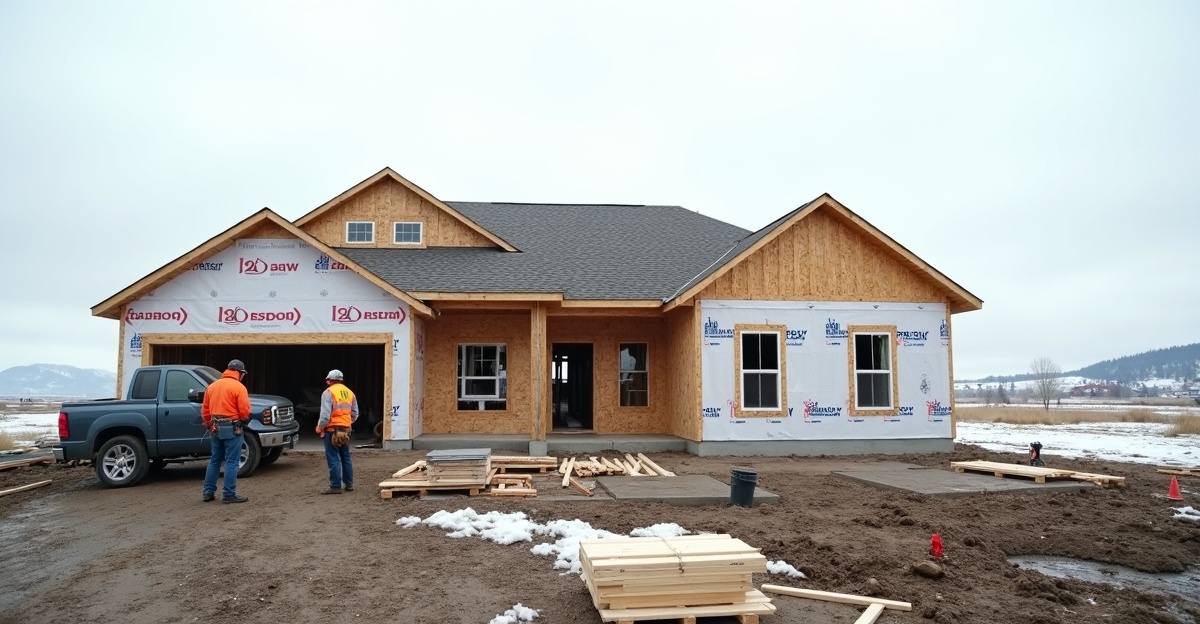
Construction delays in home building projects usually stem from permitting timelines, material lead times, trade coordination, seasonal conditions, and mid-project changes rather than one isolated issue. In Eastern Idaho, we see municipal inspections, long-lead custom products, subcontractor scheduling during peak season, weather limits, and financing or design revisions shape how a realistic construction schedule plays out.
Key Takeaways
- Permit approvals and inspection scheduling depend on municipal workload and complete plan submissions, which can add time early and throughout the build.
- Long-lead materials such as windows, trusses, cabinets, and specialty fixtures often extend timelines, especially when selections are made late.
- Subcontractors work in sequence, so delays in one trade or inspection can shift the schedule for multiple crews.
- Eastern Idaho weather, including frozen ground, snow, wind, and spring moisture, directly affects excavation, concrete, framing, and exterior work.
- Design changes, incomplete selections, and lender-related draw or appraisal timing frequently create preventable mid-project slowdowns.
Understanding What “On Time” Really Means in a Home Build
Construction timelines are built around phases, inspections, and coordination—not fixed calendar promises. A realistic schedule reflects how work actually progresses on a job site. It accounts for excavation, foundation, framing, mechanical rough-ins, insulation, drywall, finishes, and final inspections.
Most custom homes in Eastern Idaho take several months to over a year to complete. The range depends on square footage, architectural complexity, site conditions, and the season when construction starts. A straightforward build on a prepared lot moves differently than a custom home with extensive site work and specialty finishes.
It helps to separate avoidable delays from unavoidable variables. Late material selections or incomplete plans are preventable. Weather interruptions or municipal inspection timing are not always within anyone’s control. Both affect scheduling, but they require different management strategies.
Experienced builders include contingency time in their schedules. We plan for typical slowdowns without promising an exact completion date months in advance. That approach protects homeowners from unrealistic expectations and reduces pressure that can lead to rushed decisions.
Clear expectations at the beginning help prevent frustration later. Once scheduling fundamentals are understood, the specific causes of common delays in home construction make more sense.
Permit Delays in Construction and Local Approval Timelines
Permit approvals are one of the earliest variables in any project. Permit delays construction projects face in Idaho Falls and surrounding Eastern Idaho communities vary by municipality, workload, and project scope.
The process typically follows these steps:
- Plan review by the building department
- Revisions if corrections are required
- Formal approval and permit issuance
- Scheduled inspections at foundation, framing, mechanical, and final stages
Incomplete architectural or engineering plans are a leading cause of early-stage delays. Missing structural details, energy calculations, or site information often trigger correction notices. Each revision cycle adds time before work can begin.
Inspection timing can also affect progress. During peak building season, municipal departments handle high volumes of requests. Foundation or framing inspections may be scheduled several days out, especially in late spring and summer when construction activity increases.
We reduce risk by submitting complete documentation early and confirming requirements before breaking ground. Even with solid preparation, final approval timelines remain partially outside a builder’s control. Clear communication with permitting offices and organized submissions make a difference, but they cannot eliminate every delay.
Material Lead Times and Supply Chain Variables
Material availability plays a major role in construction delays home building projects encounter. Some products arrive quickly. Others require weeks or even months.
Long-lead items often include:
- Windows and exterior doors
- Roof trusses
- Custom cabinetry and millwork
- Specialty plumbing and lighting fixtures
- Garage doors
- HVAC equipment
Upgraded or special-order materials extend timelines further. Custom colors, nonstandard sizes, and imported products typically carry longer production cycles. Manufacturer backorders or temporary production gaps can also shift delivery dates after orders are placed.
Early product selections remain one of the most effective ways to reduce delays. Finalizing windows, cabinets, flooring, and major fixtures before framing is complete allows orders to be placed in time for scheduled installation.
Waiting too long to choose finishes can stall progress. For example, cabinets must be installed before certain flooring transitions and finish carpentry details can be completed. If cabinetry is delayed, multiple trades may need to adjust their schedules.
We advise homeowners to make key selections early and confirm availability rather than assuming lead times will remain unchanged. Steady planning prevents last-minute surprises.
Subcontractor Scheduling and Trade Coordination
Residential construction depends on multiple specialized trades working in sequence. Excavation crews prepare the site. Concrete teams pour foundations and flatwork. Framers build the structure. Plumbing, electrical, and HVAC contractors complete rough-ins. Roofers, drywall installers, painters, and finish carpenters follow in defined order.
Trade availability in Eastern Idaho tightens during spring and summer. The peak building season increases demand, and reputable crews often book projects weeks in advance.
Construction sequencing creates built-in dependencies. Drywall cannot begin until rough plumbing, electrical, and HVAC work passes inspection. Flooring installation may wait until cabinetry and interior doors are set. Exterior siding typically follows roofing and window installation.
If one trade runs behind schedule, others may need to shift their start dates, especially if buffers are limited. This often reflects coordination realities during a busy season rather than poor performance.
Consistent oversight and communication limit disruption. We confirm schedules with subcontractors, monitor inspection status closely, and adjust timelines early when small issues appear. Structured project management keeps trades aligned and reduces ripple effects from isolated delays.
Weather and Seasonal Constraints in Eastern Idaho
Seasonal conditions in Idaho Falls and surrounding areas influence construction pacing. Frozen ground during winter can delay excavation and underground utility installation. Concrete requires specific temperature ranges for proper curing. Extreme cold may require heated enclosures or adjusted pour schedules.
Heavy snowfall, wind, and extended cold periods slow exterior framing, roofing, and siding work. Safety considerations also factor into weather decisions. Crews cannot work efficiently in high winds or icy conditions.
Spring moisture introduces additional challenges. Saturated soil can complicate site work and affect foundation preparation. Access for heavy equipment may become limited until ground conditions stabilize.
Predictable seasonal slowdowns differ from rare weather disruptions. Winter building typically proceeds at a measured pace with built-in planning adjustments. Severe storms or prolonged temperature extremes create more significant shifts.
We account for seasonal patterns in scheduling. Starting a project in late fall carries different expectations than breaking ground in midsummer. Proper planning helps reduce disruption, although weather remains one of the few factors no contractor can fully control.
Design Changes, Financing Holdups, and Mid-Project Adjustments
Owner-requested changes after construction begins frequently cause delays. Even small revisions can require pricing updates, new material orders, or structural adjustments.
A change in window size may trigger framing modifications. Selecting a different exterior finish could require additional lead time. Relocating plumbing fixtures might impact mechanical layouts. Each adjustment requires coordination across trades.
Revisions sometimes require updated permits or follow-up inspections, extending timelines even when the change appears minor.
Financing timing can also affect progress. Lender appraisal schedules, draw approvals, or documentation gaps may temporarily pause work if funding is tied to inspection milestones. Clear communication with lenders helps, but administrative processes can still add days or weeks.
Incomplete design decisions before groundbreaking remain one of the most preventable sources of delay. Finalizing floor plans, elevations, finish schedules, and allowances early creates stability once construction begins.
We guide clients through budgeting, material selections, and realistic scheduling during preconstruction. Early planning reduces uncertainty and limits mid-project surprises. While no build is entirely free of delays, preparation and steady communication make a measurable difference.
For homeowners planning a project in Idaho Falls or elsewhere in Eastern Idaho, we recommend scheduling a consultation to review scope, site conditions, and timing considerations specific to the property. A direct conversation allows us to outline a practical timeline based on real conditions and clear expectations.