
What Are the Steps to Building a New Home?
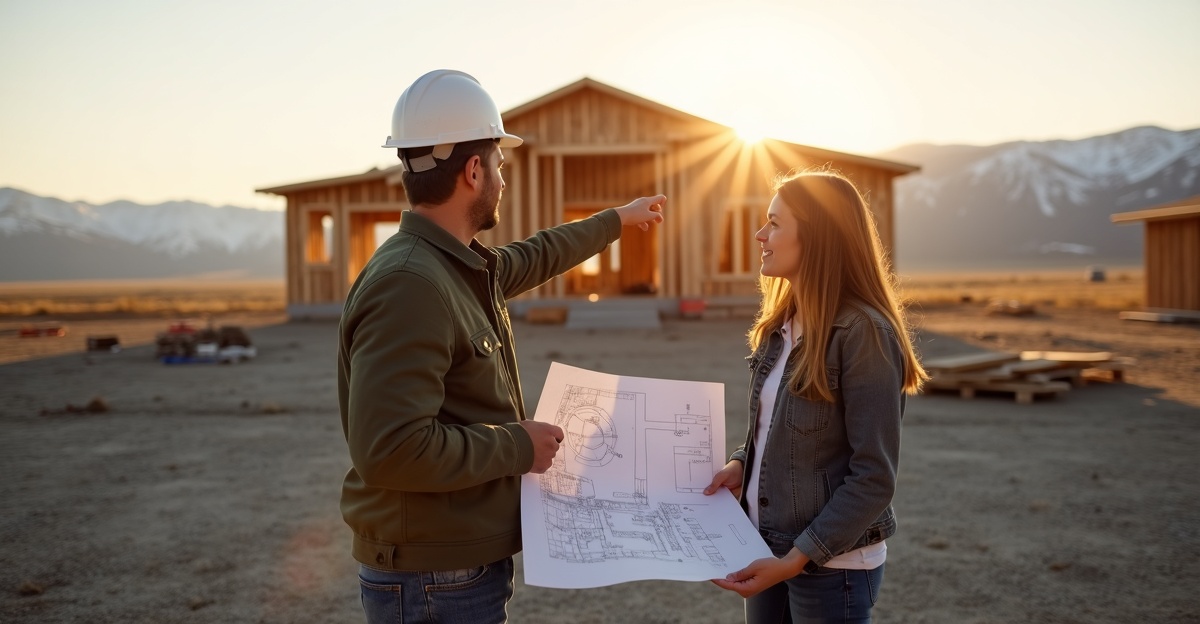
Building a new home follows a clear, step-by-step process. We guide clients through each phase so they understand the steps to build custom home projects and set realistic expectations for budget, design, permits, construction, and move-in. From early planning and financing in Eastern Idaho to inspections, subcontractor coordination, and warranty follow-up, each stage demands firm decisions, written approvals, and steady involvement from both our team and the homeowner.
Key Takeaways
- The main phases include planning and budgeting, design and pre-construction, permits and approvals, site prep and foundation, framing and rough-ins, interior and exterior finishes, final inspections, and move-in.
- Custom homes require active participation, timely selections, and clear communication between our team, designers, lenders, subcontractors, and inspectors.
- Budget accuracy depends on finalized plans, detailed specifications, early financing approval, and a recommended 5–10% contingency for unforeseen conditions.
- Permitting, inspections, weather, and subcontractor scheduling directly impact the timeline, which often ranges from 8–14 months in Eastern Idaho.
- Final walkthroughs, lender coordination, and a clear understanding of warranty coverage ensure a smooth transition into homeownership.
The Complete Overview: From Planning to Move-In
Building a home follows a clear sequence. The main new home construction steps include: planning and budgeting; design and pre-construction; permits and approvals; site prep and foundation; framing and dry-in; rough-ins; interior and exterior finishes; final inspections and walkthrough; and move-in and warranty.
A custom home differs from a production home in how decisions are made. In a custom home, we work from homeowner-driven design, active decision-making, tailored plans, and flexible specifications. Production homes rely on pre-set plans with limited selections and fixed packages. The steps to build a custom home require ongoing participation and timely decisions.
Most custom homes in Eastern Idaho take about 8–14 months from contract to completion. The home building timeline depends on size, design complexity, permitting, weather, and subcontractor scheduling. We focus on realistic projections rather than guarantees.
Several key roles shape the custom home building process. The owner sets priorities and makes selections. An Idaho Falls custom home builder coordinates daily construction. Designers or architects prepare plans. Subcontractors perform specialized trades. Lenders manage construction financing. City or county inspectors verify code compliance. Clear communication between each party determines what to expect when building a home and whether the project stays on track.
Planning and Budgeting: Laying the Groundwork
Every project begins with defining clear goals. We establish square footage targets, layout needs, storage requirements, and long-term plans. Distinguishing must-haves from nice-to-haves keeps the project aligned with budget and priorities.
Lot selection plays a central role in how to build a custom home in Idaho. Soil conditions affect excavation and foundation costs. Utility access determines connection fees and trenching work. HOA guidelines may restrict exterior materials or rooflines. Lot orientation influences natural light and energy performance. Access for excavation equipment and concrete trucks also matters. Overlooking these details can increase the cost to build a custom home.
Financing should be addressed early. Construction loan pre-approval clarifies spending limits and lender requirements. Appraisals rely on plans and specifications, as outlined in construction loan appraisal requirements from federal housing finance guidance, so incomplete drawings or vague finishes can slow approval. Many lenders require final plan sets before issuing a full construction commitment.
The cost to build a custom home varies widely depending on structural complexity, finish levels, and site conditions. Larger spans, tall ceilings, upgraded window packages, and intricate rooflines increase cost. Difficult soil or extensive excavation adds engineering expenses. We provide budget ranges and then narrow them as plans and specifications are finalized.
Contingency planning is essential. We generally recommend reserving 5–10% of the construction budget for unforeseen conditions or owner-driven upgrades, a practice commonly recommended in construction contingency planning guidance from housing authorities. Scope changes, material price fluctuations, or hidden site issues can impact the total investment.
One common mistake is underestimating how long selections and lender approvals take. Cabinet layouts, tile choices, and exterior finishes require time. Appraisals and loan documentation also add weeks. Aligning scope with budget early prevents redesign work and avoids unnecessary delays.
Design and Pre-Construction: Turning Ideas Into Buildable Plans
The home design and build process starts with floor plan development. We collaborate with a designer or architect to translate ideas into scaled drawings. Structural engineering is added where required, especially for large openings, complex roof systems, or expansive basements common in Eastern Idaho.
Several early decisions strongly influence price. Rooflines affect framing labor and material quantities. Foundation type—full basement, crawl space, or slab-on-grade—changes excavation depth and concrete volume. Total square footage impacts structural loads and mechanical sizing. Window packages, exterior siding, and cabinetry levels also drive cost differences.
During pre-construction, we provide preliminary pricing and refine scope. This stage helps prevent surprises later. Clear specifications protect both sides. They define product allowances, installation standards, and what’s included in the contract.
Change orders deserve special attention. A change order is a written modification to the original contract that affects cost, schedule, or both. Late design changes often extend the home building timeline because materials may need to be re-ordered and subcontractors rescheduled. In a custom home building process, decisions continue during construction, but early clarity reduces disruption.
Homeowner involvement remains consistent throughout this stage. We ask for timely decisions on fixtures, finishes, and layouts. Prompt communication helps maintain momentum and reduces avoidable costs.
Permits and Approvals in Idaho Falls
Construction permitting in Idaho Falls requires formal submission of site plans, engineered drawings, energy code documentation, and utility approvals. City and county requirements differ depending on project location. Some lots fall within city limits, while others follow county jurisdiction.
Inspectors review plans before issuing permits. No construction can begin until permits are approved. The permitting timeframe typically ranges from several weeks to a few months, depending on agency backlog and project complexity.
Inspection scheduling continues throughout construction. Key inspections occur at footing and foundation stages, framing, mechanical systems, and final completion, as outlined in standard residential construction inspection stages under building code compliance. Passing each inspection is required before proceeding to the next phase.
Seasonal conditions affect scheduling in Eastern Idaho. Frost depth requirements often lead to full basements. Winter excavation can slow progress due to frozen ground. Concrete curing requires temperature control in cold months. Weather-related interruptions must be factored into construction planning. We discuss the best time of year to start building to determine how seasonal factors may influence each project.
Construction Phases: From Site Prep to Finishes
Construction begins with site preparation. This phase includes excavation, soil evaluation, compaction, and foundation installation. In our region, full basements are common due to frost depth, though crawl spaces and slab-on-grade options may suit certain lots. Foundation inspections occur before backfill to verify structural compliance.
Framing follows. Walls, floor systems, and roof structures take shape. Exterior doors and windows are installed. Roofing and weather barriers complete the “dry-in” milestone, which protects the interior from weather exposure. Detailed information about framing duration is available in this overview of the typical timeline for framing a home.
Next come rough-ins. Plumbing lines, HVAC ductwork, and electrical wiring are installed. Inspections occur before insulation covers the systems. After approval, insulation, drywall hanging, taping, and texturing follow.
Interior finishes bring the home to life. Cabinets, interior doors, trim, flooring, tile, fixtures, and paint are installed in sequence. Exterior work includes siding, masonry, exterior paint, grading, and basic landscaping. Subcontractor scheduling affects progress. Flooring must follow drywall. Cabinets must precede countertops. Electrical trim occurs after painting. Coordination prevents idle time between trades.
Late material selections frequently trigger change orders. Delayed tile choices or fixture selections may push back installation dates. For a broader view of potential scheduling pitfalls, we recommend reviewing how to avoid delays in home construction. A general overview of expected durations can also be found in this discussion of how long it takes to build a custom home. These resources clarify realistic expectations for the home building timeline.
Final Inspections, Walkthrough, and Post-Completion
As construction nears completion, we conduct a punch list walkthrough. The builder and homeowner review each space and identify incomplete items or touch-ups. Documentation ensures accountability and clear expectations for resolution.
Final city or county inspections verify code compliance. Once approved, a Certificate of Occupancy is issued. Only then can move-in occur legally.
A homeowner orientation follows. We review HVAC operation, water shutoff locations, electrical panel labeling, and basic maintenance guidance. Understanding these systems prevents unnecessary service calls and extends product life.
Lender coordination is also required at this stage. The final draw aligns with inspection approval and project closeout. Timely lender communication prevents funding delays.
Warranty coverage varies by component. Many builders provide a one-year workmanship warranty, while manufacturers offer warranties on appliances, roofing materials, and mechanical systems. Written documentation outlines specific coverage details.
Common homeowner mistakes include postponing walkthrough decisions, neglecting routine maintenance, or delaying communication about concerns. Early reporting allows us to address issues efficiently.
Building a home requires steady planning and consistent involvement. For those planning construction in the Idaho Falls area within the next year, reviewing our custom home build services and scheduling a consultation through our contact page can help clarify budget, scope, and scheduling expectations before construction begins.
Frequently Asked Questions
The first step in building a custom home is planning and budgeting. Homeowners define their priorities, desired layout, square footage, and overall budget before any design work begins. This stage also includes selecting a lot, reviewing zoning or HOA requirements, and securing construction loan pre-approval. Establishing clear goals early helps guide the design process and prevents costly revisions later.
Most custom homes take about 8–14 months to complete, depending on design complexity, permitting timelines, weather conditions, and subcontractor availability. The process begins with planning and design, followed by permitting, site preparation, framing, mechanical installations, interior finishes, and final inspections. Delays can occur if material selections are late or if permit approvals take longer than expected.
Before construction begins, builders must obtain building permits from the local city or county authority. Permit applications typically include site plans, engineered drawings, structural details, and energy compliance documentation. Local officials review these documents to ensure the home meets building codes and zoning regulations. Construction cannot start until permits are approved and issued.
The most expensive stages of building a custom home usually include foundation work, framing, mechanical systems, and interior finishes. Costs increase with complex rooflines, large structural spans, high-end cabinetry, upgraded windows, and detailed tile or flooring selections. Site conditions such as poor soil or difficult excavation can also raise foundation costs and affect the overall budget.
Yes, design changes can be made during construction through a formal change order. A change order is a written agreement that updates the contract scope, cost, or timeline. While adjustments are possible, late changes often increase expenses and may delay progress because materials must be reordered or subcontractors rescheduled. Finalizing major selections before construction helps keep the project on schedule.