
How to Prep Your Lot for Construction
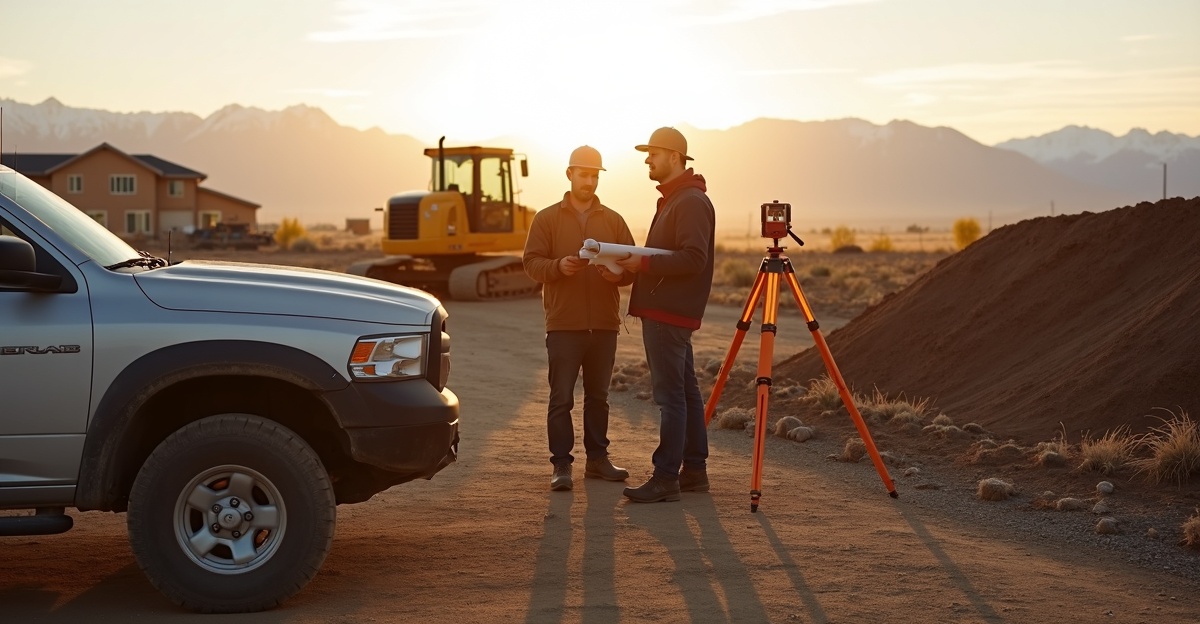
Preparing land for a home build demands more than simple clearing and excavation. We assess the site, test the soil, secure permits, coordinate utilities, plan grading, and engineer drainage to protect foundation performance. This guide explains how we prepare a lot for construction in Eastern Idaho, where soil profiles, frost depth requirements, snowmelt runoff, and site access influence cost, schedule, and long-term durability.
Key Takeaways
- We start with a full site evaluation to review slope, drainage patterns, access, zoning, setbacks, and buildable area before we finalize design plans.
- We confirm property boundaries with a professional survey and complete geotechnical soil testing to evaluate bearing capacity, expansive soils, groundwater levels, and frost depth requirements.
- We coordinate building permits and utility installation early because approval timelines, provider schedules, and weather conditions often delay progress.
- We complete clearing, grading, engineered fill placement, compaction, and drainage planning to create stable support and direct water away from the foundation.
- We prevent common delays by aligning lot constraints, soil conditions, utilities, and design decisions early, which helps us control costs and reduce the risk of foundation problems.
What Happens Before You Ever Pour a Foundation
Preparing land for home build involves far more than clearing dirt and staking corners. True site preparation for home construction includes evaluation, permitting, utility coordination, grading, drainage planning, and precise foundation preparation steps.
In Idaho Falls and across Eastern Idaho, lot conditions shape almost every decision. Expansive soils, rocky subsurface conditions, snowmelt runoff, and frost depth requirements outlined in residential building codes all affect how we design and build a foundation. Early planning protects the schedule, controls the cost of site work Idaho, and supports long-term durability.
Lot preparation before building directly impacts how well a foundation performs years from now. Drainage mistakes and poor soil preparation often show up after the structure is complete. We address those factors before concrete ever arrives. That discipline prevents avoidable repairs and keeps the build on solid ground from day one.
Start With a Site Evaluation and Feasibility Review
Every project begins with a full site walk. We study slope, drainage patterns, access points for equipment, and visible constraints like trees, rock outcrops, or neighboring structures. This first pass shapes the conversation before design work progresses too far.
Confirming zoning, land use requirements, and Idaho Falls building permits early is critical. We advise clients to verify current regulations with local authorities and review the approval processes through Bonneville County. Setbacks, buildable area, height limits, and utility easements can all limit the usable footprint of a lot.
A feasibility review should happen before finalizing plans. Redesigning a home after discovering access issues or slope constraints adds unnecessary cost. Steep grades, tight access for concrete trucks, rock excavation, and the need for imported structural fill are common cost drivers. Identifying those factors early allows us to align design and budget from the start.
Understanding lot preparation before building also helps determine if the property supports a custom home or a multifamily development. We guide clients through the broader new home construction process so site realities inform every phase that follows.
Surveying and Soil Testing: Know Your Boundaries and Your Ground
Before excavation begins, boundaries must be confirmed. A professional land survey prevents encroachment issues and ensures compliance with setbacks and easement restrictions. Guessing at lot lines creates long-term legal and financial risk.
Soil testing for home construction provides essential insight documented in geotechnical engineering reports used for foundation design. In Eastern Idaho, expansive soils can shift with moisture changes. Ground with low bearing capacity may require over-excavation and engineered fill. Frost depth Idaho requirements also influence footing depth and foundation preparation steps.
A geotechnical report typically evaluates:
- Bearing capacity and compaction requirements
- Presence of expansive or collapsible soils
- Groundwater conditions and drainage concerns
- Recommended footing depth based on frost depth Idaho standards
Skipping soil testing may seem like a cost savings, but it often leads to settlement, cracking, or foundation performance issues later. Correcting those problems after construction costs far more than early testing. Accurate subsurface data also helps create a realistic site work budget.
Snowmelt and seasonal moisture patterns deserve special attention. Spring runoff can overwhelm poorly planned sites. Soil conditions combined with drainage patterns determine how we approach grading and foundation protection.
Permits, Utilities, and Coordination That Can Delay a Project
Permit sequencing requires planning and steady follow-through. Idaho Falls building permits and inspection timelines are rarely fixed. Approval schedules can fluctuate based on volume and staffing. We encourage reviewing required building permits early and confirming specific requirements with local officials.
Utility installation for new construction often presents hidden challenges. Water, sewer or septic systems, power, gas, and communication lines must all be coordinated. Distance to existing mains, capacity limitations, and easement restrictions can shift both cost and schedule.
Provider scheduling also plays a major role. In peak seasons, trenching crews and service hookups may be booked weeks out. Weather adds further complexity. Frozen ground in winter and saturated soils in early spring can slow trenching and inspection approvals. Reviewing best time to start building helps set realistic expectations.
Utility coordination often overlaps with grading and foundation prep. That overlap must be managed carefully. Installing a water line after final grading may require rework. Likewise, poor sequencing can disrupt compaction or damage finished site elevations. Strong coordination between owner, engineer, and contractor reduces those risks. Clear communication aligns everyone’s scope before excavation begins.
Clearing, Grading, Drainage, and Compaction
Land clearing for new home construction typically includes vegetation removal, stripping topsoil, and hauling debris. If an existing structure sits on the lot, demolition and proper disposal add another layer of planning.
Once cleared, the focus shifts to site grading and drainage. We establish rough grade, balance cut and fill where possible, and build a pad designed for proper compaction. In some cases, unsuitable material must be removed and replaced with engineered fill. Each lift is compacted to meet specification so the structure has stable support.
Drainage planning protects the foundation long term. Finished grades must direct water away from the home in accordance with recommended residential foundation drainage practices. In snow-heavy climates, runoff control becomes even more important. Improper grading can lead to water intrusion, crawl space moisture issues, or basement leaks.
Erosion control measures should be in place during active construction. Silt fencing, stabilized construction entrances, and controlled stockpiles limit sediment runoff and maintain compliance with local requirements.
Site grading and drainage are structural decisions, not cosmetic ones. Foundation systems, including footings and structural framing, depend on stable soil conditions. Errors during this phase are difficult and expensive to correct once vertical construction begins.
Cost Variables and Common Mistakes That Lead to Delays
The cost of site work Idaho projects varies widely. Two lots in the same subdivision can carry very different preparation costs. Slope, soil conditions, rock excavation, drainage improvements, and distance to utilities all influence the budget.
We avoid rigid dollar figures because each site presents unique factors. Instead, we recommend reviewing the lot with a qualified contractor early. A clear scope reduces surprises and improves cost accuracy.
Several common mistakes create delays and budget overruns:
- Underestimating utility installation for new construction
- Skipping soil testing for home construction
- Overlooking drainage needs in snow-heavy climates
- Finalizing home plans without understanding lot constraints
- Failing to maintain clear communication between owner, engineer, and contractor
These missteps often compound one another. Poor coordination leads to schedule pressure. Schedule pressure leads to rushed decisions. Rushed decisions add cost.
Thorough preparation remains the best way to avoid construction delays. A disciplined approach to preparing land for home build protects the investment and supports long-term performance.
We review site feasibility, outline utility coordination, and discuss realistic timelines before excavation begins. Whether the project involves a custom home build or larger multifamily construction, early planning aligns scope, schedule, and budget.
For property owners ready to move forward, the next step is a focused discussion about site conditions and goals. We invite clients to schedule a consultation so we can evaluate the lot, identify constraints, and lay out clear next steps before construction begins.
Frequently Asked Questions
Preparing land for a home build starts with a site evaluation, boundary survey, and soil testing. These steps reveal slope, drainage patterns, access issues, setback limits, and subsurface conditions. After that, the work usually moves into permits, utility planning, clearing, grading, compaction, and drainage design so the foundation has stable, dry support.
Soil testing is important because it shows whether the ground can safely support the home. A geotechnical report can identify bearing capacity, expansive soils, groundwater concerns, and required footing depth. That information helps prevent settlement, cracking, drainage problems, and foundation movement that may become expensive to fix after construction.
Utilities should be planned early, often before final grading and foundation work are complete. Water, sewer or septic, power, gas, and communication lines all need coordination with local providers and inspectors. Poor timing can cause rework, delay inspections, or disturb compacted soil, which increases cost and slows the construction schedule.
Lot clearing removes vegetation, topsoil, debris, and sometimes existing structures from the property. Site grading shapes the land to create proper elevation, stable building pads, and controlled drainage flow. Both are necessary, but grading is what helps direct water away from the home and supports long-term foundation performance.
The most common delays come from skipping soil tests, underestimating utility coordination, ignoring drainage needs, and designing the house before understanding lot limits. These problems often lead to redesigns, added excavation, or inspection issues. Early planning with the contractor, engineer, and local officials helps reduce surprises and keeps the project moving.