
How Much Does It Cost to Build a Custom Home?
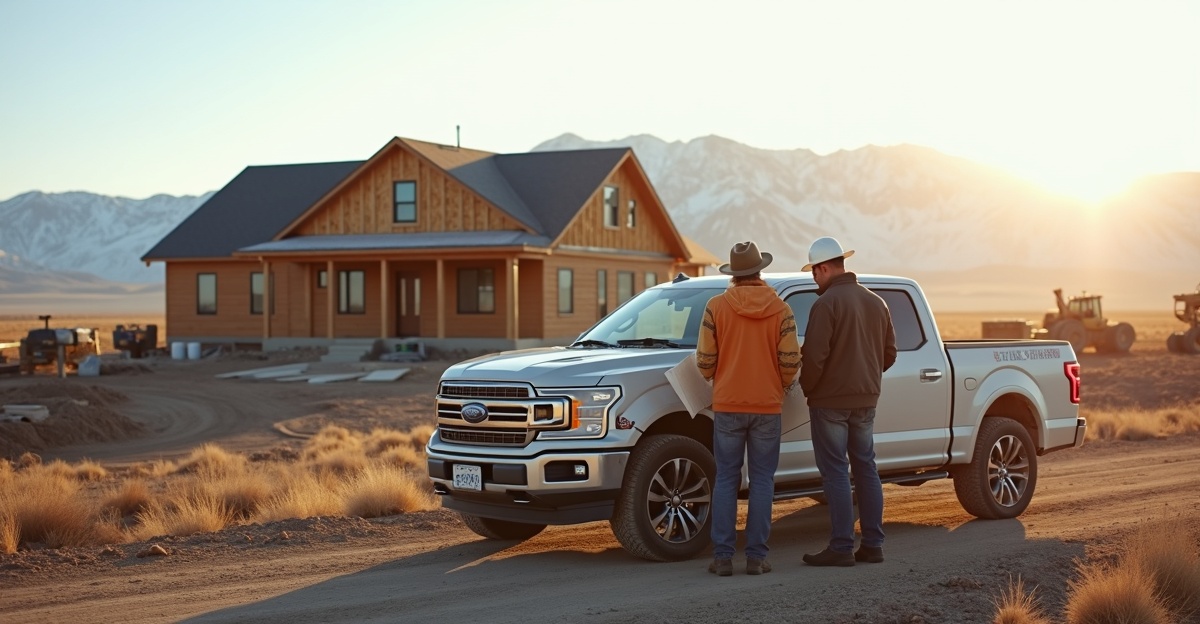
Understanding how much it costs to build a custom home in Eastern Idaho requires a clear custom home building cost breakdown that reflects current price-per-square-foot ranges, site conditions, and finish levels. We see most projects in the Idaho Falls area fall between the low-to-mid $200s and $400+ per square foot. Total investment depends on land preparation, construction quality, mechanical systems, and interior selections.
Key Takeaways
- In Eastern Idaho, we typically see custom homes range from the low-to-mid $200s to $400+ per square foot, based on size, finishes, and overall complexity.
- Land purchase, excavation, septic or well systems, and utility trenching can significantly increase the total budget, especially on rural lots where infrastructure is limited.
- Core construction costs include frost-depth foundations, framing, exterior systems, and properly sized HVAC, plumbing, and electrical systems that meet local codes and long-term performance standards.
- Interior finishes such as cabinetry, flooring, windows, and fixtures drive a large share of the budget and heavily influence the final price per square foot.
- We recommend carrying a 5–10% contingency and completing detailed planning early to manage unexpected site conditions and avoid budget overruns during construction.
What You Can Expect to Invest in Eastern Idaho
Building a custom home in Eastern Idaho requires clear numbers and realistic expectations. A practical custom home building cost breakdown in the Idaho Falls area helps set the right budget before plans are finalized.
For most projects in Idaho Falls and surrounding communities, the custom home price per square foot Idaho builders see today typically falls in the low-to-mid $200s up to $400+ per square foot. The final investment depends on finish level, home size, layout complexity, and site conditions. This is a planning range, not a fixed bid.
To put that into context:
- A 2,500-square-foot home at a mid-level finish, priced between $275–$325 per square foot, typically lands around $687,500–$812,500.
- A 2,500-square-foot home with higher-end finishes, priced at $350–$425+ per square foot, typically ranges from about $875,000–$1,062,500+.
Those figures generally do not include land purchase, specialty outbuildings, detached shops, or extensive landscaping unless specifically included in the scope.
Local conditions heavily influence the custom home cost Idaho Falls homeowners experience. According to Idaho residential frost depth foundation requirements, frost depth requirements demand deeper foundations. Soil conditions can require over-excavation and soil compaction practices recommended in geotechnical engineering, or additional compaction. Rural properties often need septic systems, wells, and long utility trenching. Winter weather affects scheduling and jobsite protection. All of these factors affect the overall cost to build a home in Eastern Idaho.
Anyone considering whether to build or purchase should weigh long-term value and customization carefully. We often discuss that comparison in detail when homeowners review their options between new construction and existing homes.
Where Your Budget Goes: Major Cost Categories Explained
Land, Site Work, and Pre-Construction
Land and site development often create the first big variables in a project budget.
Land preparation costs Idaho builders see frequently include excavation, grading, soil correction, drainage work, septic systems for rural sites, and trenching for water and power. Site work costs custom home projects can rise quickly if a lot has slope challenges, limited access, high groundwater, or poor soil.
Pre-construction is another major investment. Custom home design and engineering costs often include:
- Architectural plans
- Structural engineering
- Energy calculations
- Surveys
- Soil testing
Investing in thorough design work reduces change orders later. Clear plans lead to accurate pricing and smoother construction. Skipping this step often results in mid-project revisions that cost more than proper planning upfront.
Permits also add to the total. According to Idaho Falls residential building permit requirements, home building permits in Idaho Falls and Bonneville County typically involve plan review fees, impact fees, and utility hook-up fees. These are smaller compared to the overall build, but they must be included in any accurate custom home building cost breakdown.
Core Construction and Finishes
The main construction phases account for the majority of the budget.
Foundation work in Eastern Idaho requires attention to frost depth. Deeper footings and proper insulation are critical. Framing follows, which shapes the home’s structure and roof system. For homeowners who want to understand this phase in more detail, we outline it in our structural framing services overview and discuss related pricing considerations in our breakdown of what it costs to frame a house.
Exterior systems include roofing, siding, windows, and exterior doors. Window quality and exterior materials can significantly shift the cost factors in custom home construction.
Mechanical systems are especially important in our climate. HVAC must be sized for cold winters. Plumbing and electrical systems must meet both code and long-term performance expectations.
Interior finishes are where budgets often swing the most. Cabinets, countertops, flooring, tile, trim, and paint all vary widely in price. Stock cabinetry costs far less than fully custom cabinetry. Luxury flooring and detailed tile work add labor and material expense. These selections directly affect the custom home price per square foot Idaho homeowners end up paying.
Most projects also include a garage, driveway, and basic landscaping. Concrete flatwork, final grading, and hydroseeding or simple frontage landscaping are commonly built into the base scope. Larger landscaping plans require additional budgeting.
Finally, every well-planned project should carry a contingency. We recommend a custom home contingency budget of 5–10%, depending on complexity and site conditions. This buffer supports strong new home construction budget planning and protects against unexpected conditions without financial strain.
For homeowners who want to understand how these phases fit together, we outline the full process in our overview of the steps to building a new home.
The Biggest Factors That Drive Price Up or Down
Several clear cost factors in custom home construction consistently move the budget.
Home size is first. A larger footprint increases materials, labor, and foundation costs. At the same time, compact and efficient layouts often control the cost to build a home in Eastern Idaho more effectively without sacrificing comfort.
Layout complexity comes next. Multiple rooflines, vaulted ceilings, tall walls, and complex foundations require more labor and engineering. Simple, well-proportioned designs generally build more efficiently.
Finish level has a direct impact on price. Cabinet selection, flooring material, window quality, and fixture upgrades all increase cost. Upgrading from standard to high-performance windows alone can shift the total investment significantly.
Lot location and access matter. In-town lots with nearby utilities typically reduce infrastructure costs. Rural properties may require wells, septic systems, and long utility runs. Remote sites can also present winter access challenges and staging constraints.
Timeline also plays a role. Expedited schedules may increase coordination costs. Material selections that require long lead times can delay completion and affect labor scheduling. We outline typical project durations in our discussion of how long it takes to build a custom home.
Each of these elements plays a practical role in shaping the overall custom home cost Idaho Falls homeowners experience. Clear decisions early in design help keep the project aligned with the target investment.
Common Budget Surprises and How to Prevent Them
Unexpected issues typically come from a few predictable areas.
- Unknown soil or drainage problems can increase land preparation costs Idaho projects sometimes overlook at the start. A proper geotechnical review reduces this risk.
- Soft costs such as surveys, engineering updates, and permit revisions can add up if they aren’t itemized early.
- Mid-project upgrades on flooring, cabinetry, or exterior materials often result in higher costs and delays.
- Utility connection fees in Idaho Falls and surrounding communities should be confirmed before construction begins, especially for rural properties.
Structured project management makes a clear difference. Transparent bidding, defined allowances, and regular cost reporting help prevent surprises.
We recommend three practical steps:
- Set a realistic budget range before finalizing plans.
- Carry a 5–10% contingency to absorb unknowns.
- Make major finish selections early to avoid allowance overages.
Careful planning provides stability and keeps the cost to build a home in Eastern Idaho aligned with expectations.
How to Prepare for a Builder Consultation in Idaho Falls
Preparation leads to a productive first meeting.
Bring lot information, including the address, plat map, and any known utility details. Share inspiration photos and a prioritized list of must-have and nice-to-have features. Define a target investment range based on early custom home building cost breakdown research.
Financing should be underway before final design moves too far. Pre-approval or an initial conversation with a lender keeps planning grounded.
It also helps to ask direct questions about experience with similar projects, communication methods, and cost tracking systems. Understanding what’s included in general contracting services clarifies responsibilities from the start.
Build timelines in Eastern Idaho often range from 8–12+ months depending on size, scope, and season. Scheduling discussions early, including the best time of year to start building, allow for better coordination.
We encourage homeowners to schedule a straightforward planning conversation through our contact page. During that meeting, we review goals, lot conditions, and a realistic budget range. The focus stays on practical planning and clear numbers so the project starts on solid ground.
Frequently Asked Questions
A custom home building cost breakdown includes all major expenses required to complete the project. This typically covers land preparation, excavation, foundation work, framing, roofing, exterior systems, HVAC, plumbing, electrical, and interior finishes. It may also include architectural design, engineering, permits, and utility connections. Reviewing each category helps homeowners understand where their budget is allocated before construction begins.
The cost to build a custom home in Eastern Idaho commonly ranges from the low-to-mid $200s to $400+ per square foot. The final price depends on home size, finish level, structural complexity, and site conditions. Projects with higher-end materials, complex layouts, or challenging land preparation typically land toward the higher end of that range.
Site conditions affect costs because the land must be properly prepared before building begins. Sloped lots, poor soil, high groundwater, or limited access may require additional excavation, grading, drainage work, or soil stabilization. Rural properties may also need wells, septic systems, and long utility trenching, all of which increase the overall custom home building budget.
Most builders recommend setting aside a 5–10% contingency when planning a custom home project. This budget buffer helps cover unexpected issues such as soil corrections, design adjustments, or material price changes. Having a contingency protects the overall project budget and allows construction to continue smoothly if unforeseen conditions arise.
Several factors can raise the price per square foot for a custom home, including complex floor plans, vaulted ceilings, large window packages, and higher-end interior finishes. Upgraded cabinetry, premium flooring, and custom tile work also add cost. In addition, rural lot infrastructure such as wells, septic systems, and extended utility lines can significantly increase the total project investment.